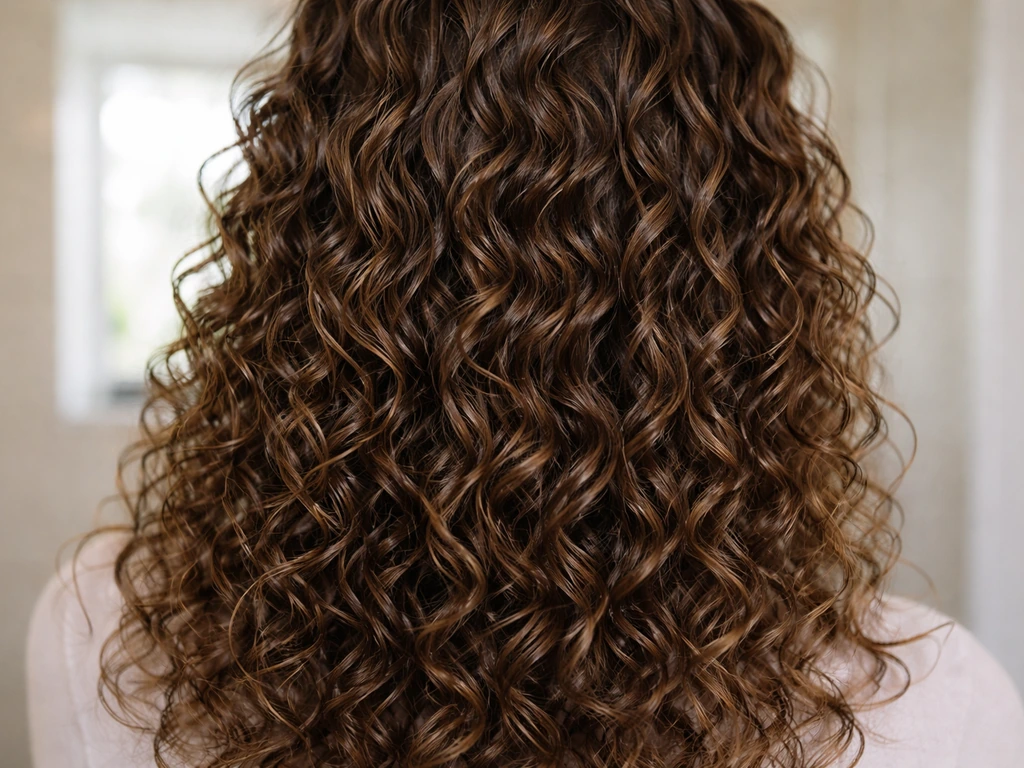
Yes, curly hair can absolutely grow long. The follicle itself grows hair at roughly the same rate regardless of curl pattern, somewhere between 0.3 and 0.5 mm per day, which works out to about half an inch to just over half an inch per month. The reason curly and coily hair so often stays short has almost nothing to do with the root and everything to do with what happens to the hair after it leaves the scalp: shrinkage, dryness, and breakage eat up the growth before you ever get to see it. Fix those three things and length follows.
Can Curly Hair Grow Long? Steps to Maximize Length Retention

Simone Okonkwo
28 Jun 2026
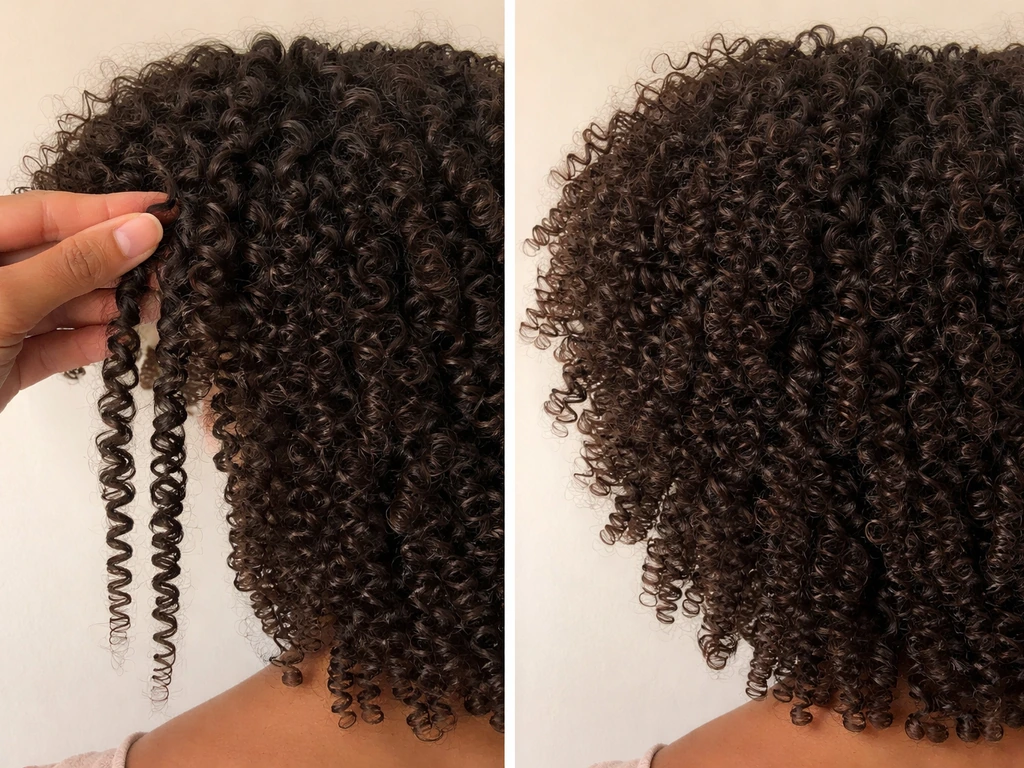
Growth vs. shrinkage: what's actually happening at your roots
Your hair is growing right now. Dermatology research consistently puts scalp hair growth at roughly 1 cm per month on average, with some studies citing figures closer to 1. That average aligns with published clinical information that human scalp hair grows at about 0.3 mm per day, or about 1 cm per month during anagen blank" rel="noopener noreferrer">Dermatology research consistently puts scalp hair growth at roughly 1 cm per month on average. ScienceDirect Topics summarizes that an often-cited average rate for human scalp hair growth is about 1.3 cm per month (~0.44 mm/day) blank" rel="noopener noreferrer">Dermatology research consistently puts scalp hair growth at roughly 1 cm per month on average. 3 cm and others landing at around 0.5 mm per day at the crown. That comes out to roughly 4 to 6 inches per year of real growth at the root level, regardless of whether your hair is straight, wavy, or tightly coiled. Curl pattern does not change the biology of the follicle. A 4C curl pattern grows from the same type of follicle structure as a loose wave, it just grows at a slight angle, which gives the strand its helical shape.
The confusion starts because curly hair doesn't hang down in a straight line. If you grow your hair out, that same curl and shrinkage pattern still affects how long it looks, even while new strands are lengthening from the root curly hair doesn't hang down in a straight line. A coil wraps back on itself, so a strand that is actually 6 inches long might appear to sit 2 to 3 inches from the scalp. That gap between actual length and visible length is shrinkage, and for tightly coiled hair it can be as dramatic as 50 to 75 percent. This is why measuring growth by looking in a mirror is unreliable. You can be growing perfectly fine and feel like nothing is happening. It's one of the most demoralizing things about caring for coily hair, and it leads a lot of people to give up routines that are actually working.
How to actually measure your length: what shrinkage hides
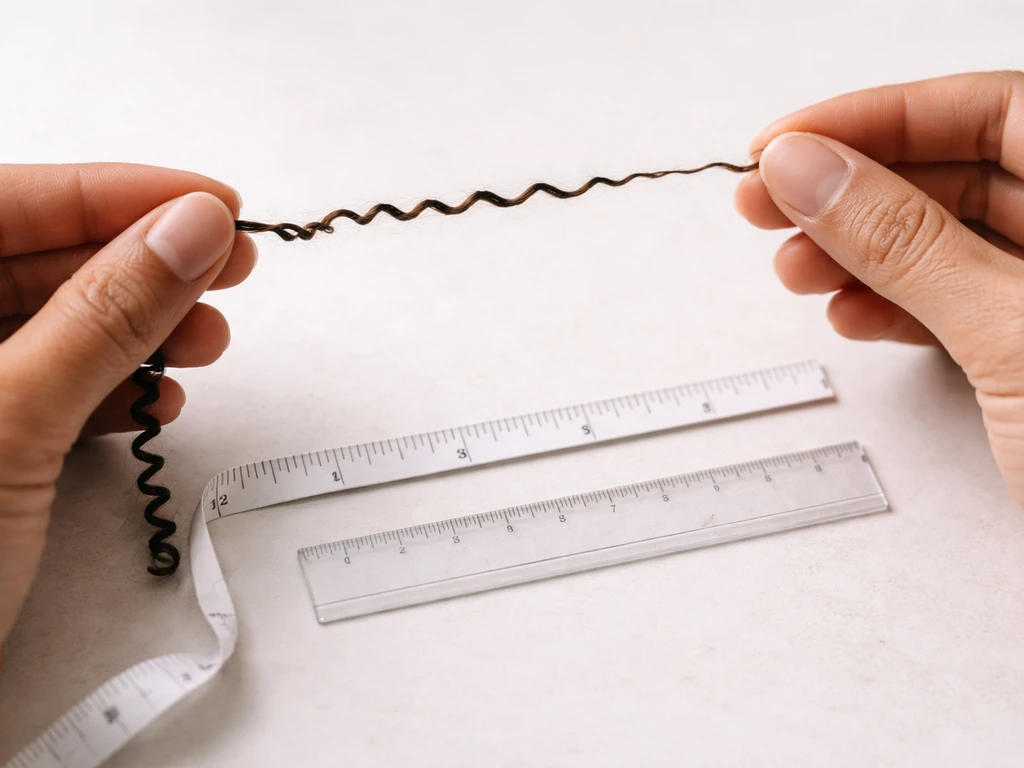
The only accurate way to track length on curly or coily hair is to measure a single stretched strand, not your hair as it sits dry and shrunken. Take a section from a consistent spot, the nape or crown works well, gently stretch it without pulling hard enough to snap it, and measure against a ruler or tape. Take a photo at the same time. Do this once a month. You will almost certainly see growth that you were not noticing before.
Your curl pattern also affects what "long" looks and feels like. A loose 3A curl will show length much more visibly than a 4C coil at the same actual measurement. That doesn't mean 4C hair is growing less. It means your frame of reference needs to shift. Set goals in inches of stretched length, not in what you see in the mirror when your hair is fully shrunken. That mental reframe alone saves a lot of people from abandoning routines that are genuinely working.
It's also worth knowing that hair growth naturally slows with age and varies by individual genetics. Some people grow 4 inches a year, others grow 7. Genetics set your ceiling. Your routine determines how close you get to it.
The real reason curly hair stays short: breakage, dryness, and traction
Curly hair has one structural disadvantage compared to straight hair: because it bends and coils, the natural oils produced by the scalp have a much harder time traveling down the entire length of the strand. Straight hair gets that sebum distributed relatively easily. Coily hair barely gets it past the first inch or two. The result is that the ends of curly hair are almost always the driest part of the strand, and dry hair is brittle hair that snaps. This is not a curl-type problem or a race-based problem. It is a geometry problem, and it has solutions.
Traction is the second major culprit. Tight braids, heavy extensions, high-tension ponytails, and styles that pull consistently at the hairline cause physical stress on the follicle. Over time this can lead to traction alopecia, a form of hair loss that starts at the edges and temples and can become permanent if the traction isn't removed early enough. You don't have to avoid protective styles. You have to avoid protective styles done too tight or worn too long.
Chemical damage from relaxers, color, and bleach weakens the hair shaft by breaking down the disulfide bonds that give hair its structural integrity. Heat damage has a similar effect. Once a strand is damaged, it doesn't repair itself. It will eventually break. This is why people who relax or color-treat their hair without a careful maintenance routine often find that their length stays stagnant: the root is growing, but the ends are snapping off at roughly the same rate.
The length-retention routine that actually works
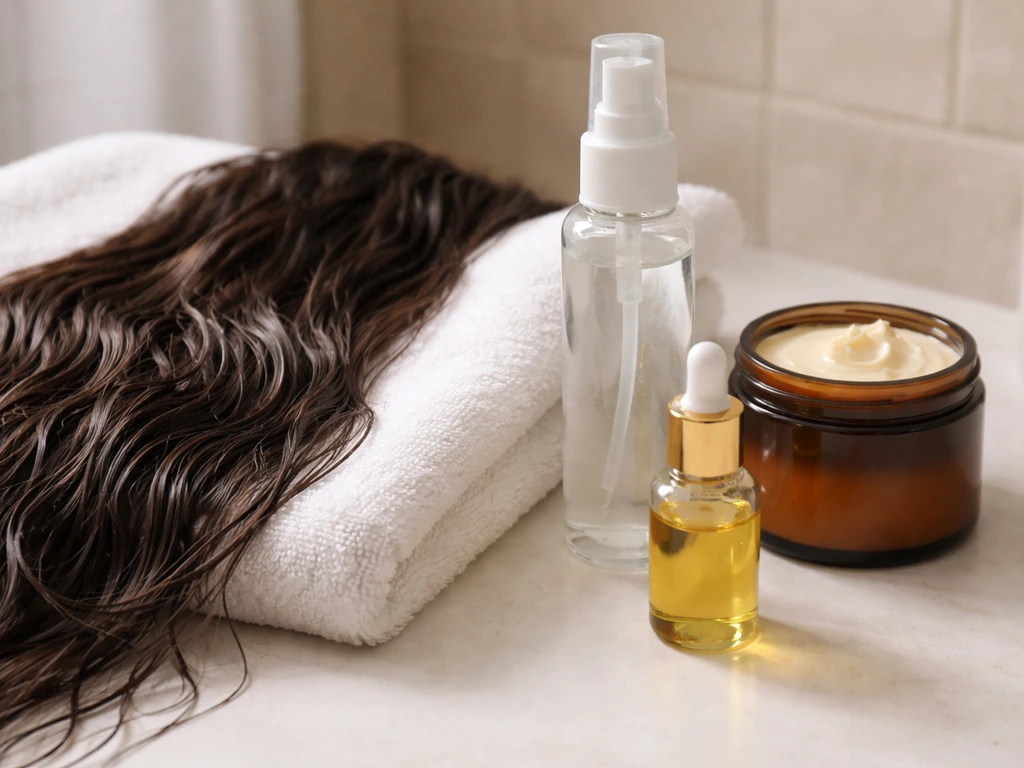
A good retention routine is not complicated, but it needs to be consistent. The goal is to keep hair moisturized from root to tip, minimize mechanical stress during manipulation, and protect the ends (the oldest, most fragile part of the strand) from dryness and friction. Here is how to build that routine.
Wash day
Wash once a week to once every two weeks depending on your scalp. If you have a dry scalp or fine strands, every 10 to 14 days is often enough. If you have buildup from heavy products or exercise regularly, weekly works better. Use a sulfate-free or gentle sulfate shampoo. Sulfate-heavy formulas strip moisture aggressively from already-dry curly hair. Always follow with a conditioner, and if your hair is thick or coily, a deep conditioner left on for 15 to 30 minutes makes a real difference in softness and elasticity.
Detangling
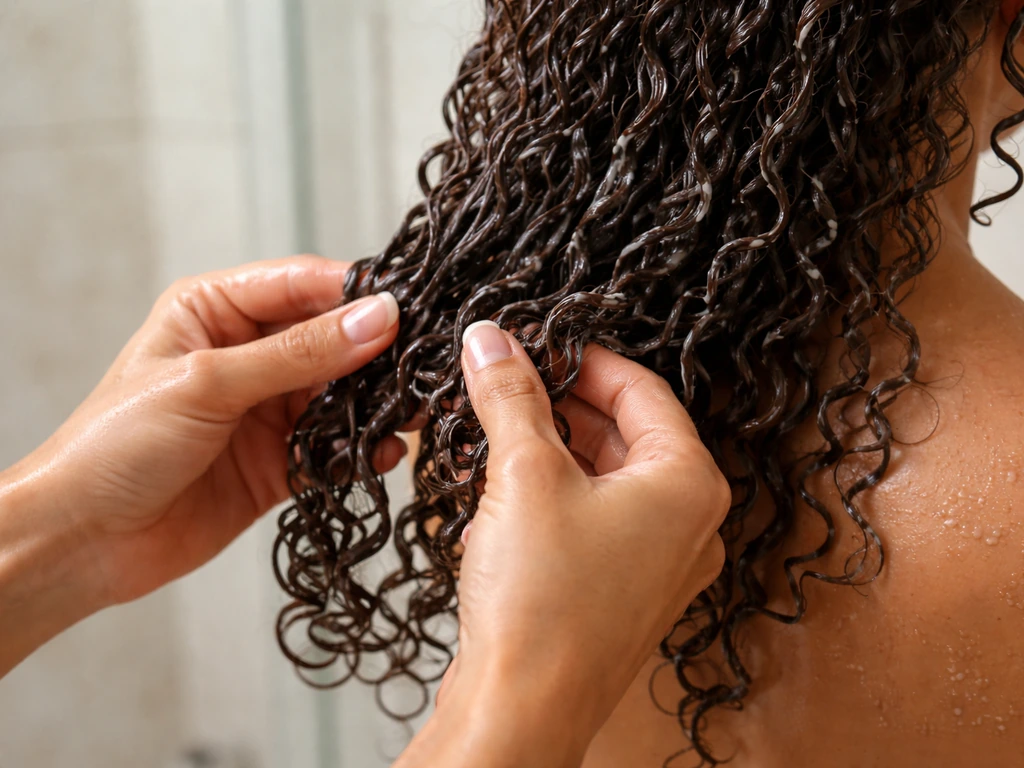
Detangle only on wet, conditioner-saturated hair. Dry detangling on curly or coily hair causes breakage. Work in sections, start from the ends and work upward toward the root, and use a wide-tooth comb or your fingers. Finger detangling is gentler and gives you more feedback about knots before you rip through them. Rushing detangling is one of the most common causes of breakage that people never connect to their length issues.
Moisturize and seal
After washing, apply a leave-in conditioner to damp hair, then follow with a cream or butter to lock in that moisture, and finish with a light oil to seal the outer layer of the strand. This is the LOC or LCO method (liquid, oil, cream in one order or liquid, cream, oil in another). The specific order matters less than doing all three steps consistently. Pay special attention to your ends. They need the most moisture because they are the oldest part of the strand and get the least natural oil.
Between wash days, refresh dry sections with a water-based spritz and a small amount of your cream or oil. You should not need to fully re-wet your hair every day, but keeping ends from drying out completely is worth two minutes of attention every few days.
Protect at night
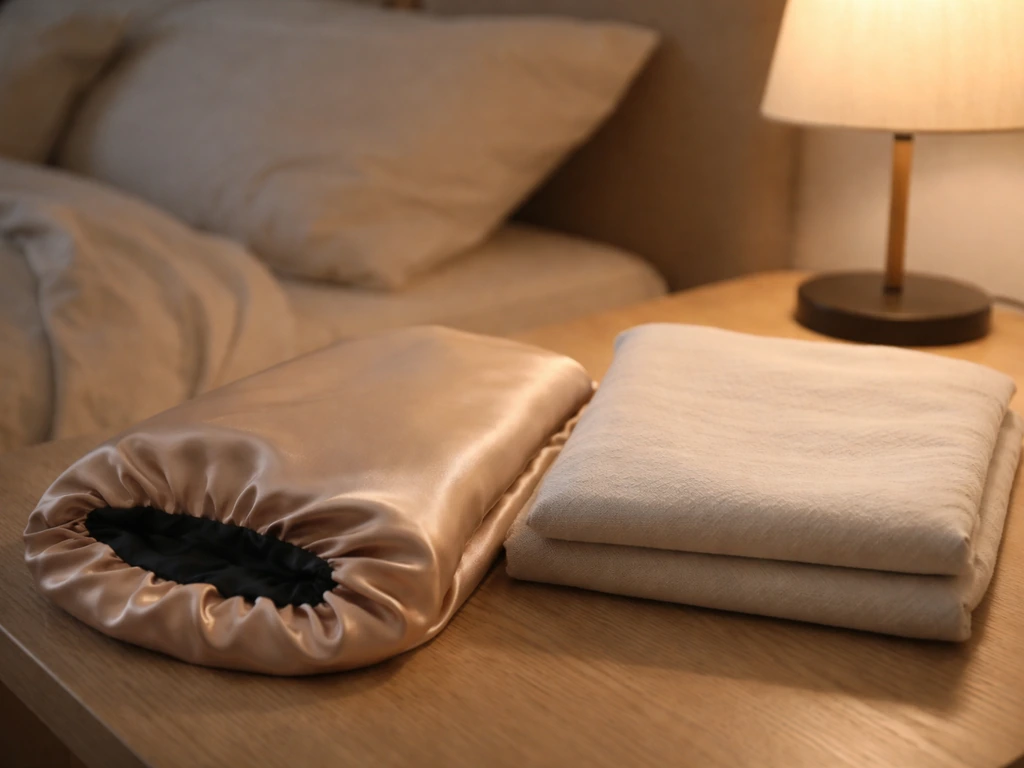
Cotton pillowcases absorb moisture from hair and create friction that causes breakage and frizz. Switch to a satin or silk pillowcase, or sleep with your hair in a satin-lined bonnet or scarf. This one change protects your ends every single night and costs almost nothing.
Protective styles: what they can do, what they can't, and common mistakes
Protective styles like braids, twists, locs, and weaves can be genuinely useful for length retention because they tuck your ends away, reduce daily manipulation, and minimize friction on the strand. They do not make hair grow faster. The follicle doesn't care whether it's braided or loose. What protective styles can do is reduce breakage during the weeks or months the style is in, so the growth that was already happening shows up as retained length when you take the style down.
Braids and twists
Box braids, cornrows, two-strand twists, and similar styles are excellent for retention when done at a comfortable tension. The most common mistake is installing them too tight, especially at the hairline. If your scalp is visibly pulling or you have headaches after installation, the style is too tight and needs to be redone or loosened immediately. Leave braids and twists in for 4 to 8 weeks maximum. Longer than that and your shed hairs (the roughly 100 per day that fall naturally) tangle into the style and cause matting and breakage when you remove it. Moisturize your scalp and any exposed hair weekly while the style is in.
Locs
Locs are a long-term commitment and a legitimate path to retaining length, since once hair is locked it isn't being manipulated or detangled. Many people with locs grow significant length over years. The risk is at the root during retwisting: over-twisting or twisting too frequently thins the loc base and can cause breakage at the root junction. Retwist only when needed, not on a rigid schedule, and avoid heavy product buildup which causes odor and weakens the strand.
Weaves and extensions
Sew-in weaves and clip-ins can be great protective options if installed with appropriate tension and removed carefully. The danger zone is the leave-out, the natural hair left out around the perimeter that often gets heat-styled to blend with the extensions. That leave-out takes repeated heat and tension damage while the rest of the hair is protected, which creates an uneven pattern of breakage. If you use a sew-in, keep the leave-out moisturized, minimize heat on it, and give your natural hair a full break between installs.
Taking protective styles down
Removal is when most breakage actually happens. Never dry-remove braids or twists. Spray the hair and style with a detangling spray or diluted conditioner first to soften shed hairs and reduce friction. Cut extension hair away from your natural hair carefully before unraveling. Work slowly and detangle each section before moving to the next.
Products and ingredients: moisture vs. protein (and why you need both)
There's a persistent idea that curly hair just needs moisture, or alternatively that protein is the fix for everything. The reality is that healthy hair needs a balance of both. Moisture (from water-based products, humectants like glycerin and aloe, and emollients like shea butter) keeps the strand flexible and less prone to breakage. Protein (from hydrolyzed keratin, silk protein, rice water, or protein-based treatments) reinforces the structure of the hair shaft and helps with elasticity. Too much moisture without protein produces mushy, weak hair. Too much protein without moisture produces stiff, brittle hair that snaps.
A practical way to think about it: if your hair feels soft but stretches and doesn't spring back, you likely need more protein. If your hair feels hard, straw-like, or snaps immediately when you stretch it, you likely need more moisture. Do a protein treatment once a month or every 4 to 6 weeks if your hair is chemically processed or heat-damaged. If your hair is healthy and unprocessed, you may need protein treatments far less often, more like every 8 to 12 weeks.
| Ingredient type | Examples | What it does | How often to use |
|---|---|---|---|
| Humectant | Glycerin, aloe vera, panthenol | Draws moisture into the hair shaft | Every wash day |
| Emollient/butter | Shea butter, mango butter, avocado oil | Softens and smooths the cuticle | Every wash day as sealant |
| Protein | Hydrolyzed keratin, rice protein, silk amino acids | Strengthens and reinforces hair structure | Monthly or every 4 to 6 weeks |
| Sealant oil | Jamaican black castor oil, jojoba, argan oil | Locks in moisture and reduces breakage | After moisturizing, every few days |
| Scalp treatment | Tea tree oil (diluted), peppermint oil (diluted), salicylic acid | Addresses buildup, dryness, or inflammation | As needed, not daily |
Heat, chemicals, and scalp health: what to minimize and how to protect
Heat straightening is not inherently forbidden if you want long curly hair, but high heat (above 400 degrees Fahrenheit) used without a thermal protectant, or used very frequently, causes cumulative damage that permanently alters the curl pattern and weakens the shaft. If you use heat, apply a heat protectant every single time, use the lowest temperature that achieves the result you want, and limit it to once a month at most. If you're seeing sections of your hair that no longer curl after washing, those sections have heat damage and will need to grow out.
Relaxers chemically break and re-form the hair's internal bonds to straighten it permanently. Relaxers can change the curl texture you see, but they do not change how fast the follicle grows new hair does permed hair grow curly. This fundamentally changes how that hair behaves and how fragile it is. Relaxed hair can absolutely grow long, but it requires consistent deep conditioning, protein treatments, and very careful handling because the structural bonds have been altered. If you are transitioning from relaxed to natural, the line where relaxed hair meets new growth is the most fragile point on every strand and needs extra care during detangling and styling.
Scalp health is probably the most under-discussed part of growing longer hair. The follicle lives in your scalp. If your scalp is chronically inflamed, flaky, clogged with product buildup, or under stress from tight styles, it cannot produce hair optimally. Keep your scalp clean, avoid layering heavy products directly onto it, and pay attention to persistent symptoms. Dandruff, seborrheic dermatitis, and folliculitis are all treatable conditions that, if left unaddressed, can impact growth over time. A clean, healthy scalp is the foundation for everything else.
Your 30 to 90 day plan: start here, track this, know when to get help
You don't need a total overhaul on day one. Start with the highest-impact changes and build from there.
- Week 1: Take a baseline measurement. Stretch a section of hair from the same spot (nape or crown), measure it, take a photo, and write down the date. This is your starting point.
- Week 1: Switch to a satin or silk pillowcase or start using a satin bonnet every night. This is the easiest retention change you can make.
- Week 1 to 2: Establish a wash-day routine using a gentle shampoo, deep conditioner, leave-in, cream, and sealing oil. Do this once a week or every 10 days and stick to it.
- Week 2: Audit your current styles. If anything is pulling at your hairline or causing scalp tenderness, remove or loosen it. Give your edges a break from tight styles for at least four weeks.
- Week 3 to 4: Do a protein treatment if your hair feels mushy or stretchy, or a deep moisture treatment if it feels brittle. Assess the result after one wash cycle.
- Month 2: Install a protective style if you want (braids, twists, or a low-manipulation style), but make sure it is at a comfortable tension. Continue to moisturize your scalp weekly.
- Month 2 to 3: Take your second measurement using the same method as week one. Compare. You should see growth in the stretched measurement even if your shrinkage looks identical in the mirror.
- Month 3: Evaluate your ends. If they feel rough or look split, get a small trim (a quarter inch to half an inch). Keeping split ends causes them to travel up the strand and create more breakage.
- Ongoing: Repeat the measurement monthly, keep a simple log, and adjust your routine based on what you observe.
When to see a professional
If you are shedding significantly more than 100 hairs a day, noticing bald patches or thinning in specific areas, experiencing scalp pain or persistent irritation, or seeing no new growth at all after 90 days of a consistent routine, see a dermatologist. Not a stylist, a dermatologist or trichologist. Excessive shedding can be caused by thyroid issues, iron deficiency, hormonal shifts, alopecia areata, or scalp conditions that no product routine can fix. Getting a blood panel and a professional scalp evaluation will give you real answers faster than changing products repeatedly. Hair loss that has a medical cause is treated medically, and catching it early makes a significant difference in outcome.
Curly hair growing long is not a miracle or an exception. It is a straightforward outcome of consistent moisture, minimal mechanical damage, reasonable tension in any styles you wear, and a healthy scalp underneath all of it. The biology is on your side. The growth is already happening. The job of your routine is simply to keep it. That means even if you ask, “when you get a perm does your hair grow curly,” the real answer is that your follicles still grow hair based on biology, while the perm mostly changes the curl shape of new growth.
FAQ
If curly hair grows at the same rate, why does my length seem to stop?
Most “stagnant” length is breakage at the ends or mis-measured growth due to shrinkage. Track stretched length once a month, and also look for split ends, roughness, and shedding clusters after detangling or styling. If shedding is far higher than normal, or you see thinning patches, address scalp or medical causes rather than only changing products.
What’s the best way to measure progress without getting tricked by shrinkage?
Measure one consistent strand that has been gently stretched but not pulled hard enough to snap. Use the same spot each time (crown or nape), the same method (wet with conditioner or just after washing), and take a photo with the same lighting and background. This reduces day-to-day variation from dryness and styling.
Should I aim for “visible” length or “stretched” length when setting goals?
Use inches of stretched length for goals. Visible length can vary dramatically by curl tightness and how much your hair is shrunken that day, so focusing on what you see in the mirror often makes you think you are behind even when you are not.
How often should I wash if I’m trying to grow long, but my scalp gets oily?
Choose frequency based on your scalp, not just your hair texture. If your scalp gets buildup or feels greasy quickly (for example, after workouts), washing weekly can be better than waiting two weeks, because product and oil buildup can interfere with a healthy scalp environment. Keep conditioner focused on hair lengths and ends.
Is detangling on dry hair ever okay for curly hair growth?
Generally no, detangling on dry curly or coily hair is a common breakage trigger because curls knot tighter as they dry. Detangle only when hair is wet and saturated with conditioner or a slip-rich detangling product, work in sections, and stop and re-saturate if a knot resists.
How do I know whether I need more protein or more moisture?
Use a simple “feel and rebound” check. If hair feels soft but stretches a lot without springing back, it often needs more protein. If hair feels hard, straw-like, or snaps quickly when stretched, it often needs more moisture. Rebalance gradually, and avoid adding protein if your hair is already elastic and resilient.
Can I use heat and still grow curly hair long?
Yes, but be disciplined. Use heat protectant every time, keep the temperature as low as possible to get your result, and limit frequency. Watch for lasting changes in curl pattern after washing, if a section stops curling the same way, that’s a sign of damage and that area needs protection and time to grow out.
Will relaxing my hair or perming it affect how fast it grows?
New hair growth speed is not changed by relaxers or perms. What changes is the curl shape and, more importantly, how fragile the hair becomes because bonds are chemically altered. If you relax or perm, retention depends heavily on consistent deep conditioning, protein balancing, and extra care at the relaxed-to-new-growth boundary.
I wear protective styles, but my hair still isn’t getting longer. What’s usually wrong?
Two common issues are excessive tension and long wear beyond the recommended window. If you get headaches, notice visible pulling at the hairline, or see edge thinning, the style is too tight. Also, keep protective styles within roughly 4 to 8 weeks for many braids and twists, because shed hairs can tangle and increase breakage at removal.
How long should protective styles like braids or twists stay in my hair?
A practical guideline is 4 to 8 weeks maximum, depending on your hair density and how well your shed hair is managed. If you notice matting, tangling, or increasing difficulty detangling at removal, take them down sooner. Always moisturize exposed hair and scalp during the style period.
Does sleeping on satin or silk really make a difference for length retention?
It often does because cotton absorbs moisture and creates friction that worsens frizz and end breakage. Satin or silk reduces rubbing, helping the ends stay smoother and less brittle between wash days. If you wear a bonnet or scarf, make sure it fits securely so your hair doesn’t shift and tangle during the night.
How can I prevent breakage when removing braids, twists, or extensions?
The biggest mistake is dry removal. Soften shed hairs first with a detangling spray or diluted conditioner, then work slowly section by section. Cut extension hair away carefully before unraveling, and detangle each section as you go rather than ripping through tangles.
When should I suspect a health issue instead of a hair routine problem?
If you have significantly more shedding than the typical daily range, bald patches, noticeable thinning in specific areas, scalp pain, or persistent irritation, don’t keep experimenting with products. If you see no meaningful new growth after around 90 days of consistent care, or you have symptoms like itching and flaking that do not improve, see a dermatologist or trichologist for evaluation.
Next Article
When You Get a Perm, Does Your Hair Grow Curly?
How a perm works, whether new roots stay curly, and how damage and breakage can affect curl growth over time.