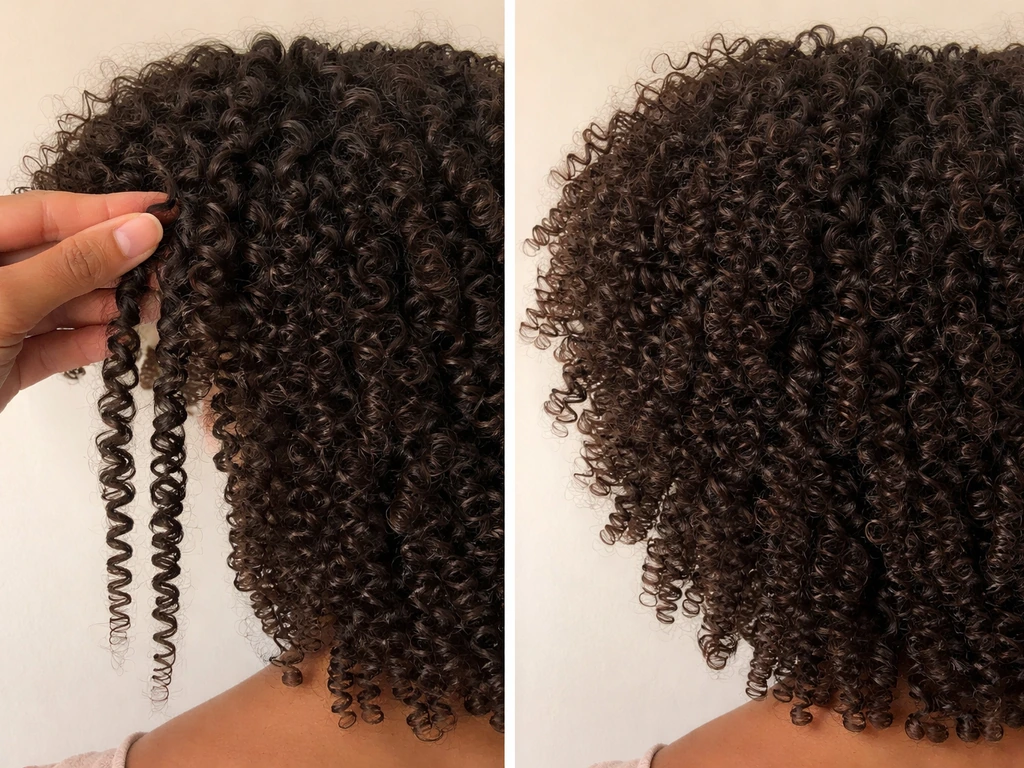
A perm curls the hair you already have. It does not change the way your hair grows from the scalp. New hair coming in after a perm will follow your natural follicle-driven texture, not the curled pattern the chemicals created. So permed hair does not 'grow curly' in the sense that your growth pattern has changed. What you get instead is a line of demarcation: chemically curled mid-lengths and ends, with your natural texture growing in at the roots. Over time, that gap gets wider until the permed portion is either cut off or grown out entirely.
Does Permed Hair Grow Curly as It Grows Out?

Simone Okonkwo
3 Jul 2026
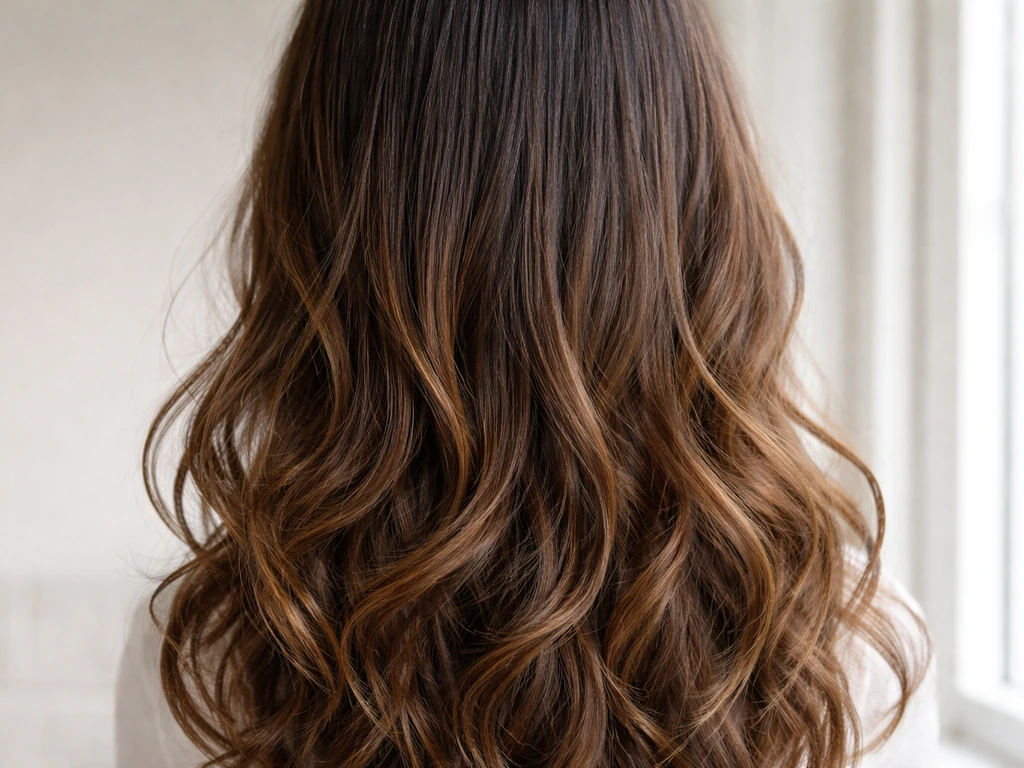
What a perm actually does to your hair
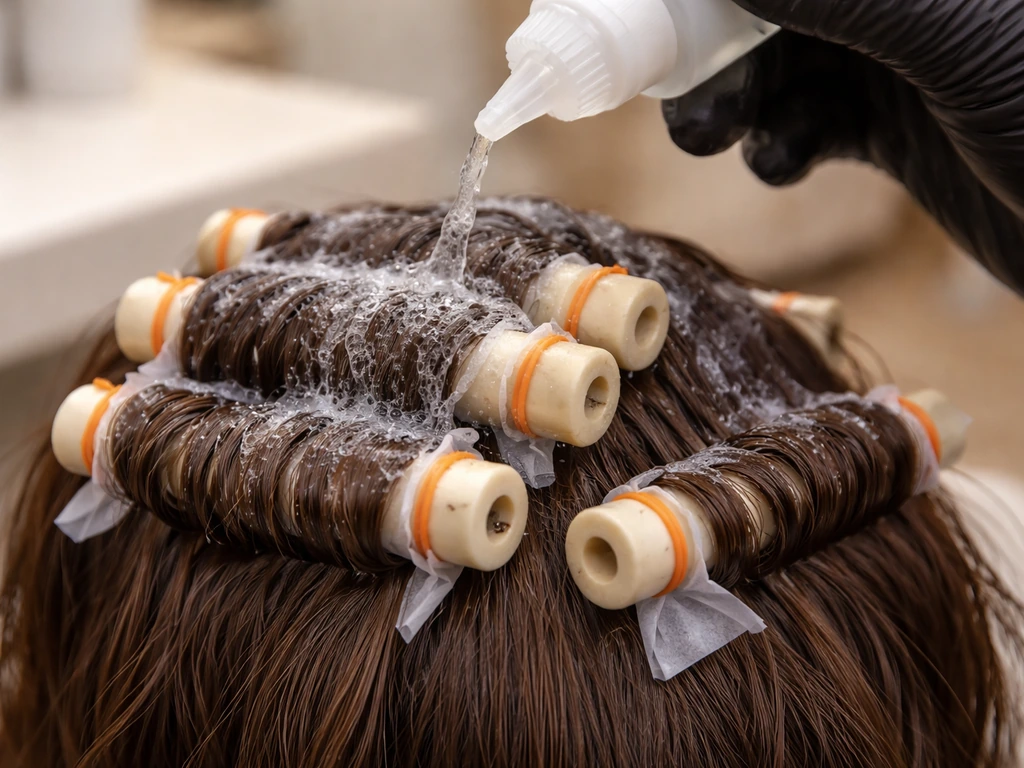
To understand why a perm does not affect growth, you need to know what it actually changes. A perm uses a reducing agent, most commonly ammonium thioglycolate (ATG), to break the disulfide bonds in your hair's cortex. These are the sulfur-to-sulfur cross-links that hold the protein structure of your hair in its natural shape. Once those bonds are broken, the hair becomes pliable, and it gets wrapped around rods. A neutralizer (usually hydrogen peroxide) then re-forms those disulfide bonds in the new curled configuration. The curl is now baked into the structure of those specific strands.
Here is the critical part: all of this chemistry happens on hair that has already grown out of your scalp. Your follicle, the structure under the skin that produces hair, is not touched by perm chemistry in any meaningful way. Curl pattern originates at the follicle level, driven by the shape of the follicle itself and the biomechanics of the mature shaft. A perm reshapes strands that have already emerged. It cannot reprogram how the follicle builds new ones.
Does a perm make hair grow faster or just look curlier?
It only makes the treated hair look curlier. Your growth rate is controlled entirely by biology. Hair grows at roughly 0.35 mm per day, which works out to about half an inch per month. That rate is set by your hair growth cycle (anagen, catagen, telogen phases) and things like nutrition, health, and genetics. Ammonium thioglycolate does not interact with any of those factors. You are not getting more growth from a perm. You are getting the same growth you always had, just with curled ends until those grow out.
This is one of the more persistent myths in hair care, and it makes sense why people believe it. When you first get a perm, your hair looks noticeably curlier and sometimes appears fuller or more voluminous. But that is an optical effect, partly from the curl formation and partly from shrinkage. Curl shrinkage makes strands appear shorter than they actually are, which can create the impression that something dramatic changed. Growth rate stayed the same.
How permed curls actually grow out over time
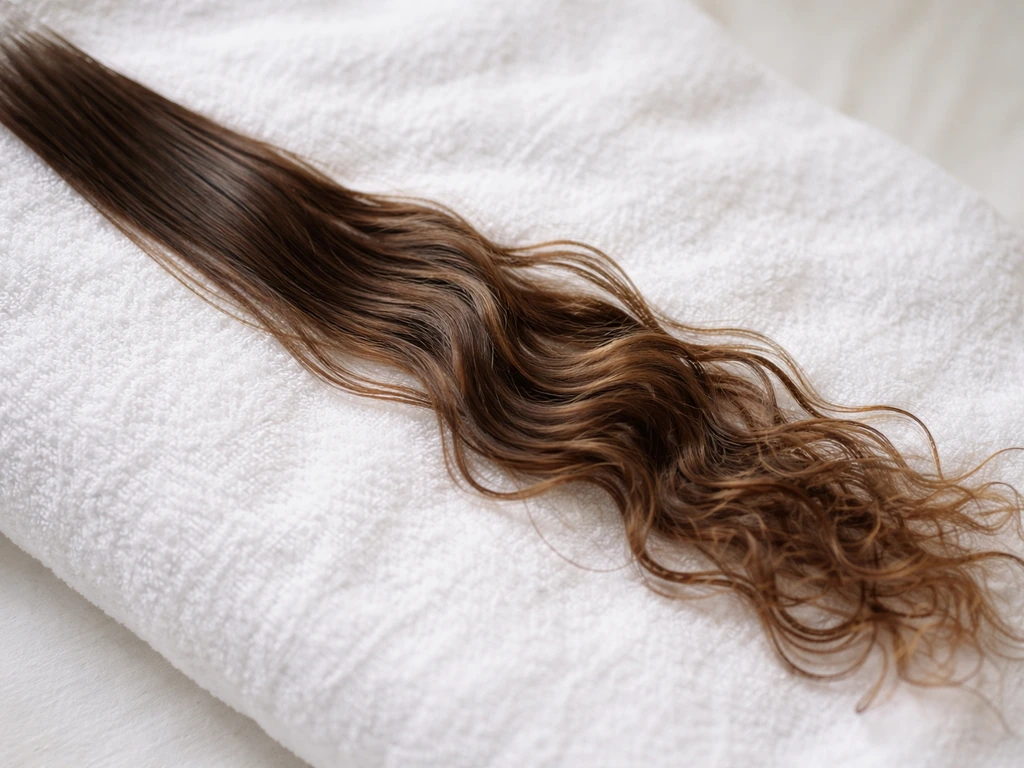
This is where most people's real question lives. Here is the honest timeline. From day one, new hair growing from your scalp is untreated. That means whether your hair will curl if you grow it out depends mainly on your natural texture, not on the perm chemistry new hair growing from your scalp. It comes in with your natural texture. Meanwhile, the chemically restructured lengths and ends keep the curl pattern the perm created. At around month two or three, you start seeing a visible gradient at your roots: natural texture close to the scalp, curled texture further down. By month six, depending on your growth rate and hair length, the line is pretty obvious. Most perms are visually 'grown out' somewhere between six and ten months.
The curled ends do not necessarily stay crisp either. Over time, repeated washing, conditioning, heat, friction, and general handling can loosen the perm's curl. Some of that loosening looks like natural wave relaxation. Some of it is actually cuticle and cortex damage showing up as frizz and less-defined curl clumps, not the same thing as the perm 'fading gracefully.' Understanding which is happening helps you decide whether you are looking at a healthy grow-out or a damage situation.
One practical issue worth knowing: you cannot simply perm just your roots the way you would touch up color. The chemistry spreads. Getting a touch-up perm risks over-processing the already-treated lengths, which accelerates breakage. Most stylists who specialize in perms manage this carefully with timing, sectioning, and sometimes different formulas for different sections of hair.
Realistic expectations based on your hair type
Hair type matters a lot here, and it is worth being honest about this, especially for textured and Black hair. If your natural texture is already coily or tightly coiled (type 4), a perm adds chemical restructuring on top of a hair type that is already at higher risk for dryness and breakage. The thioglycolate chemistry swells the cuticle and breaks structural bonds. That creates higher porosity, meaning your hair loses moisture faster and can become brittle more quickly after processing. Your starting texture does not disappear; you are layering chemical restructuring onto it.
For straight or wavy hair types, perms generally have more predictable outcomes and lower baseline fragility risk, though damage is still possible. Finer hair tends to over-process more easily because the chemistry penetrates faster. Coarser, thicker strands may need longer processing time but also have more structural resilience.
The long-term curl pattern you see on any given day is a combination of: the curl your perm created in the treated lengths, the natural pattern of your new growth, how well the neutralization step rebuilt those disulfide bonds, and how much conditioning and moisture retention you have maintained since. All four of those variables shift over time.
Protective styling and care to support growth and retention after a perm
Permed hair needs a moisture-first care approach from the day you leave the salon. The chemistry raises porosity, which means water evaporates out of the shaft faster than it did before. Your goal is to put moisture in and then seal it so it stays. A good weekly routine usually involves a sulfate-free, gentle cleanser (sulfates strip the lipid layer and accelerate drying in already-porous hair), a moisturizing conditioner focused on the lengths and ends, and a leave-in or curl-defining cream to maintain definition and reduce frizz.
For the first 48 to 72 hours after a perm, do not wash your hair, use styling products that coat heavily, or put your hair up in elastic bands. This window is when the neutralizer's oxidation process is finishing its work rebuilding those disulfide bonds. Interfering early makes curls looser and less durable.
Protective styling, meaning keeping the hair in low-manipulation styles that reduce daily friction and handling, is useful during grow-out. Braids, twists, or buns keep the ends tucked and reduce the mechanical stress that breaks off permed ends. Less breakage at the ends means the length you grew actually stays attached, which is what length retention means. This is especially relevant for textured hair types where shrinkage already makes length gains feel invisible.
Avoid heat as much as possible. Permed hair has already undergone significant bond restructuring. Adding regular heat styling on top of that is genuinely risky. If you use heat, a thermal protectant is mandatory, and lower temperature settings (under 350°F/175°C) are safer. Detangling should always be done gently, starting from the ends and working up, ideally on wet conditioned hair using a wide-tooth comb or your fingers.
Real risks: dryness, breakage, and chemical damage
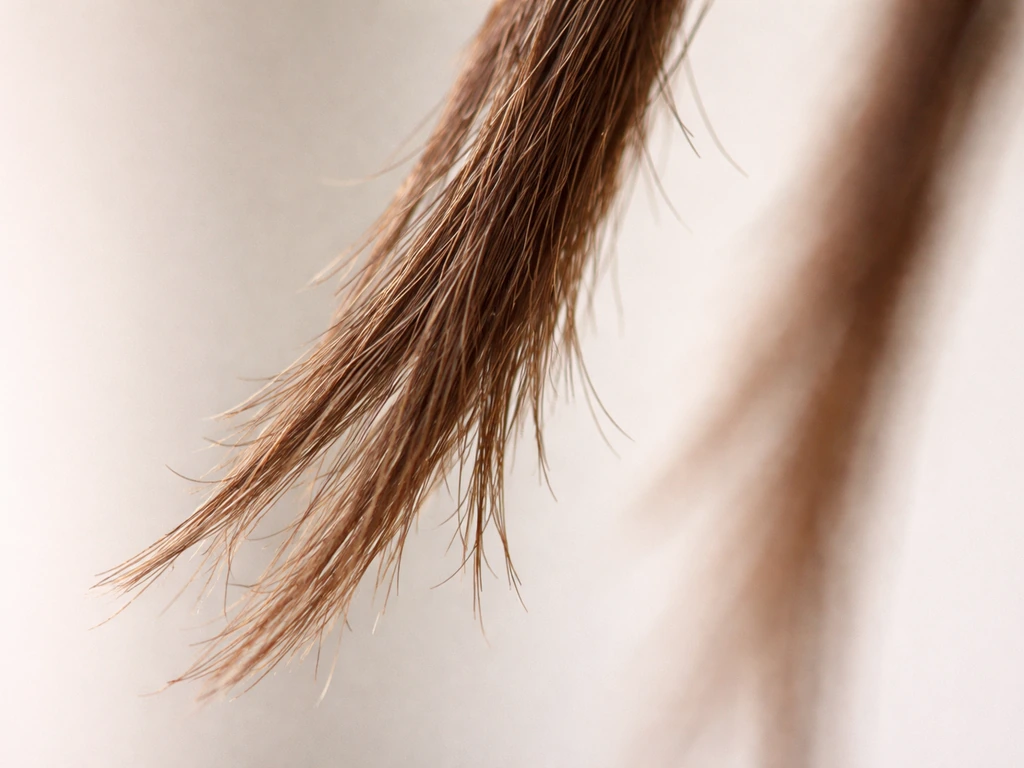
Dermatology literature is clear on perm risks, and they are worth knowing before you decide anything. The thioglycolate chemistry that makes the perm work also damages the cuticle and cortex in measurable ways. Studies show cell swelling and structural disruption in the hair shaft after thioglycolate exposure. The practical result: your hair is more porous, more fragile, and more prone to breakage after a perm than it was before.
- Increased porosity: the cuticle is disrupted, so moisture leaves the shaft faster, causing chronic dryness if not actively managed
- Breakage at the line of demarcation: the junction between treated and untreated hair is structurally weak and prone to snapping, especially with manipulation
- Over-processing risk: if your hair was already color-treated, bleached, or previously chemically processed, adding a perm greatly raises the chance of severe breakage or the hair becoming mushy and losing elasticity entirely
- Scalp irritation and allergic contact dermatitis: clinical case reports document skin reactions to ammonium thioglycolate and glyceryl monothioglycolate, the latter being especially persistent as an allergen; in rare severe cases, temporary shedding has been documented
- Curl loosening mistaken for growth: frizzy, separated curl clumps after a few months are often early structural damage, not just the perm 'growing out naturally'
To minimize these risks: do a strand test before a full perm, especially on previously processed hair. On r/HaircareScience, perm discussions also emphasize doing strand testing to account for uncertainty and how results can vary with time elapsed, aftercare, and your hair history do a strand test before a full perm. Do a patch test on the scalp if your skin is sensitive. Space chemical services as far apart as possible. If you notice significant breakage, shedding, or scalp irritation, stop all chemical treatments and get a professional assessment. Johns Hopkins Medicine explicitly advises avoiding chemical treatments at signs of breakage or shedding. That is not overcautious advice.
How to decide if a perm is actually worth it for your goals
Before you book the appointment or open the box, it helps to be clear on what a perm can and cannot deliver. Here is a practical framework for making that call.
| Your goal | Will a perm help? | What to know |
|---|---|---|
| Add curl pattern to naturally straight hair | Yes, directly | Choose rod size for your desired curl tightness; results last 6–10 months with proper care |
| Make naturally coily/textured hair grow with more defined curls | Partially, short-term only | New growth will still come in with your natural pattern; treated lengths curl until cut off |
| Grow hair faster | No | Perm does not affect growth rate; biology controls that |
| Maintain uniformly curly hair long-term without cuts | Not easily | Grow-out creates two textures; regular touch-ups risk over-processing damage |
| Add curl to already chemically processed or bleached hair | High risk, not recommended | Over-processing is likely; consult a professional and do a strand test first |
If your primary goal is curly-looking length over time, the honest answer is that a perm gives you curled ends that grow out over six to ten months while your natural roots show through. If you love your natural texture and want to grow it long, protective styling and a solid moisture routine will serve you better than chemistry. If your main goal is “can curly hair grow long,” the good news is your length depends on growth and breakage control, not the perm itself grow it long. If you genuinely want added curl and you understand the grow-out dynamic, a perm can work well when your hair is healthy going in and you commit to the aftercare.
A few concrete next steps worth taking before you decide: assess your hair's current condition honestly (if it is already dry, breaking, or previously bleached, wait and rebuild health first), consult a licensed stylist who specializes in perms for your hair type, ask specifically about which perm formula and rod size aligns with your curl goal, and plan your maintenance routine before you perm rather than improvising afterward. The people who get the best results from perms are the ones who went in with clear expectations and a care plan already in place.
The question of whether permed hair grows curly connects to broader questions about how curl pattern actually works in the follicle, and whether hair type determines how long curly hair can realistically get. If you are wondering how curly hair grows, the key point is that new hair follows your natural follicle pattern, while the perm mostly affects the treated lengths as they grow out. Those are real factors in deciding what kind of curl journey you are signing up for, and they are worth thinking through alongside the chemistry before making any permanent decisions.
FAQ
If my roots come in straight after a perm, will they ever turn curly as the perm grows out?
Usually no, because the perm only restructures hair that already exists on the strand. Your new roots will take on your natural follicle texture. If your root curl seems to change later, it is more often gradual loosening of the permed lengths, not a true transformation of the roots.
Does a perm affect how fast my hair grows, or only how it looks?
It mainly affects appearance and breakage risk, not growth rate. Hair growth speed from the scalp is set by your cycle and biology, about 0.35 mm per day. However, porosity and fragility can increase breakage, which can make it look like you are not retaining length.
Can I speed up the “grow-out” phase so the permed ends leave faster?
You can only accelerate it by cutting or trimming the permed portion. Water and conditioner will not neutralize the curl faster, they mainly improve softness and reduce frizz. If you want out sooner, talk to your stylist about a staged trim while keeping some definition so it does not look uneven.
Why does my curl look like it is getting looser in some areas but not others?
Curl loosening can be uneven due to contact time differences during processing, uneven porosity, or more heat and friction at the ends or around face framing. Also, if one section was over-processed, it may show frizz and stringiness before the rest.
Is there a way to blend the line between permed lengths and natural roots?
Yes, the most reliable approach is styling and gradual trimming, not more chemicals. Using a curl-defining leave-in on the mid-lengths and lighter products at the roots helps the boundary look less harsh. In many cases, a few strategic trims every 6 to 10 weeks reduce the visible demarcation as the curl pattern transitions.
Should I moisturize differently during the grow-out than when my perm is brand new?
Yes. Early on, focus on definition and minimizing disruption during the first 48 to 72 hours. After that, increase moisture retention because porosity remains elevated, but avoid overloading with heavy oils on fine hair since that can flatten curl clumps and make the grow-out look uneven.
How long do I need to wait before coloring, bleaching, or relaxing after a perm?
In general, it is risky to stack chemicals immediately, and waiting is important. The safer timing depends on how your hair reacted to the perm (elasticity, shedding, frizz level), and whether the perm was recently processed. Ask your stylist to evaluate elasticity before proceeding, especially if you notice breakage or significant dryness.
Does perming previously processed hair (color-treated, relaxed, or heat-damaged) change the grow-out behavior?
It can. Previously processed hair is often more porous or already structurally compromised, so the perm may loosen faster in some zones or lead to higher breakage at the ends during grow-out. That can make the curled portion seem to disappear sooner, but it is often breakage rather than a smooth curl fade.
What is the safest way to touch up curl if my ends are getting less defined?
Avoid doing another perm on just the roots yourself, because perm chemistry migrates and can over-process the already-treated lengths. Safer options are a targeted trim, correcting technique in styling, or professional assessment for whether a partial service is appropriate based on how your hair feels (stretch, snap, porosity).
If I switch from straightening to embracing the curl during grow-out, will that help length retention?
Often yes. Reducing heat and frequent brushing lowers mechanical stress, which decreases end breakage. You will still need moisture and gentle detangling, but fewer passes with a flat iron typically improves length retention because the permed ends are less likely to fray and snap.
Next Article
Can Curly Hair Grow Long? Steps to Maximize Length Retention
Yes, curly hair can grow long. Learn shrinkage tricks, breakage control, and a step by step routine to retain length.