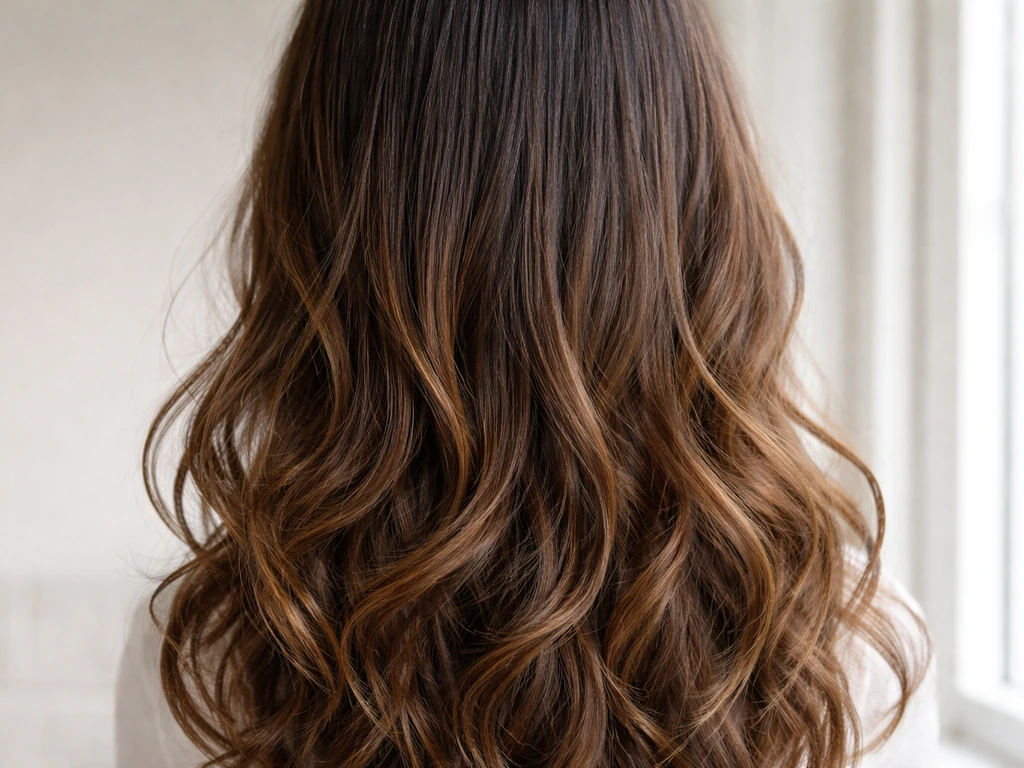
Growing your hair out will not change your fundamental curl pattern, but it will absolutely change how your curls look and behave. Your curl type is set by the shape of your hair follicle and the cross-section of each strand, both of which are determined by genetics before you were born. What length does change is how much weight sits on each coil, how much shrinkage is visible, and how your hair responds to products and styling.
Will My Hair Curl If I Grow It Out Male and Textured Guide

Simone Okonkwo
4 Jul 2026

So if you have 4C coils, longer hair will still be 4C coils, but they may appear stretched, spring differently, and require a completely different routine than they did at two inches. That distinction matters a lot before you spend months growing expecting a curl transformation that biology simply will not deliver.
Why your curl pattern is already set
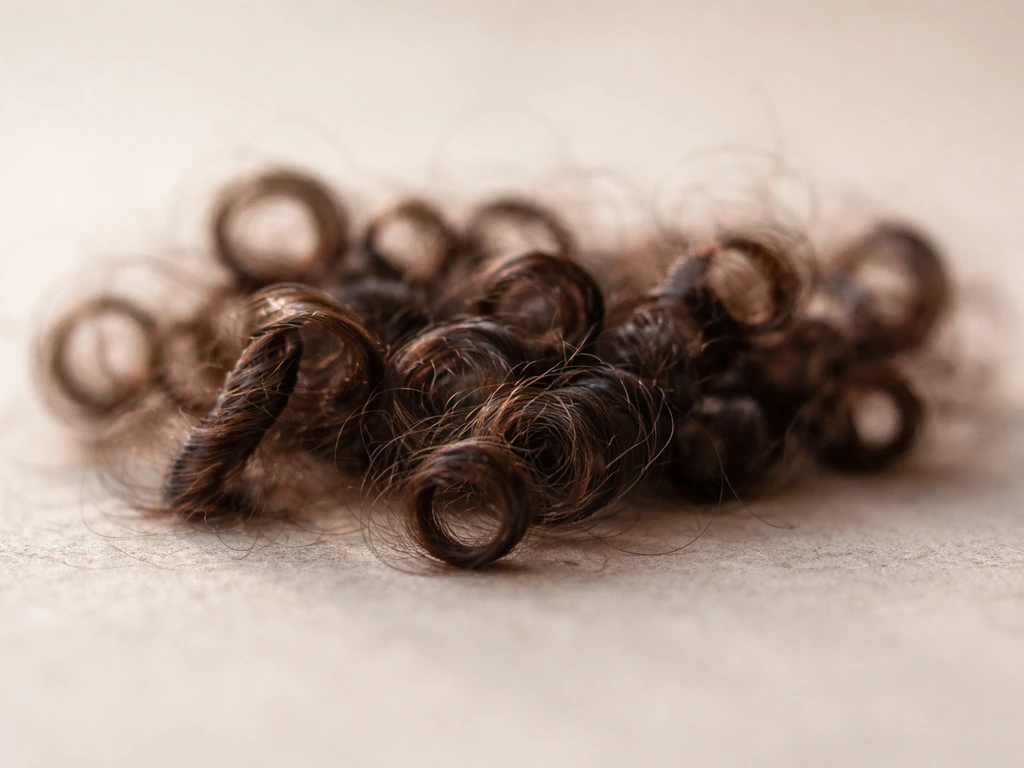
The shape of your curl comes down to two structural things: the shape of your hair follicle and the cross-sectional shape of the hair fiber itself. Research published in Experimental Dermatology confirms that curly hair fibers have an elliptical, roughly D-shaped cross section, while straight hair fibers tend to be more circular. A curved follicle produces a curved fiber, and that relationship is baked into your DNA. Growing your hair longer does not reshape your follicle.
It does not change whether your fiber is elliptical or round. The only known ways to chemically alter that are through permanent treatments like relaxers or perms, and even those alter the disulfide bonds in the hair shaft rather than the follicle itself. If you get a perm, the chemical treatment changes the hair shaft temporarily, so it can alter curl look and behavior even though your follicle shape still stays the same perms.
The moment new growth appears at the scalp, it is already the curl pattern you were born with.
Genetics also plays a role beyond just follicle shape. Studies note that curl formation is tied to differentiated growth rates within the follicle and specific molecular expression patterns during keratinization, the hardening process that gives each strand its final structure. None of that changes based on how long you let hair grow. What you are doing when you grow it out is accumulating more of the same fiber, not generating a new kind.
How hormones and texture fit into the picture
Hormones can influence hair follicle behavior, but in a different way than most people expect. Androgens like testosterone can shorten the anagen (active growth) phase over time, which is the mechanism behind androgenetic alopecia, or pattern hair loss. What this means practically is that hormones may affect how long your hair grows and how thick individual strands remain, not whether your coils become curlier or straighter. The dermal papilla at the base of the follicle is the primary target for androgen-related events, and when miniaturization occurs, the resulting thinner strands may appear to have a different texture simply because thin, fine hair behaves differently than coarser hair of the same curl type.
There is one specific, though rare, condition worth knowing about: acquired progressive hair curvature, sometimes called kinking hair. Acquired progressive hair curvature is described as an acquired condition where hair curvature changes in young men in circumscribed areas, reflecting underlying changes in hair structure rather than effects of normal length.
This presents mainly in post-pubescent males and involves gradual curling or texture changes in a localized area, often associated with early androgenetic alopecia. If your hair is developing kinks in a circumscribed spot and you were not already curly in that area, that is a clinical issue worth discussing with a dermatologist, not a normal response to growing hair out. It is genuinely different from the general question of whether longer hair looks curlier.
What growing it out actually changes
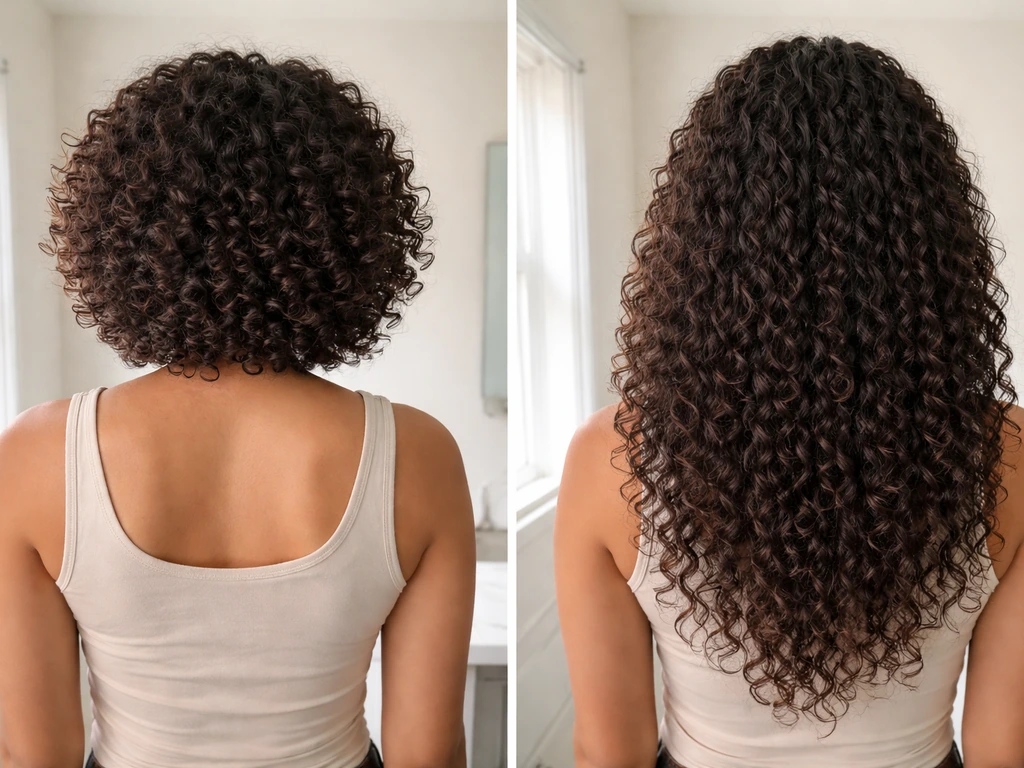
Even though your curl type stays the same, length changes the experience of your hair in meaningful ways. Here is what you can realistically expect to shift as you grow:
- Weight and elongation: Longer strands carry more weight, which pulls coils downward and makes them appear looser or more stretched. A tight 4A coil at two inches might look like a looser wave at six inches simply from gravity.
- Shrinkage visibility: Textured hair can shrink 50 to 75 percent of its actual length when dry, and this is most dramatic at shorter lengths. As hair grows longer, the shrunken length still represents a higher absolute measurement, so shrinkage feels less dramatic even though the percentage has not changed.
- Styling behavior: Longer hair holds twists, braid-outs, and wash-and-go styles differently than short hair. Styles that define curl well at three inches may look undefined or frizzy at eight inches if your routine does not adapt.
- Volume and density perception: At certain lengths, especially in the medium range, hair can look denser and fuller before weight starts to compress it again.
- How growth phases appear: Scalp hair grows roughly one centimeter per month on average, though rates vary from about 0.6 to 3.36 cm per month depending on the individual. Visible, meaningful changes in length and curl behavior realistically take six months to a year of consistent growth to assess.
What growing it out does not change: your underlying curl classification, the diameter and ellipticity of your hair fiber, or whether you have shrinkage. Expecting your 4B hair to become 3C hair just from growing it is the kind of myth that leads to disappointment and abandoning a grow-out prematurely. Work with what your follicles are producing, and the results will be much more satisfying.
What males growing out textured hair should expect
If you are a male starting from a very short cut, the grow-out process has some specific phases worth knowing about. In the first one to three months, most textured hair goes through an awkward phase where length is not yet enough to see curl definition. Coils may look more like fuzz or undefined texture, which can be frustrating if you are hoping to see your natural curl pattern clearly. Resist the urge to cut at this stage. Definition starts appearing as strands get enough length to form a visible spiral or coil, which for tighter textures typically requires at least one to two inches of growth.
Between three and six months, most men with textured hair will hit a length where curl pattern becomes much more readable. This is also when shrinkage becomes more noticeable and when choosing the right product routine starts to matter significantly. By around ten to twelve months, the grow-out is substantial enough to try a wider range of styling options. Throughout all of this, the underlying curl type is the same as it was at day one of growing out, but how you manage it at each phase makes a major difference in whether length actually accumulates or gets lost to breakage.
One common male-specific habit that undermines growth is low-key mechanical damage: rough towel-drying, dry picking without a product, and skipping conditioning because the hair feels short enough that it does not seem to matter. Those habits damage the cuticle and increase breakage, which erodes length retention over time. Even at short to medium lengths, your hair needs moisture and gentle handling.
How to bring out the curl you already have
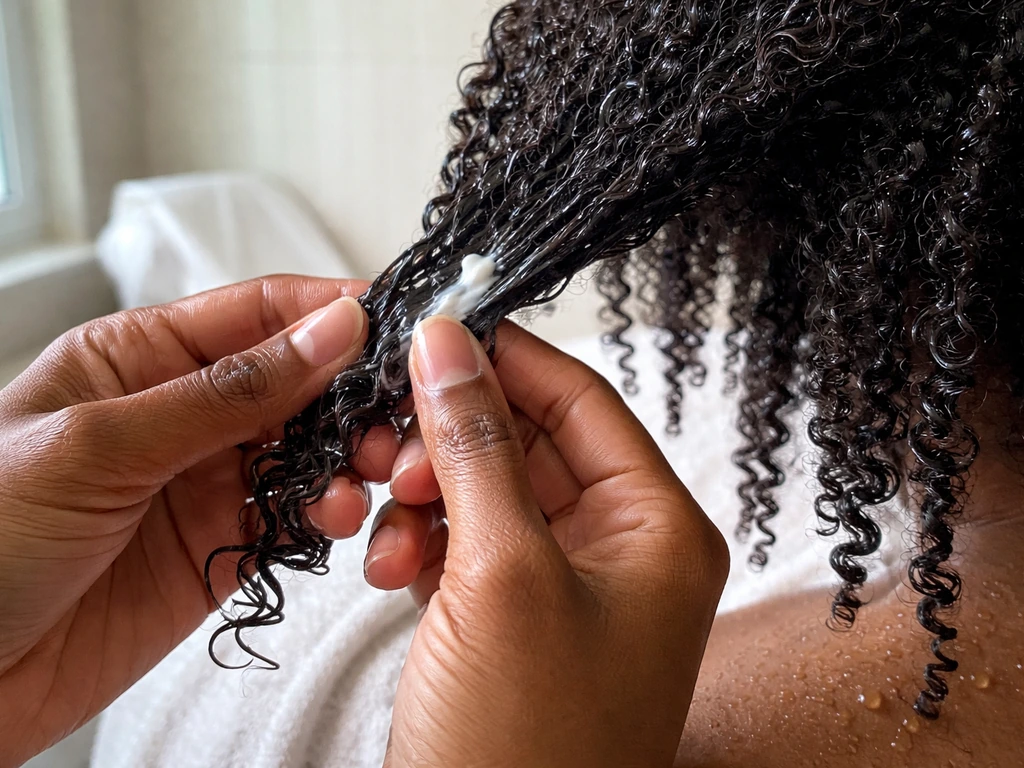
The most practical thing you can do while growing out textured hair is build a routine that keeps moisture in and manipulation low. Here is a simple framework that actually works for most textured hair types:
Cleansing
Use a sulfate-free or low-lather shampoo one to two times per week, or co-wash (conditioner wash) between shampoo sessions if your scalp tolerates it. Harsh sulfates strip the natural oils that help curls clump and define, leaving hair dry and frizzy. If your scalp gets oily or you use heavy products, a gentle clarifying wash every two to four weeks helps reset without stripping.
Conditioning and detangling
Always detangle on wet hair saturated with conditioner. The slip conditioner provides is what allows a wide-tooth comb or your fingers to move through coils without snapping them. Dry detangling is one of the fastest ways to destroy length retention in textured hair. Deep conditioning once a week or every two weeks makes a noticeable difference in how well curls clump and hold definition. Leave it on for fifteen to thirty minutes before rinsing.
Leave-in conditioner and moisturizing
Apply a water-based leave-in conditioner to freshly washed, damp hair before any other styling product. Dermatologists recommend leave-in conditioner as a detangling and moisture-sealing step, and for textured hair it is close to non-negotiable for maintaining definition. Follow with a light cream or curl-defining gel if you want more hold. The classic LCO method (liquid, cream, oil) or LOC method (liquid, oil, cream) works well for locking in moisture, especially for 4A through 4C textures. Avoid heavy petroleum or mineral oil products near the scalp, as they can clog follicles over time.
Defining and setting
Finger coiling, shingling, or simply scrunching product into wet hair and allowing it to air dry are all low-manipulation ways to encourage curl definition. Diffusing with a hair dryer on low heat is a faster option that preserves curl shape better than air drying loose without product. If you use heat at all, keep temperatures moderate. Heat damage increases frizz, reduces tensile strength, and can cause tangles that worsen breakage over time, directly undermining the grow-out goal.
Protective styling and length retention for textured hair
Protective styles are genuinely useful for textured hair growth, but they come with important caveats. Styles like loose twists, low-tension braids, and twist-outs tuck away the ends of your hair from daily friction and manipulation, which reduces breakage and helps you actually retain the length you are growing. The key word is low-tension. Tight braids, tight cornrows, or any style that pulls at the hairline exerts continuous traction on hair roots, which is the direct cause of traction alopecia. Research is clear that hairstyle-related pulling is a real mechanism of hair loss, and it does not spare any hair type.
Dermatology guidelines from the AAD recommend stopping tight styles at the first sign of scalp tenderness or edge thinning, and switching to looser alternatives. For males growing out textured hair, loose two-strand twists at night with a satin bonnet or silk pillowcase is one of the most effective and lowest-risk protective approaches available. Sleeping on cotton pillowcases creates friction that disrupts curl definition and causes frizz and breakage, particularly relevant during the nighttime hours when you cannot actively protect your hair. A satin bonnet or silk pillowcase is a simple, evidence-aligned swap.
A note on weaves and extensions: if you choose to add length with extensions during a grow-out phase, ensure they are installed with minimal tension at the scalp and that your natural hair underneath is being moisturized and cleansed regularly. Extensions can be a protective option, but neglecting the natural hair underneath is a common mistake that leads to breakage and thinning when the style is removed.
A simple week-to-week grow-out routine
| Frequency | Step | Why it matters |
|---|---|---|
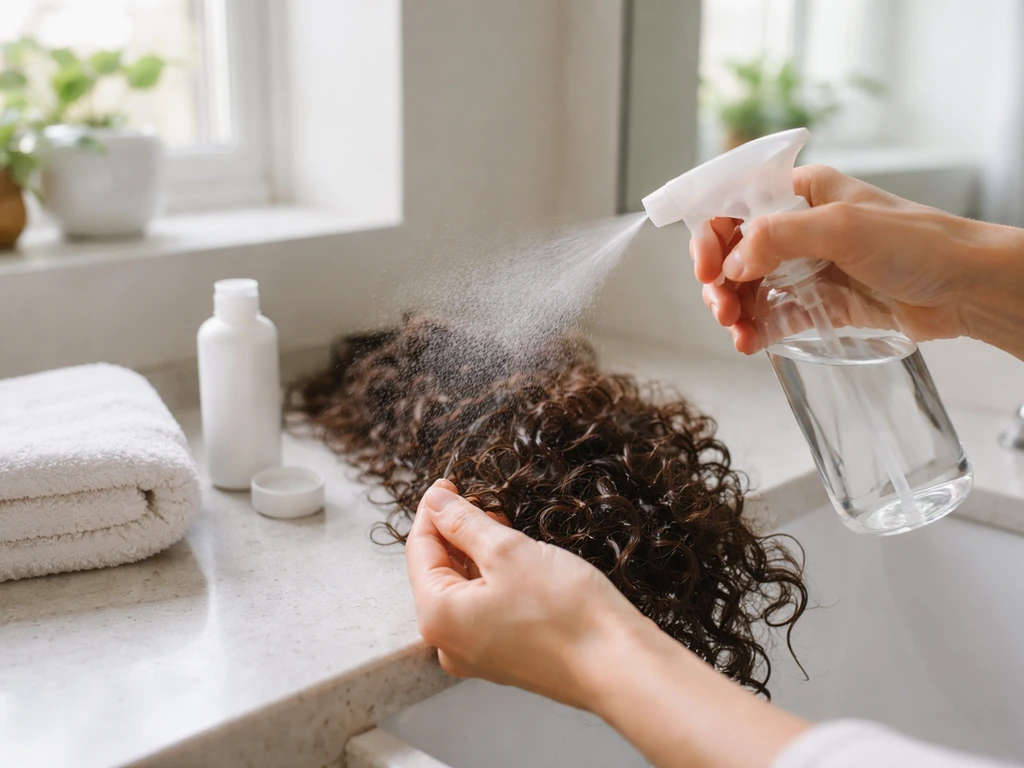
| Every 1-2 days | Refresh curls with water or a water-based spray and a small amount of leave-in or curl cream | Prevents dryness and maintains definition between wash days |
| Every night | Protect hair with a satin bonnet, durag, or silk pillowcase | Reduces friction-related breakage and frizz overnight |
| 1-2 times per week | Cleanse with sulfate-free shampoo or co-wash, followed by rinse-out conditioner | Keeps scalp clean without stripping natural moisture |
| Every wash day | Detangle on wet, conditioned hair with fingers or wide-tooth comb | Prevents snap breakage that erodes length retention |
| Every 1-2 weeks | Deep condition for 15-30 minutes | Strengthens hair, improves elasticity, and enhances curl clumping |
| Every 2-4 weeks | Clarifying shampoo wash to remove product buildup | Buildup blocks moisture from penetrating the strand |
| Ongoing | Wear low-tension protective styles (loose twists, low buns) when not styling | Minimizes daily manipulation and mechanical damage |
When to reassess: signs that something is off
Most people growing out textured hair will see slow but steady progress with a consistent routine. But there are specific signals that tell you the issue is not just patience, and that it is time to take a closer look.
- You are not retaining length after six or more months of growing: If your hair keeps breaking off at roughly the same length, the problem is retention, not growth. Common causes are dryness, heat damage, and over-manipulation. Audit your routine, not your genetics.
- Your curl definition is getting worse, not better: If hair that used to have visible coil definition now looks frizzy, porous, or limp even with product, heat or chemical damage is likely. Damaged hair may not lay flat, increases tangling, and creates a feedback loop of breakage. A trim to remove the damaged length and a heat-free period often helps more than any product.
- You notice sudden localized texture changes: As described earlier, a specific area suddenly developing kinking or curling differently than the rest of your hair, particularly at the crown or temples in a male, can signal the early stages of androgenetic alopecia or acquired hair curvature. That warrants a conversation with a dermatologist.
- Scalp tenderness or hairline thinning: Both are early warning signs of traction alopecia. Loosen your styles immediately. Caught early, traction alopecia is reversible; caught late, the follicle damage can be permanent.
- Hair feels mushy or stretches and does not spring back: This is hygral fatigue or over-moisturized hair. Balance moisture with protein treatments to restore elasticity.
The broader picture here is that your curl pattern is one of the most stable things about your hair. What changes dramatically with length, routine, and health is how well that pattern expresses itself. Questions like whether curly hair can actually grow long or how permed versus natural textures behave over time are genuinely related to this same foundation: genetics sets the curl, but what you do day to day determines everything about whether your hair thrives at that length. If you want to understand how curly hair grows long-term, focus on what length changes and what genetics locks in. Focus your energy there, and the grow-out process becomes a lot less mysterious.
FAQ
If my hair is straight or only slightly wavy now, will it curl more as it gets longer?
Longer hair can look curlier because coils have more length to form, but it cannot create the underlying curl pattern if your fibers are naturally round. If your hair is mostly straight at short length, you may only see loose bend, frizz-driven “waves,” or texture that becomes more noticeable, not a true jump to tighter curls.
Why does my hair get curlier in the first weeks, then look less defined later in the grow-out?
Early on, curls can look tighter because new growth is more uniform and easier to clump. Later, definition can drop from product buildup, inconsistent moisture, tangles from low slip detangling, or heat and friction. Re-check your routine before assuming your curl pattern changed.
Can I “stretch” my curls so they look straighter while still keeping the same curl type?
Yes. Gentle stretching methods like banding with light product, shingling, or using a leave-in plus a small amount of gel can reduce shrinkage without changing your curl genetics. The key is to avoid dry brushing, aggressive tugging, or high heat that can increase breakage.
Does hair length affect shrinkage differently depending on my curl type?
Shrinkage is mostly a fiber curliness and coil structure issue, but length changes how much of that coil is visible. Tighter textures often show less visible spiral early and can appear to “surge” into definition after enough length, while looser waves may show more bend sooner but less dramatic shrink as they grow.
Will thinning or fine hair make my curls look different as it grows out?
It can. If androgen-related miniaturization occurs, strands may become thinner and behave differently, often making texture look less uniform or more “separate” (sometimes appearing straighter or more frizzy). This is about strand caliber and density, not a true change in follicle curl shape.
How long should I wait before I blame the routine instead of the grow-out process?
If you are starting from a very short cut, expect an awkward stage around the first 1 to 3 months where definition is limited. If you do not see meaningful improvement by roughly 4 to 6 months, or you notice increasing matting, excessive breakage, or scalp discomfort, adjust your moisture, detangling, and protective habits rather than cutting immediately.
What are early signs my hair is breaking instead of just not “defined” yet?
Look for shorter-looking ends than the rest of your strands, rough or snagging feel, lots of shed hairs with no curl pattern, single-strand knots, and uneven growth length between sections. These point to mechanical damage, not a lack of curl transformation.
Is using a gel or curl cream necessary, or can I grow out successfully with only leave-in?
Many people can do well with leave-in alone, especially for softer definition and low crunch. However, for tighter textures or humid climates, adding a light gel or cream helps hold clumps together, reduces frizz, and protects the curl shape while it dries, which can improve length retention indirectly.
Should I clarify while I’m growing out, and how often?
Clarifying can help if you see dullness, reduced clumping, or gummy residue, but it should be periodic, not constant. A practical approach is a reset wash every 2 to 4 weeks (or sooner if you use heavy styling products), then return to your gentle routine to avoid dryness-related breakage.
Can extensions or weaves change my natural curl pattern?
They can change how your hair looks in the short term, mainly through styling tension and how the installed hair mimics curl clumps. Your natural curl pattern will not change at the follicle level. If you feel traction at the scalp, have shedding at the edges, or see matting under the style, it is a cue the setup is too tight.
At night, does a bonnet always matter if I already use a protective style during the day?
Night friction still breaks down curl definition and increases micro-tangles even if your day style is protective. A satin bonnet or silk pillowcase reduces rubbing and helps your morning curls stay clumped, especially during the grow-out phase when ends are still fragile.
When should I see a dermatologist for curl changes that are not typical?
If you notice gradual kinks or new curling texture in a localized patch where you were previously different, or you also see scalp tenderness, patchy thinning, or edge recession, get evaluated. Those patterns can reflect a medical issue rather than normal curl behavior from length.
Next Article
Does Permed Hair Grow Curly as It Grows Out?
Does perming make new hair grow curly or only change texture? Learn curl loosening, retention tips, and breakage risks.