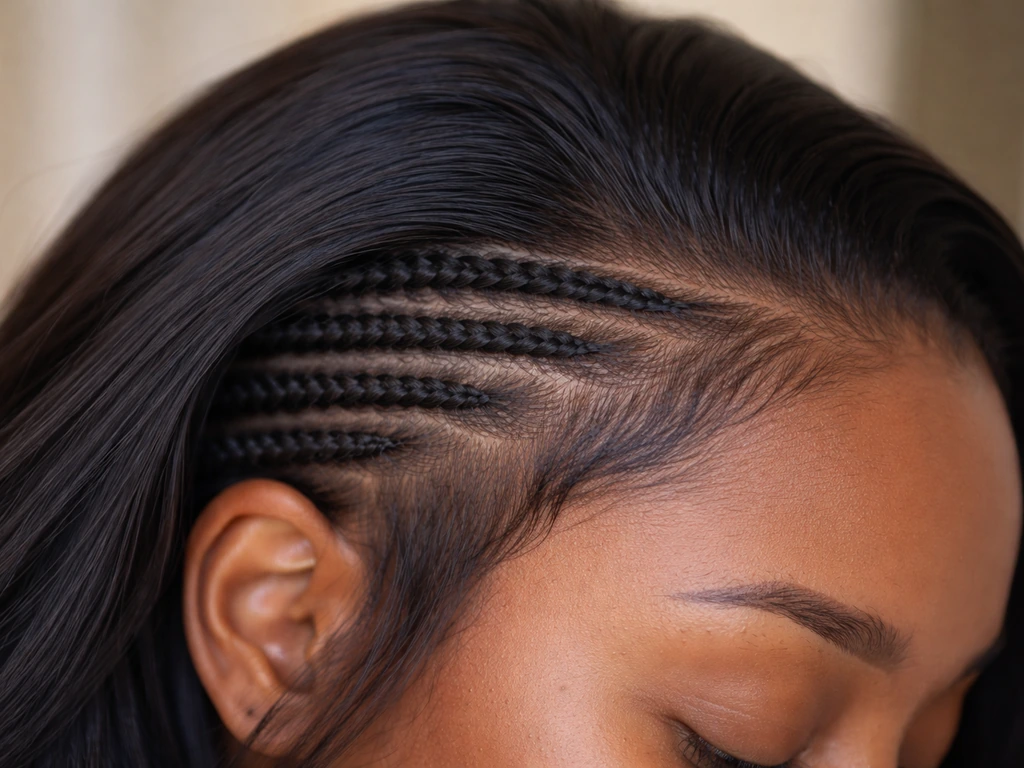
Weaves do not make your hair grow faster. Your hair grows from follicles in your scalp, and nothing you put on top of it changes how fast those follicles produce new strands. What a weave can do, when installed and worn correctly, is protect your natural hair from the everyday manipulation and breakage that quietly steal your length. That distinction between actual growth and length retention is the whole ballgame, and once you understand it, you can use a weave strategically instead of hoping it will do something it was never designed to do.
Does Weave Grow Your Hair? How to Grow Safely

Simone Okonkwo
24 May 2026
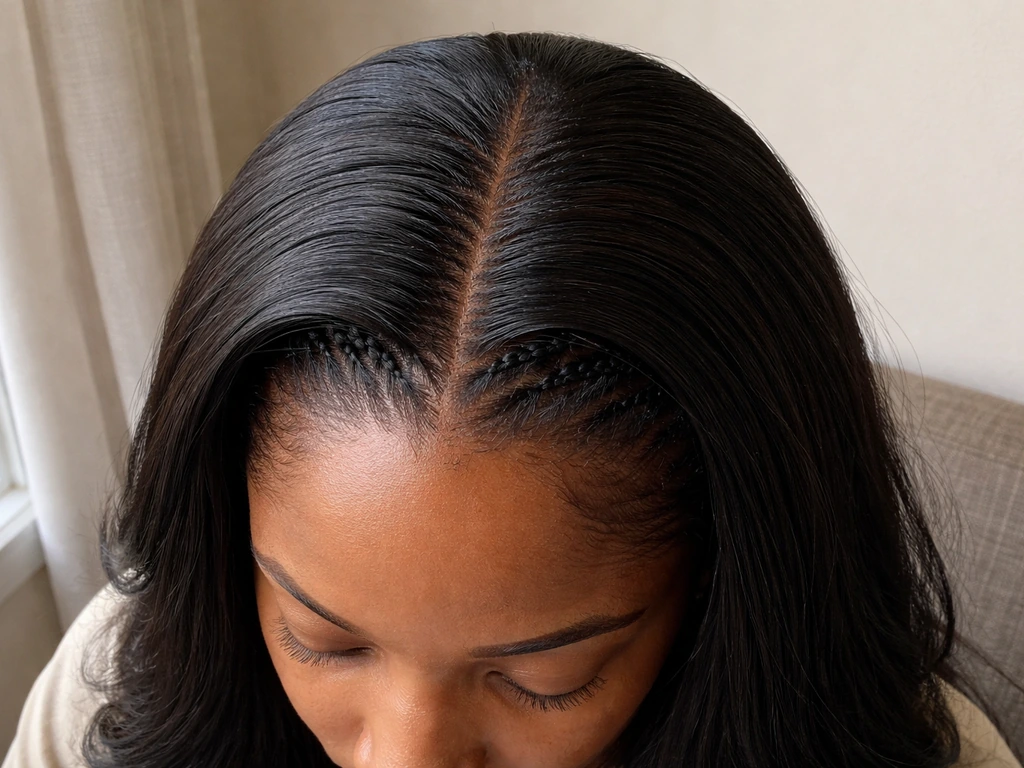
Growth vs. retention: why people think weaves make hair grow
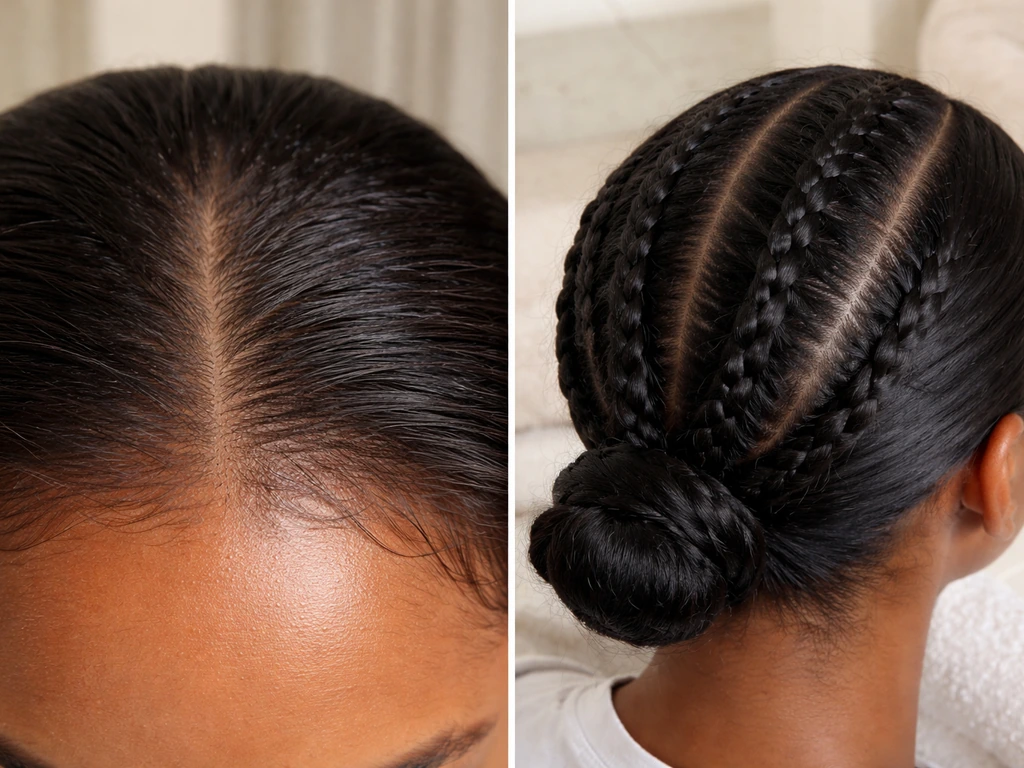
Your scalp produces roughly half an inch of new hair per month regardless of what style you are wearing. That rate is set by genetics, hormones, nutrition, and scalp health. A weave does not touch any of those factors. So why do so many people take out a sew-in after eight weeks and swear their hair grew two inches?
Because hair growth rate is determined by your follicles, sew-ins are mainly about retention, not changing how fast new hair grows can sew ins grow your hair. Because it did, technically. But it was not the weave that caused it. It was the fact that the hair was not being combed, flat-ironed, rubbed against a pillowcase, or exposed to dryness every single day.
The hair grew at its normal pace AND more of it stuck around.
This is length retention, and it is the real reason protective styling has a reputation for producing visible results. Healthline, citing the American Academy of Dermatology, puts it plainly: protective styles do not make hair grow faster, but they may help with length retention by reducing breakage. If your hair usually breaks at two inches because of manipulation and dryness, and a weave lets it reach four inches before you take it down, your hair appears to have grown more. It did retain more. That is still a win, but you need to know what you are actually optimizing for.
When a weave actually supports growth (and why)
A weave helps you retain length when it reduces the main enemies of retention: mechanical damage, heat, dryness, and friction. If you are someone who normally styles your hair daily, relies on heat tools, or struggles to keep textured hair moisturized in dry climates, having your natural hair tucked away for a few weeks removes a lot of those stressors at once. Less manipulation means fewer broken strands. Fewer broken strands means more visible length over time.
The protective styling benefit is real and it is especially meaningful for tightly coiled and kinky hair textures. Type 4 hair has more points of curvature per strand, which means it is structurally more vulnerable to breakage at each of those curves. Every time that hair is combed or styled, there are more opportunities for a strand to snap. A weave that keeps that hair braided down underneath and away from daily handling is genuinely giving it a chance to retain what it grows. That is why this style has deep roots in Black hair care culture, and why it earns its place as a real tool for length goals.
The conditions that make a weave supportive of growth rather than damaging to it come down to three things: low tension at the scalp, proper scalp hygiene while it is in, and a reasonable wear time with breaks between installs. Get those three right and you have a solid protective styling setup. Miss any one of them and the math starts working against you.
The risks that actually stop your hair from growing
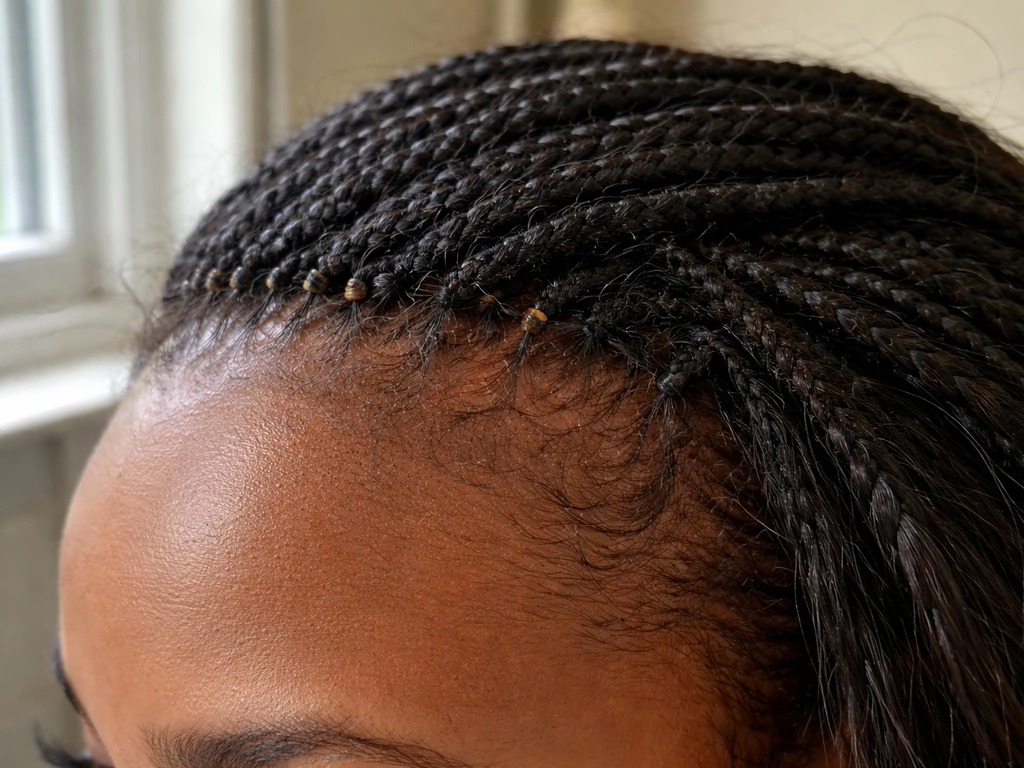
This is the part that gets glossed over in a lot of protective styling content, and it should not. Weaves can cause real, lasting damage to your hair follicles if they are installed too tight, worn too long, or removed carelessly. The mechanism is called traction alopecia, and it is exactly what it sounds like: hair loss caused by repeated mechanical pulling on the hair and scalp.
The American Academy of Dermatology is direct about this: tight hairstyles and extensions can damage natural hair and can cause hair loss. Constant pulling causes strands to break or fall out, and it can damage hair follicles. Mayo Clinic and StatPearls both confirm that repeated stress and tension from styles like tight cornrows, braids, and extensions can lead to follicular damage, and that if the damage continues, it can become permanent. StatPearls specifically notes that early traction alopecia, caught before follicles are scarred, can allow complete regrowth once the tension source is removed. Wait too long and that window closes.
Warning signs your weave is causing harm
The early signs of traction alopecia are easy to miss because they look like minor irritation. Healthline describes early traction alopecia as small scalp bumps that look like pimples, along with soreness and stinging. GoodRx adds itching and burning along the points of tension as red flags. StatPearls lists folliculitis, hair casts, reduced hair density, and broken hairs at the hairline as early clinical features.
The American Academy of Dermatology notes that folliculitis involves inflamed or infected hair follicles and can cause acne-like bumps, and it may irritate the scalp and affect hair follicles as well as surrounding skin. If you feel your scalp hurting after an install, that is not normal tightness that will loosen up.
That is a warning.
- Scalp soreness, stinging, or pain immediately after installation
- Bumps or pustules along the hairline or part lines
- Itching or burning at the base of braids or wefts
- Small broken hairs or a fuzzy edge forming at the temples
- Visible thinning along the hairline or crown after removal
- Redness or color changes on the scalp under the style
If any of these appear, do not wait it out hoping it improves. Healthline recommends removing the style sooner if there is continued itching, discomfort, or skin color changes. The earlier you act, the better the chance of full recovery.
Scalp buildup is another underrated risk. When a weave stays in for too long without proper cleansing, sweat, product residue, and dead skin accumulate at the follicle openings. This can trigger folliculitis, which Mayo Clinic defines as inflammation of the hair follicles. If folliculitis goes untreated, it can cause permanent hair loss and scarring. Trapped irritation under a style that was meant to be protective is one of the most ironic ways people lose hair while trying to grow it.
How to install and wear a weave without sabotaging your hair
Most growth-friendly weave practices come down to decisions you make before the style goes in, while it is in, and when it comes out. None of them are complicated, but all of them matter.
Before and during installation
- Start with clean, conditioned hair. Installing a weave over dirty or dry hair traps that condition under the style for weeks.
- Request low tension. If your scalp hurts during or right after installation, speak up immediately. Pain is not a sign of a secure install; it is a sign of too much stress on the follicle.
- Keep cornrow bases flat and uniform. Uneven parts or thick sections create pressure points that dig into the scalp over time.
- Avoid styles that pull hard on the hairline or temples. These areas are the most vulnerable to traction alopecia.
- Moisturize the exposed hair before it goes under the weave, and seal with a lightweight oil to slow moisture loss.
- Choose weave hair weight appropriate for your natural hair density. Heavy extensions on fine or low-density hair add more tension with every movement of your head.
While the weave is in
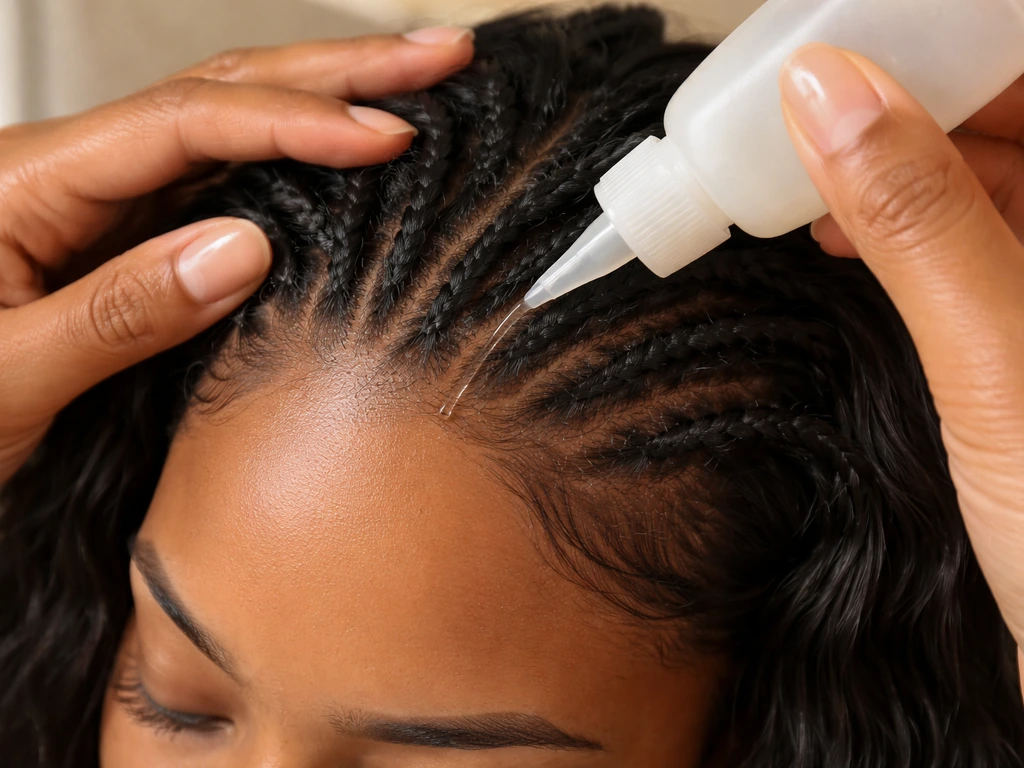
The AAD advises keeping the scalp clean and hydrated with a gentle, moisturizing shampoo and conditioner while wearing weaves or extensions. Use a nozzle applicator bottle or diluted shampoo to cleanse between tracks every one to two weeks. Letting buildup sit for six to eight weeks straight is one of the most common mistakes people make with sew-ins. Your scalp does not go dormant just because your hair is covered.
Healthline recommends wearing protective styles for around two to four weeks at a time with breaks in between. That is a conservative guideline, and experienced wearers often go six to eight weeks with careful maintenance, but the core idea holds: the longer the style sits without scalp care, the higher the risk of buildup, matting of your natural hair, and follicular irritation. If you are doing a sew-in that will stay in for six to eight weeks, you need to be actively cleansing and moisturizing throughout, not just at install and removal.
Removal
Removal is where a lot of people accidentally undo the protective benefits they built up over weeks. Allure quotes stylist guidance that the damage risk is heavily tied to removal: do not pull excessively, and ease away carefully if bonds or wefts feel grown-out and tight. Yanking out a sew-in that has been in for eight weeks, without properly detangling the natural hair first, can cause more breakage in twenty minutes than the entire wear period prevented. Work slowly, use a detangling conditioner or a slip-heavy product, and separate natural hair section by section before doing any real manipulation.
Who benefits most and who should think twice
Weaves work best as a protective style when your hair is healthy enough to handle the install and your goal is length retention over a defined period. The people who tend to see the most benefit are those with tightly coiled natural hair that experiences significant manipulation-related breakage in everyday styles, and who have healthy enough scalps and edges to withstand the tension of a cornrow base.
| Hair Profile | Likely Benefit from Weaves | Key Consideration |
|---|---|---|
| Natural type 4 hair (healthy scalp) | High: significant retention benefit from reduced manipulation | Keep tension low; prioritize scalp hygiene |
| Natural type 3 hair | Moderate: less daily breakage risk, but still benefits from breaks | Avoid heavy extensions on finer strands |
| Relaxed hair | Moderate to high: relaxed strands are more fragile and prone to breakage | Extra caution on tension; relaxed edges are vulnerable |
| Thin or low-density hair | Lower: more risk of visible traction damage | Lighter extensions only; shorter wear periods |
| Thinning edges or hairline | Not recommended until edges recover | Traction alopecia risk is elevated in already-thinned areas |
| Sensitive or eczema-prone scalp | Low: irritation risk from products and buildup is higher | Address scalp condition before installing any extension style |
Relaxed hair deserves a specific note. The chemical process of relaxing weakens the protein structure of the strand, which makes it more vulnerable to breakage at points of tension. The bond between a relaxed strand and a cornrow base is not as resilient as a natural coiled strand. This does not mean weaves are off-limits for relaxed hair, but it does mean tension management and moisture are even more critical, and wear time should lean shorter rather than longer.
People with already-thinning edges or a history of traction alopecia should not install a weave until those areas have recovered and, ideally, until they have seen a dermatologist. Using a style that put tension on a hairline that is already compromised is one of the fastest ways to convert early-stage traction alopecia into permanent loss.
Alternatives worth knowing, and what to do right now
If a traditional sew-in feels like too much commitment or too much tension risk for where your hair is right now, there are other protective options worth considering. Loose twists, flat twists, low-tension box braids, and wigs on a wig cap all offer the core protective benefit (reducing daily manipulation) without the cornrow base tension of a typical weave install. If you want a more hands-on guide to how to grow hair with weave, start by focusing on low-tension protective options like these that reduce daily breakage. The AAD recommends switching styles regularly so you are not always wearing the same tension source, and trying styles that do not pull on your hair.
Quick weaves are another option some people use to reduce the cornrow tension factor, though they introduce their own considerations around the bonding glue and removal process. You may also wonder can quick weaves grow your hair, but the key is whether you are preventing breakage and keeping tension under control. Sew-ins offer a middle path if installed with low tension. Each approach has its trade-offs, and the right choice depends on your hair's current condition, your maintenance habits, and how long you want to commit to the style.
Practical next steps you can take today
- Check your current weave or extension style right now. Run your fingers along your hairline and any part lines. If there is soreness, bumps, or visible thinning, take that as a sign to remove or loosen the style as soon as possible.
- If you are planning an install, book with a stylist who listens when you say 'lighter tension' and will adjust if you say the install hurts. If they do not adjust, leave.
- Set a cleansing schedule for while the weave is in. Mark your calendar for every seven to ten days to wash your scalp, even with the style installed.
- Moisturize your natural hair through the weave at least twice a week. A lightweight leave-in or water-based moisturizer applied to the braids and roots keeps the hair under the weave from drying out and becoming brittle.
- Plan your removal before you install. Decide on the week you will take it out, and stock up on detangling conditioner so you are not tempted to rush through it.
- After removal, give your scalp at least one to two weeks of low-manipulation, natural styling before reinstalling. Use this time to assess how your edges and density look compared to before.
The bottom line is this: a weave is a tool. Like any tool, it does exactly what you do with it. Used with care, it can give your natural hair a real chance to retain the growth it is already producing. Used carelessly, it can take you backward faster than daily heat styling ever would. The goal is not to wear a weave and hope for the best. The goal is to set up the conditions where your hair has every advantage, and then let biology do its job. If you are also curious about wavy caps, you may be wondering where do wavy caps grow in the wild.
FAQ
If I keep a weave in for longer, will it make my hair grow faster?
No. A weave can make your hair look longer because it protects the strands you already have from breakage, tangling, and dryness. The scalp still produces new growth at its normal pace, so the “new inches” you notice usually come from retention and less breakage, not faster follicle activity.
How long is safe to wear a sew-in before I should take breaks?
Longer wear raises the odds of two avoidable problems: scalp buildup (which can trigger folliculitis) and sustained tension on the hairline (traction alopecia). If you want a longer schedule, the safer approach is more frequent scalp cleansing and planned break weeks, rather than simply extending the same install.
What does traction alopecia risk feel like, and when should I remove the weave?
You should feel some tightness right after installation, but not ongoing soreness, burning, or stabbing pain at the tension points. If your scalp starts to sting, itch heavily, or develop small bumps that look like pimples soon after the install, treat that as a sign to remove it early and reassess.
Can a weave damage my edges even if my hair still looks full?
Yes, placement and base tension matter. Hairline edges are the highest-risk area, especially if the cornrow pattern is tight or the hairline is being pulled repeatedly. If you already have thinning edges, ask your stylist for a low-tension design (or consider wig caps, twists, or loose braids) and avoid styles that pull directly at the perimeter.
How should I cleanse my scalp while wearing a weave so I actually get the protective benefits?
Wash regimen is key. Use a gentle shampoo to clean between tracks, and do it consistently (often every 1 to 2 weeks). Also rinse thoroughly, because residue and sweat trapped under the style can trigger follicle inflammation even when your hair is otherwise “protected.”
What’s the safest way to remove a sew-in without losing the progress I made?
To reduce breakage when you take the style out, detangle naturally section by section first using slip-heavy conditioner, then remove the weave gently without yanking. If you feel resistance from wefts or bonds that seem “grown-out” tight, stop, loosen appropriately, and continue slowly to avoid snapping the natural hair at the roots.
If my sew-in doesn’t hurt, can I still be damaging my hair?
Often, yes. If the weave setup keeps your natural hair from being moisturized and it becomes dry, you may see increased shedding and more tangles at the ends, even if the scalp feels fine. Make sure you’re moisturizing your exposed hair and sealing as needed, especially along the perimeter and ends.
Does a weave help with hair growth if my main issue is shedding?
It depends on your goal. If you are trying to preserve length, protective styles that lower daily manipulation can help you retain growth. If you are trying to increase growth rate, no protective style will speed up follicles, so you would need to focus on scalp health, nutrition, stress, and addressing any underlying shedding causes.
Is wearing a weave different for relaxed hair compared with natural hair?
If your hair is relaxed, tension can create more breakage at the points where the hair is pulled or styled. The practical takeaway is to manage tension even more strictly and typically choose shorter wear windows and extra moisturizing, since relaxed strands are generally more fragile under pull.
Should I avoid weaves if I have a history of traction alopecia or thinning edges?
Yes. If you have thinning, a history of traction alopecia, or prior permanent scarring, it can be risky to install again without medical input. A dermatologist can tell you whether you are in an active stage where tension should be avoided, and they can guide a safer protective plan for that stage.
Next Article
Can Sew Ins Grow Your Hair? Evidence-Based Guide
Learn if sew-ins truly grow hair and how correct fit, low tension, and scalp care protect length and prevent thinning.