
Wearing a weave can absolutely help you retain length and keep your natural hair protected, but it does not make your hair grow faster. Your follicles are doing their thing underneath regardless, cranking out roughly 1 cm of new hair per month. What a weave actually does, when installed and maintained properly, is reduce the daily manipulation, friction, and dryness that cause breakage before that growth ever reaches your ends. That is the real goal: keep what is already growing by protecting it underneath the style.
How to Grow Hair With a Weave: Step-by-Step Guide

Simone Okonkwo
1 Jul 2026
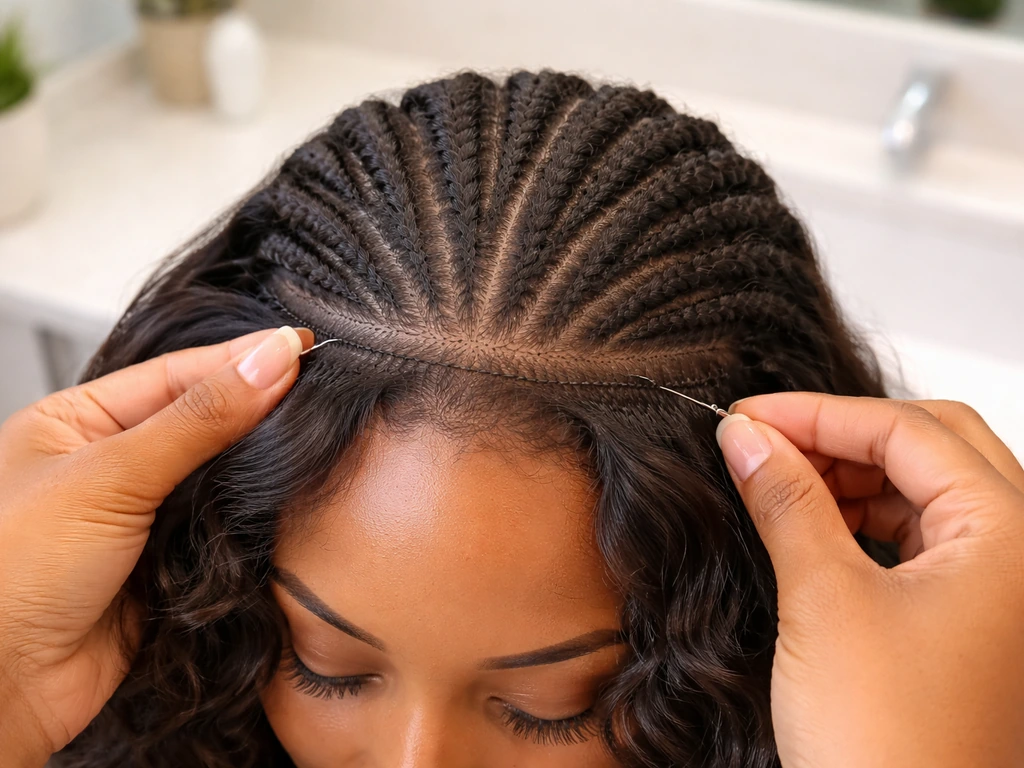
Growth vs. retention: what is actually happening under there
Hair grows from follicles in your scalp, not from the ends, and no protective style changes that biology. During the active anagen phase, which can last anywhere from 2 to 6 years, each strand grows at around 0.3 mm per day, or about 1 cm (roughly half an inch) per month. That is the same whether your hair is loose, braided, or hidden under a full sew-in. So the idea that weaves make your hair grow faster is a myth worth dropping right now.
What changes under a weave is your retention rate, meaning how much of that monthly growth you actually keep. When your natural hair is out and exposed daily to combing, heat, dry air, and rubbing against clothing, the ends break off at nearly the same rate as the roots are producing. A well-installed weave interrupts that cycle. The breakage slows, the growth accumulates, and after 6 to 8 weeks you take the weave down and notice noticeably more length. That length was always growing. You just stopped destroying it.
Choosing the right weave and understanding tension
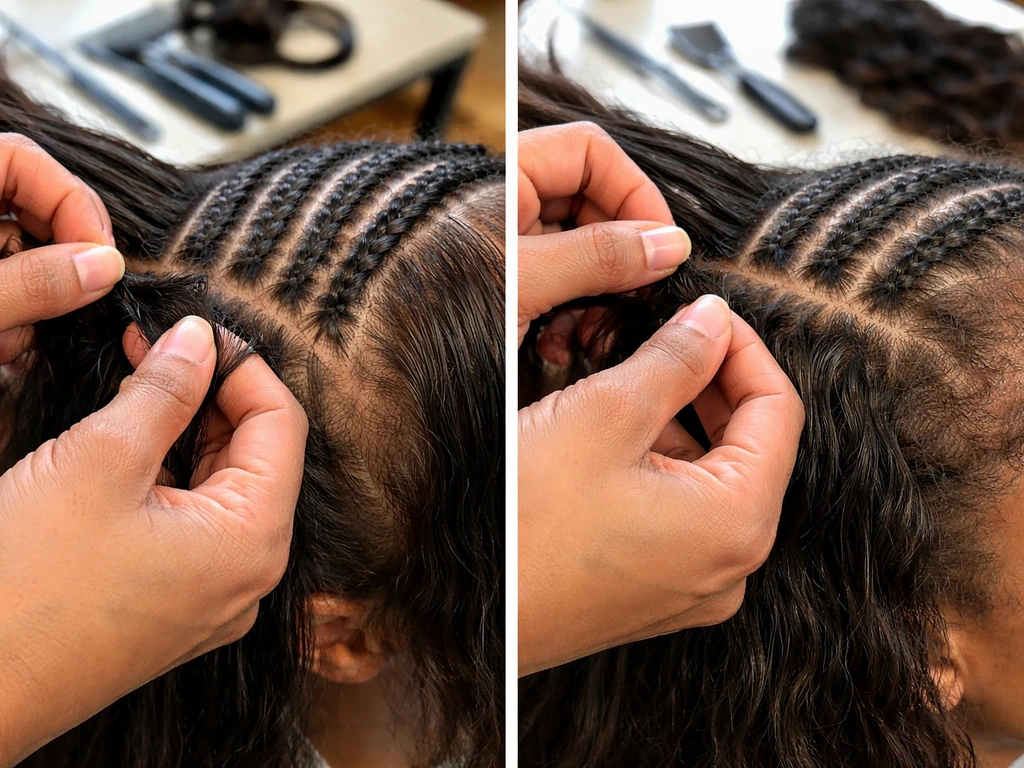
The style you choose and how it is installed will make or break your protective styling goals, literally. Traction alopecia, which is hair loss caused by prolonged or repeated tension on hair follicles, is one of the most common complications from weave styles. In early stages it is reversible, but chronic traction can lead to follicular scarring and permanent loss, particularly along the frontal and temporal hairline. The American Academy of Dermatology is clear: if you feel pain when your hair is styled, stinging on your scalp, or notice sections of scalp lifting up (called tenting), that tension needs to be corrected immediately.
For most people with textured hair, sew-in weaves on braided cornrow bases give the best balance of security and scalp access. Glued or bonded weaves put adhesive directly on the hair and scalp, which creates moisture barriers and causes significant damage during removal. Clip-ins are the lowest-risk option but less practical as a protective style. Quick weaves fall somewhere in the middle, since the cap method can protect your natural hair, but the bonding glue used near the hairline is a real tension and adhesive risk.
| Weave Type | Tension Risk | Scalp Access | Protective Value | Best For |
|---|---|---|---|---|
| Sew-in (cornrow base) | Medium if braids are flat and even | Good with leave-out management | High | Most protective style goals |
| Quick weave (cap method) | Low to medium | Limited | Moderate | Short-term wear, 2-4 weeks |
| Glued/bonded weave | High near hairline | Poor | Low | Not recommended for growth goals |
| Clip-in extensions | Low | Full | Low (short wear) | Special occasions, not daily |
| Tape-in extensions | Low to medium | Moderate | Moderate | Finer or looser textures |
Whatever style you choose, the braided base must lie flat, the parts should be clean and even, and no single braid should feel tight enough to create visible ridging or pulling at the root. Relaxed hair is especially vulnerable here because chemical processing already weakens the hair shaft, making it more susceptible to tension-related damage. StatPearls also notes that chemical relaxers and heat styling increase vulnerability of the hair and scalp to traction-related damage. If you have a relaxer, communicate that clearly to your stylist and insist on a looser tension at the hairline and part lines.
Getting the setup right before the weave goes in
A good weave install starts well before the first weft is sewn. Putting a weave over dirty or product-saturated hair traps buildup against the scalp for weeks, which leads to inflammation, dandruff, and weakened follicles. Use a clarifying or chelating shampoo before installation to remove silicone, oil, and mineral buildup. Follow with a deep conditioner, then make sure your hair is fully dry before braiding down. Moisture trapped under a weave cap or braided cornrow becomes a breeding ground for fungal growth.
- Clarify: Use a sulfate-containing or chelating shampoo to strip buildup. This is not the time for a co-wash.
- Deep condition: Apply a protein-moisture balanced conditioner for 20 to 30 minutes under heat. Your hair needs to go in strong.
- Dry completely: Blow-dry or air-dry fully before braiding down. Damp cornrows under a weave are a scalp health risk.
- Trim if needed: Remove split ends or significantly damaged sections before installation so damage does not travel up the shaft during wear.
- Braid tension check: Before leaving the salon, press gently on each part line. If pressing down relieves noticeable tension or pain, ask for it to be redone.
- Protect the hairline: The edges should not be braided all the way to the hairline. Leave a small perimeter of hair, and if you use edge control at install, choose something free of alcohol and heavy waxes.
Your daily and weekly routine while wearing the weave
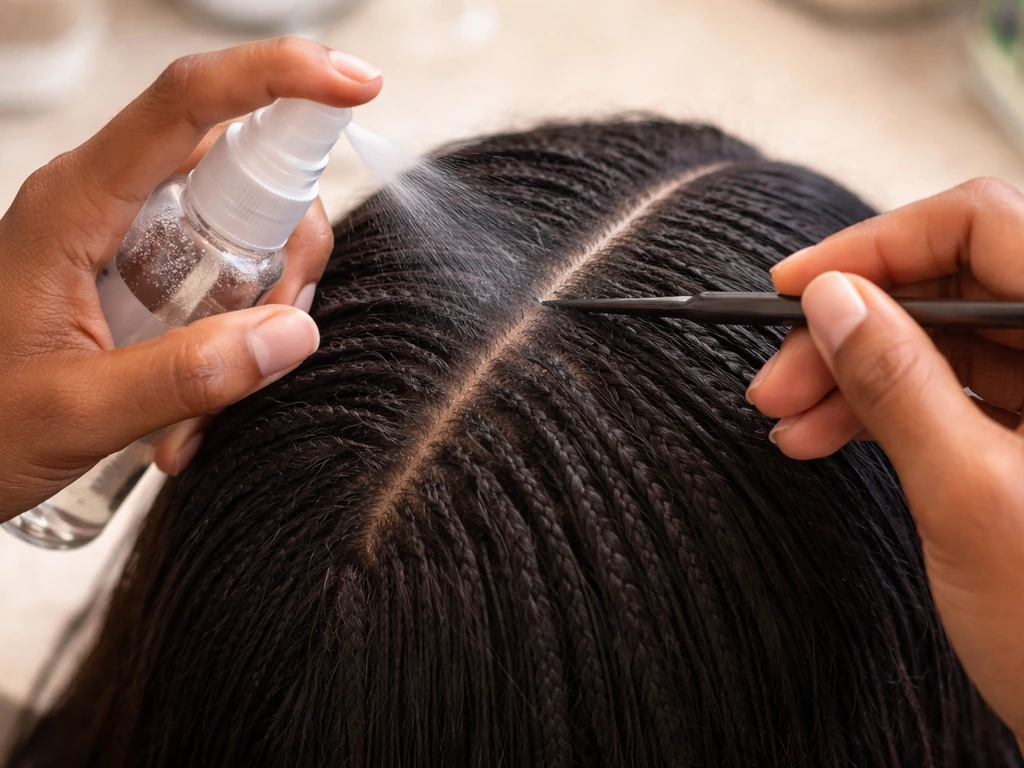
This is where most people drop the ball. They put in the weave, assume the job is done, and then wonder why their hair is dry and breaking when they take it down. Your natural hair under a weave still needs moisture, still needs scalp stimulation, and still needs to be protected from the inside out. The protective style only works if the hair underneath is actually being cared for.
Daily habits
- Apply a water-based leave-in or diluted moisturizer to your braids through the weave tracks every 1 to 2 days, focusing on the part lines and any exposed leave-out hair. A spray bottle with water and a lightweight moisturizer is the easiest method.
- Follow moisture with a sealant: a light natural oil like jojoba, grapeseed, or sweet almond oil locks in hydration without clogging follicles. Avoid heavy petrolatum or coconut oil on the scalp if you are prone to buildup.
- At night, wrap your weave and edges in a satin or silk scarf or use a satin pillowcase. Cotton absorbs moisture from both the weave and your natural hair and causes friction.
- Do not scratch your scalp with your fingernails. Use the soft end of a rattail comb or an applicator bottle to address an itchy scalp. Nails introduce micro-tears and increase infection risk.
Weekly scalp care
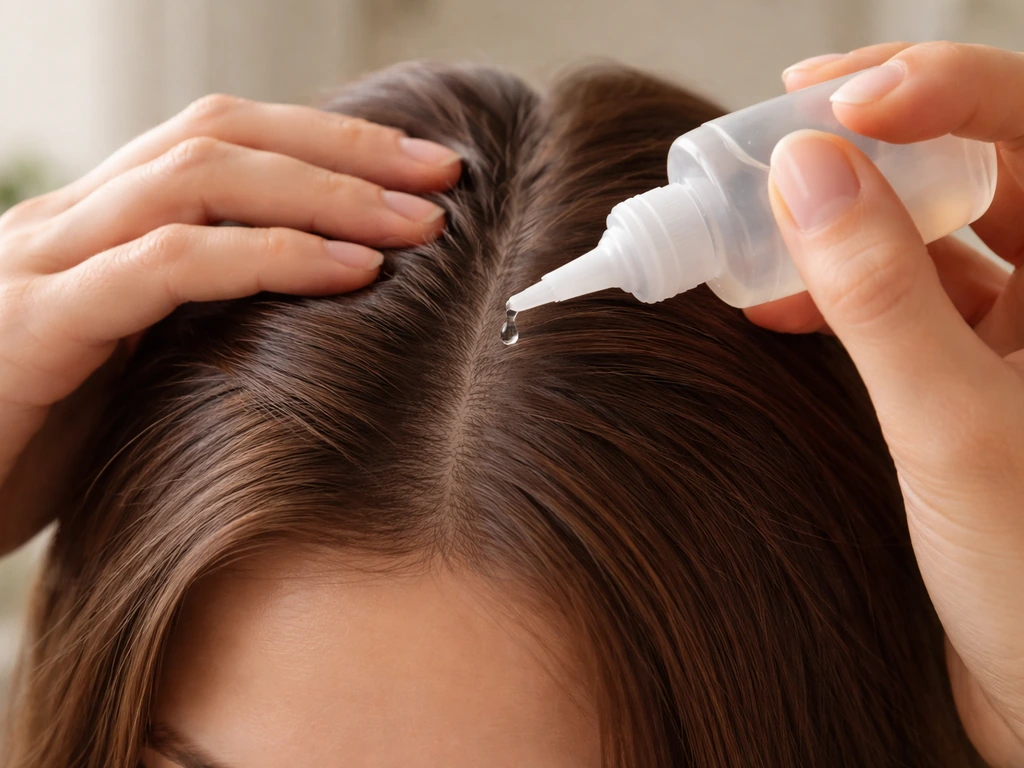
Once a week, use a scalp applicator bottle to apply a diluted scalp treatment directly to your part lines and scalp. Look for ingredients like tea tree oil (for its antifungal properties), peppermint oil (for circulation and a clean feeling), or salicylic acid at low concentrations for anyone prone to flaking. Do a gentle massage with your fingertips, not your nails, for 3 to 5 minutes. This stimulates blood flow to the follicles and helps prevent the itchiness that leads to aggressive scratching and subsequent breakage.
Wash and maintenance schedule
You need to wash your scalp while wearing a weave, full stop. Skipping washes for the entire duration of a 6 to 8 week install is one of the most damaging things you can do. Sebum, product residue, and sweat buildup on the scalp creates an environment that can lead to folliculitis (infected hair follicles) and a weakened scalp that breaks off hair at the root when you finally remove the weave.
- Week 1-2: Focus on scalp refreshing with your diluted scalp treatment and daily moisturizing. Avoid getting the weave very wet in the first week to let the install settle.
- Week 2-3: Do your first proper wash. Dilute a gentle sulfate-free shampoo in a bottle with water and apply directly to your scalp using an applicator tip. Work it into the scalp and braids without roughing up the weave. Rinse thoroughly in the shower with the water going downward, not scrubbing side to side.
- After washing: Apply conditioner to the weave hair itself and to any leave-out, then rinse. Use a light moisturizer on your braided base underneath.
- Every 2 weeks after that: Repeat the wash process. Most people can maintain a comfortable install washing every 10 to 14 days depending on sweat levels, product use, and scalp type.
- Dry thoroughly after every wash: Use a hooded dryer or sit under a diffuser. Going to bed with a wet braided base repeatedly will create mildew and scalp irritation.
How long to keep it in, and when to take it down early
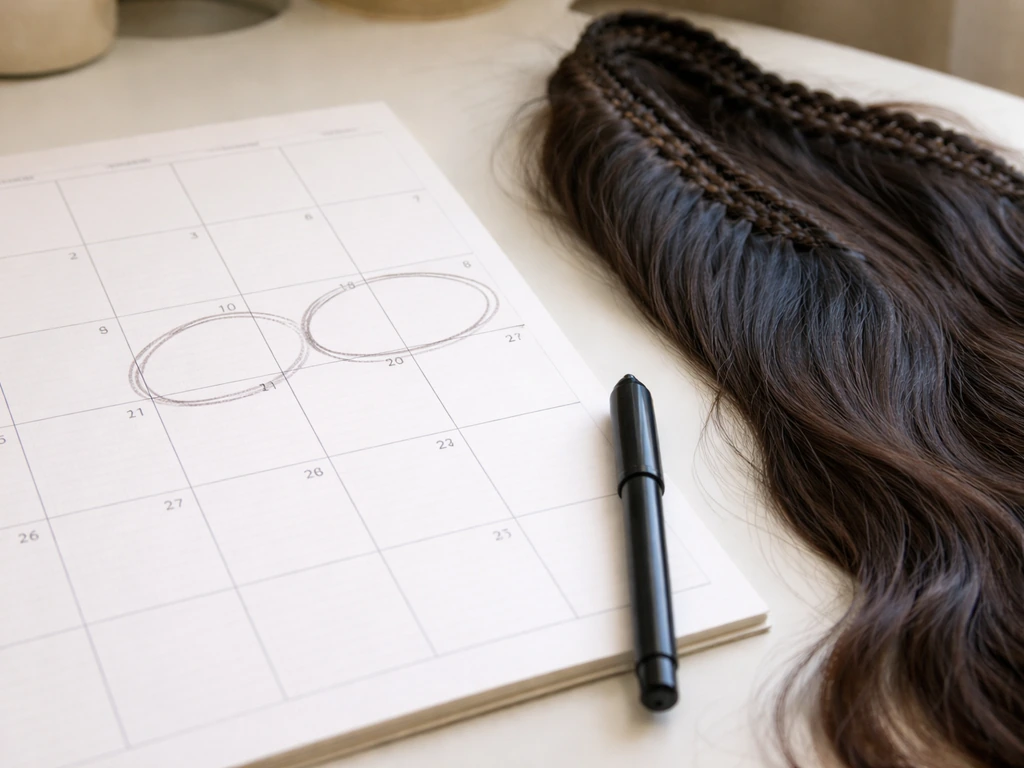
The sweet spot for most sew-in weaves worn for protective purposes is 6 to 8 weeks. Beyond 8 weeks, the braided base starts to mat and tangle with the new growth, making detangling at removal significantly more traumatic and increasing the risk of breaking off the very growth you were trying to retain. Some people push to 10 or 12 weeks, which can work if the hair was installed very flat, the braids are not matting, and the scalp is being actively maintained. Past 12 weeks, the risks consistently outweigh the benefits.
Removal is just as important as installation. Take down the weave with patience, sectioning and detangling before any braids are unraveled. After removing the wefts, apply a detangling conditioner or oil to each cornrow before unbraiding it. Never rip out a braid dry.
Remove the weave early if you notice any of these
- Persistent pain or tenderness at the scalp, especially along part lines or the hairline
- Visible hairline recession or thinning at the temples, nape, or frontal edges (the areas most vulnerable to traction alopecia)
- Redness, bumps, or pus-filled follicles along the scalp or hairline
- Tenting: sections of scalp visibly lifting or pulling upward when you move your head
- Significant matting or locked-together sections of braided hair underneath the weave
- An itching or burning sensation that does not resolve with scalp treatment within a few days
Pain when a style is pulled is not something to push through. The American Academy of Dermatology recommends changing or loosening the style immediately if you feel pulling pain, stinging, or tenting. Early-stage traction alopecia is reversible. Chronic cases, where repeated tension over months and years leads to follicular scarring, can result in permanent hair loss. If adjusting the style does not help and you are noticing hairline recession that is not bouncing back, see a dermatologist. There are treatment options, but the sooner you act the better the outcome.
Natural vs. relaxed hair: what changes and what to watch for
Natural and relaxed hair both benefit from protective weave styling, but the risks and maintenance needs differ in a few important ways. Relaxed hair has been chemically processed, which breaks down the protein bonds in the hair shaft and leaves it structurally weaker than unprocessed hair. This means relaxed hair is more susceptible to tension damage, particularly at the line of demarcation where new growth meets processed hair. If you are relaxed and wearing a weave, you need to be especially careful about braiding tension and about scheduling your relaxer touch-ups correctly. Do not relax hair immediately before or immediately after a weave install. Give your hair at least one to two weeks on either side.
Natural hair, especially tightly coiled 4a through 4c textures, is prone to hygral fatigue and tangling underneath a weave because the curl pattern makes it easy for strands to interlock during weeks of low manipulation. Keeping natural hair well-moisturized (which usually means more frequent moisture application, not less) and braided in a pattern that allows for some movement prevents the nightmare detangling session when the style comes down. The common mistake with natural hair is assuming protective means hands-off. Your curls still need water and moisture even when they are hidden.
Mistakes that undo all your protective styling work
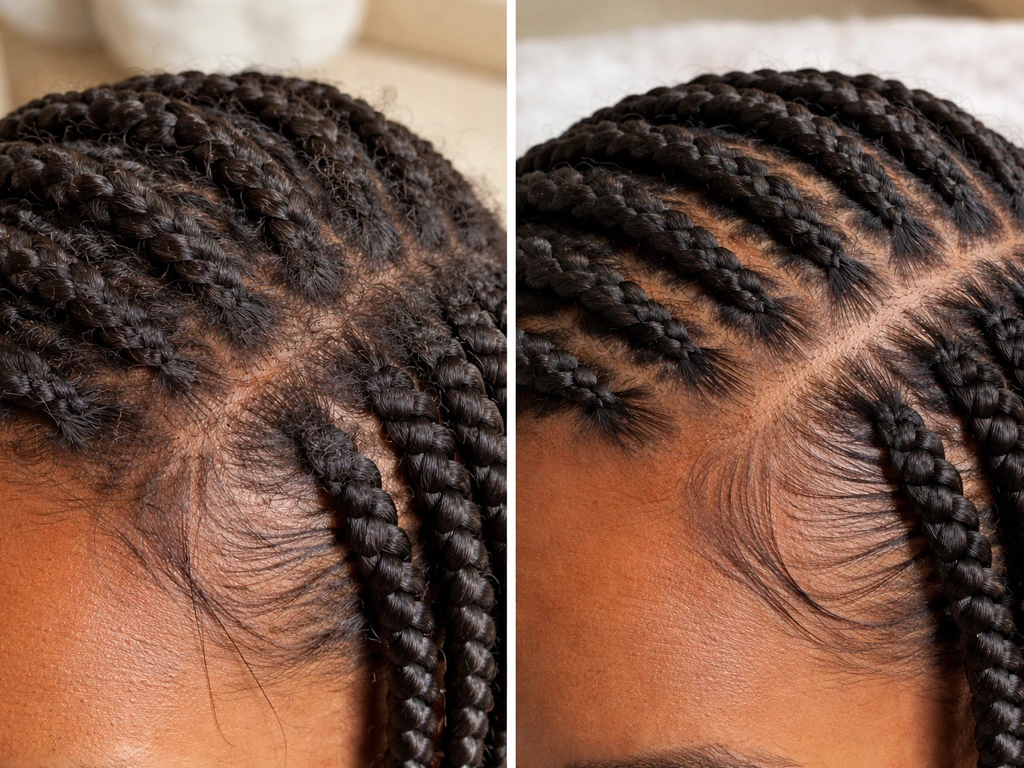
- Keeping the weave in too long (past 8 to 10 weeks) and letting the braided base mat into the new growth
- Skipping the wash schedule because you do not want to disturb the style
- Installing over dry, unconditioned hair and then neglecting moisture entirely during wear
- Pulling your leave-out hair tightly with a flat iron daily to blend with the weave, causing heat and tension damage to the most vulnerable section
- Getting a relaxer touch-up while a weave is installed, then wondering why there is breakage at the demarcation line
- Using heavy grease or petroleum-based products directly on the scalp under a weave, which blocks follicles and creates buildup
- Going right from weave removal back into another tight style without giving the hair a rest and treatment period of at least 1 to 2 weeks
What to use and what to look for in products
You do not need an elaborate 15-step routine under a weave, but you do need the right categories of products. For moisture, look for water-based leave-ins and sprays with humectants like glycerin or aloe vera. For sealing, lightweight oils like grapeseed, jojoba, or argan are better choices than coconut oil or shea butter for most scalp types, since they absorb quickly and do not build up as fast. For scalp health, a diluted scalp serum or treatment with tea tree, peppermint, or salicylic acid addresses itching and microbial buildup. For cleansing, a gentle sulfate-free shampoo diluted in water protects the braids while still cleaning the scalp. And for detangling at takedown, a thick slip conditioner or detangling cream applied section by section while the hair is damp will save you significant breakage. Wavy cap hair is typically grown in long strands, and knowing the source helps you choose the right length for your install where do wavy caps grow.
The bigger picture here is consistency. Hair growing at 1 cm per month will give you real, visible length retention over the course of a 6 to 8 week install if you protect the ends, moisturize the strands, keep the scalp clean, and avoid the tension traps. That is the entire plan. The weave is a tool, not a magic fix, and the hair that comes out healthy when you take it down is the hair you put in healthy and took care of throughout.
FAQ
If I want to grow hair with a weave, should I prioritize a particular type of part (middle, side, closure, or full lace)?
Choose a closure or parting that lets you access your scalp without lifting the hairline. If you cannot reach your part lines comfortably for massage and scalp cleansing, you are more likely to skip the routines that drive retention (washing, moisture, and diluted scalp treatment).
How soon after taking down the weave should I detangle and wash to avoid losing the new growth?
Plan for at least one full detangling session immediately after takedown. If your goal is growth retention, the biggest risk is breakage during removal, so you should detangle while the hair is damp with a thick slip conditioner section by section before you unravel cornrows.
What should I do if my scalp gets itchy or develops dandruff-like flakes while wearing a weave?
If your scalp is itchy or you see flaking that keeps returning, use the diluted scalp treatment more consistently for 2 to 3 weeks and keep washes scheduled during the sew-in. Persistent symptoms can mean irritation or folliculitis, and in that case you should get medical advice before continuing protective styling at the same tension.
Can I moisturize the hair underneath a weave without removing it, and if so how often?
Yes, but do it in a way that does not interfere with tension and scalp access. Stick to gentle, quick refreshes on the hairline and part areas (a light water-based mist plus leave-in), and avoid soaking the tracks or adding heavy oils that can cause buildup and itch under the install.
Is it okay to install another weave immediately after removal to keep my hair protected?
Avoid changing installs back-to-back without a break if your scalp needs recovery. A common retention killer is stacking protective styles while your scalp is inflamed, so consider a short down period for cleansing and conditioning before the next weave, especially after a long or tight 8 week install.
How do touch-ups (relaxer or coloring) fit into a weave routine if I want to maximize hair retention?
Yes, but timing matters. If you relax or process, keep new-growth and line-of-demarcation care in mind, and do not relax right before or right after an install. Give a buffer of at least 1 to 2 weeks on each side so the hair is stronger and the scalp is less reactive.
When should I remove a weave early even if the style feels secure?
If you have a tender hairline, stinging, or visible tenting, the safest move is to loosen or change the style right away rather than extending the install length. Ongoing tension can cause early traction changes that become harder to reverse the longer you continue the same tension.
What’s the best way to moisturize under a weave if my scalp gets greasy or I get buildup easily?
To reduce breakage, use a moisturizing leave-in that contains water-based ingredients, then seal lightly with a fast-absorbing oil if your scalp tolerates it. Over-sealing with heavy products under a weave increases buildup, which can worsen itching and lead to more scratching and breakage.
How can I tell during installation whether my braids are too tight for hair growth retention?
If you notice the braids are raised, ridged, or pulling at the roots, ask your stylist to re-braid with flatter placement and lower tension at the hairline and part lines. Healthy retention often starts with correcting those details before the first weft goes in.
How much can I check or touch my hair while a weave is installed without hurting growth?
If your goal is growth retention, aim for gentle daily or near-daily scalp comfort and limited product handling rather than detangling constantly. If you regularly disturb the hairline and parts to “check” it, you can create friction and weaken new growth before takedown.
Next Article
Where Do Wavy Caps Grow? Habitats and Best Timing
Learn where wavy caps grow and when to find them by habitat, weather cues, ID tips, and safe foraging steps.