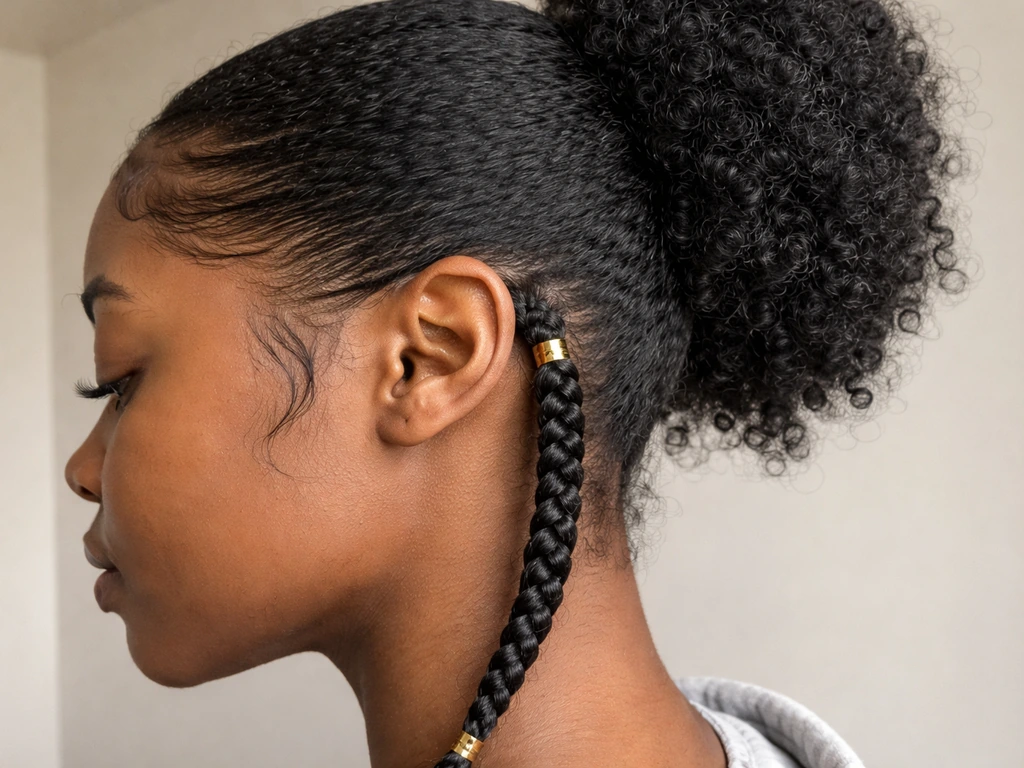
Your hair grows about 1 cm (roughly half an inch) per month no matter what style it's in. Braids don't speed that up. What they can do is stop you from losing the length you're already growing, because your ends aren't rubbing on collars, getting tangled, or snapping off from daily manipulation. That's the real deal with braids and growth: it's about retention, not acceleration. So if your goal is to grow your hair long enough for braids, or to come out of braids noticeably longer than when you went in, the plan is to protect what your scalp is already producing every single month.
How to Grow Your Hair for Braids: Length, Growth, Care Plan

Simone Okonkwo
27 May 2026
Hair growth vs. length retention: what braids can and can't do
It's worth being really clear on this because a lot of people get disappointed when they take out their braids and their hair doesn't look dramatically longer. Hair growth is a biological process controlled by your follicles. Each follicle cycles through growth (anagen), transition (catagen), and rest (telogen) phases largely on its own schedule. At any given time, about 85 to 90 percent of your follicles are actively growing, pushing out roughly 0.35 to 0.5 mm of new shaft per day. That math works out to approximately 1 cm per month, or about 6 inches per year. No product, style, or supplement changes that rate in any meaningful way for someone with healthy follicles.
What braids change is how much of that growth you actually keep. Textured and coily hair is especially prone to mechanical breakage because the tight curl pattern creates weak points along the shaft where strands can snap. Daily detangling, re-styling, friction from clothing and pillowcases, and heat styling all chip away at your ends before they have a chance to accumulate length. Braids reduce almost all of that. The best protective style to grow hair is one that prioritizes length retention by keeping your ends protected and minimizing breakage. When you keep your ends tucked and leave your hair largely undisturbed, you retain more of each month's growth. Over a 6 to 8-week set, that's a real, measurable difference in retained length.
The flip side is that braids can also cause you to lose length if they're installed with too much tension or left in too long. Traction alopecia, which is hair loss caused by repeated mechanical stress on the follicle, is directly linked to tight hairstyles including braids and cornrows. Medical News Today similarly describes traction alopecia as hair loss from tightly pulled hairstyles and notes signs like inflammation and skin changes such as itching, redness, or painful lesions. If you want cornrows to support your goals, follow a routine for tension control and in-braid care so your hair can keep accumulating length how to grow hair in cornrows. In early stages it's reversible, but permanent follicle damage is possible if the tension continues. So the protective benefit of braids is real, but it's not automatic. How you install, care for, and remove them determines whether you come out ahead.
Set your hair up before you braid
What you do in the week before your braiding appointment matters more than most people think. Going into a braid install with dry, tangled, or already-compromised hair is a setup for breakage at the root when tension is applied, and it makes the takedown harder too.
Cleanse the scalp first
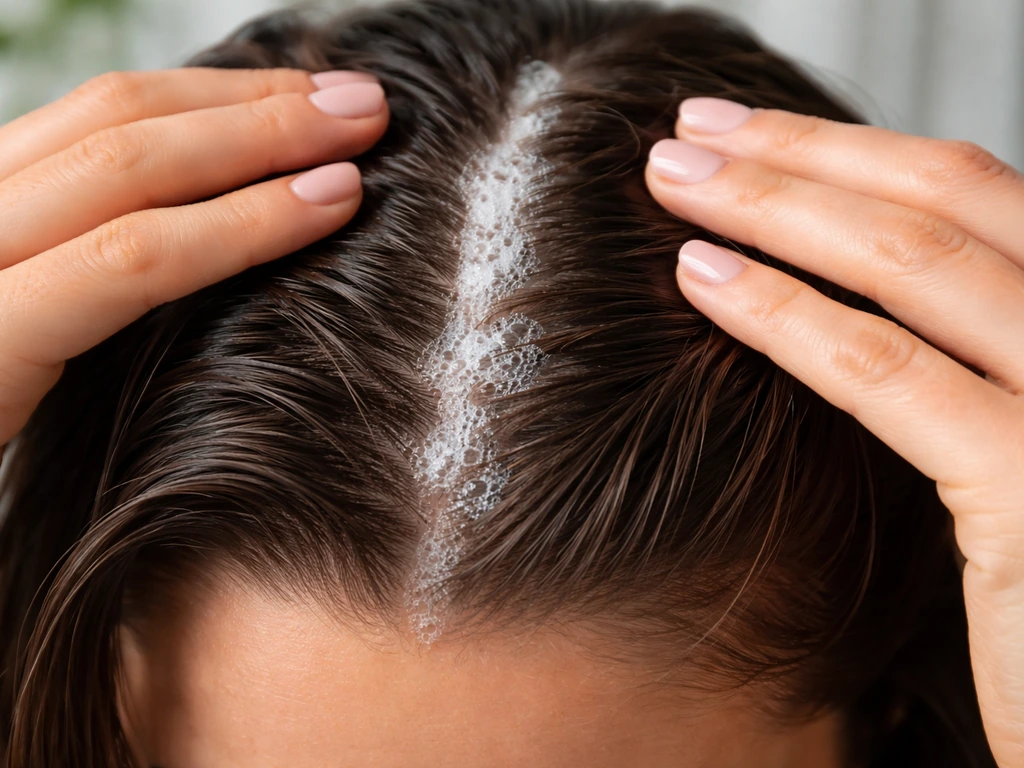
Start with a clean scalp. Product buildup, sweat, and sebum can clog follicles and contribute to scalp irritation under a style you're about to leave in for weeks. Use a clarifying or sulfate-free shampoo depending on your scalp's sensitivity, and focus the shampoo on your scalp, not your lengths. A clean scalp going in also means you won't need to cleanse as aggressively while the braids are in.
Deep condition and lock in moisture
Follow up with a deep conditioning treatment, especially if your hair is color-treated, heat-damaged, or naturally fine. Dry, brittle strands are far more likely to snap at the point where braids are anchored near the root. After rinsing out your conditioner, apply a leave-in conditioner and a light sealant oil (like jojoba, grapeseed, or a light argan oil) to your lengths. You want your hair to go into the install with a good moisture foundation because it will be harder to deliver that same level of moisture once braids are in.
Detangle carefully and completely
Detangle section by section while your hair is still damp and slippery from conditioner. Work from ends to roots with a wide-tooth comb or your fingers. Knots and single-strand tangles that go into a braid install don't come out nicely; they tighten and can cause localized breakage over the weeks you're wearing the style. Take your time here.
Skip the trim if your hair is already short, but address splits if they're there
If you're growing your hair out specifically to reach a length threshold for braids, this isn't the time for a big trim. But if you have significant split ends that are actively splitting further up the shaft, a light dusting (removing only a quarter inch or less) will stop that damage from traveling. Leaving severe splits in under a protective style just means more breakage when you take the braids down.
Styling choices that actually support growth

The way your braids are installed has a direct impact on whether you come out of them with more length or less. These aren't just aesthetic choices.
Tension: the most important variable
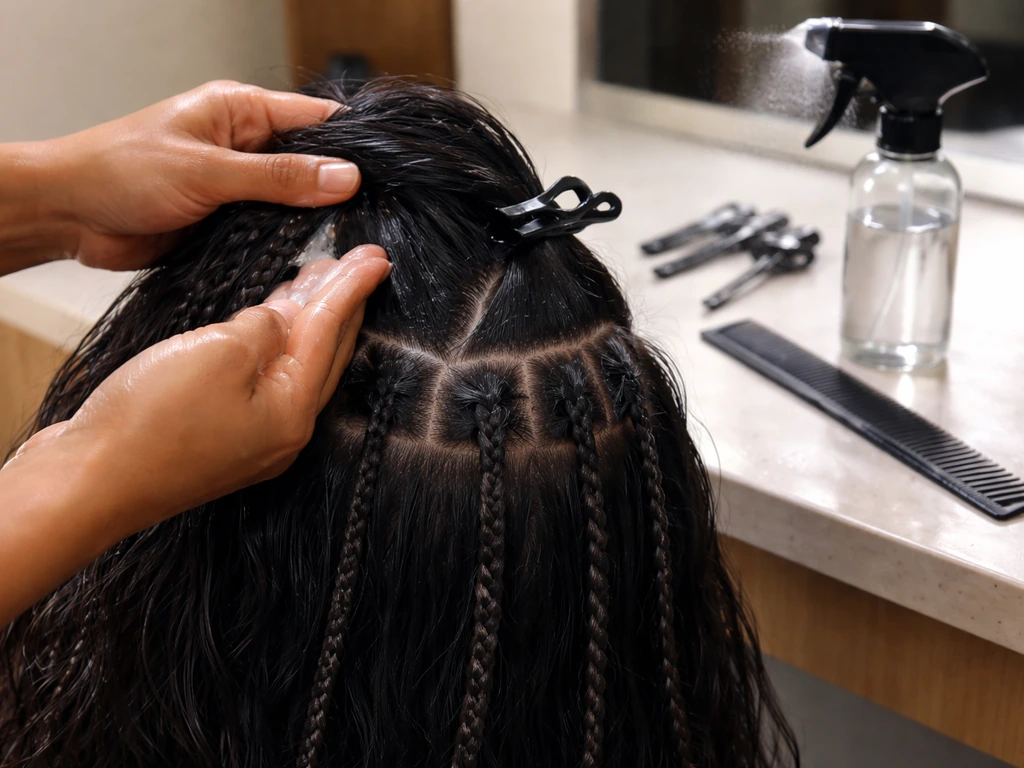
Tight braids feel secure and look neat, but tension is the primary mechanism behind traction alopecia. If your scalp feels sore, you have a headache after install, or you can see small bumps or pimples along your hairline, those braids are too tight. This isn't just discomfort; it's a warning that mechanical stress is being applied to your follicles. As dermatologist Dina Strachan has noted, braids can be fine for your hair if they're not too tight and you don't leave them in too long. Both conditions matter. If your braider regularly installs too tightly, it's worth having a direct conversation about tension, or finding someone who installs with a lighter hand.
Braid size and starting point
Larger box braids and looser styles generally put less tension on individual sections of hair than very small, tight cornrows installed across the whole scalp. If you're already dealing with thin edges or shedding, larger braids are the safer choice. Also ask your stylist to start braids slightly away from the hairline rather than right at the edge; your edges are the most fragile section of your hair and the area most vulnerable to traction damage.
Protect your parts
The parting pattern matters too. Wearing the exact same part in the same location repeatedly concentrates tension in the same spots, which can cause breakage along those lines over time. If you wear cornrows frequently, alternate the direction and parting pattern with each install.
What to do while your braids are in
Having braids in doesn't mean your hair routine stops. It just changes. Neglecting your hair under braids is one of the main reasons people take down a protective style and find their hair in worse shape than when they started.
Moisturize your scalp and hairline regularly

Your scalp is still producing sebum, and your new growth still needs moisture, but the braids make it harder for oils to travel down the shaft. Use a lightweight scalp oil (like rosemary oil, jojoba, or a diluted peppermint blend) directly on your scalp between braids every few days. Apply it with a dropper bottle for precision. Focus on the hairline and any areas that feel tight or dry. Avoid heavy, greasy products that sit on the surface without absorbing; these just build up.
Cleanse your scalp at least once a week
This is the step most people skip because they're afraid of frizzing up their braids, but dermatologists are consistent on this: buildup from installation products (gels, edge controls, moisturizers) accumulates on the scalp and can contribute to irritation and follicle issues. Aim to cleanse your scalp at least once a week. You can do this with a diluted shampoo applied through a nozzle applicator directly to the scalp, or with a witch hazel-based scalp toner on a cotton pad run along your parts. Follow with a light oil or leave-in mist.
Keep your length moisturized too
Your actual hair inside the braids (not just your new growth) can get dry and brittle if you ignore it. A light water-based moisturizing spray or leave-in mist applied to the length of your braids a few times a week helps. You don't need to saturate the braids; just mist lightly and follow with a sealing oil if needed. This keeps the hair you have (especially your ends) from becoming dry and prone to breakage at takedown.
Watch for warning signs and act on them
Persistent itching, redness, scalp tenderness, or visible skin changes are signals you should not ignore. These can point to tension that's too high, buildup, or an allergic reaction to synthetic hair or products. If symptoms persist after cleansing, or if you notice changes in skin color along your hairline or at the roots, remove the style sooner rather than later. Continued tension on an already-irritated follicle can cross the line from temporary discomfort into lasting damage.
Realistic timeline: how long it takes to grow hair for braids
If you're trying to figure out how long you need to wait before your hair is long enough for braids, or how much length you can expect to gain during a braid set, here's a straightforward breakdown based on the actual growth rate of about 1 cm per month. If you're aiming for a jedi braid specifically, focus on the same retention rules: keep tension comfortable and protect your ends so the growth you do get stays put braid set.
| Starting length / Goal | Approximate time needed | Notes |
|---|---|---|
| TWA (teeny weeny afro, under 2 inches) to box braid length (~3–4 inches) | 6 to 12 months | Depends on whether you want braids with extensions or without; extensions can be used at almost any length |
| Shoulder length to mid-back (for longer styles) | 12 to 24 months | Retention matters most here; protective styling during this phase is especially useful |
| New growth during one braid set (6–8 weeks) | 1.5 to 2 cm of new shaft | Based on ~1 cm/month; you'll see new growth at the root, not added length at the ends |
| Protective style cycle of 6 months (wearing braids off and on) | Potentially 3–6+ cm of retained length | Highly variable based on breakage rate, tension, and in-braid care |
One thing worth noting for people with tightly coiled (type 4) hair: your hair may appear to grow more slowly than it actually is because of shrinkage. Coily hair can shrink 50 to 75 percent of its actual length when dry. This doesn't mean your hair isn't growing; it means the growth is less visually obvious until you stretch it. Braids, because they stretch the hair as it grows, can actually make new growth more visible than you'd see in a wash-and-go.
If you're growing hair specifically to reach the minimum length required for braids without extensions, most braiders need at least 2 to 3 inches of hair to work with, though this varies by style. If you're wondering how to grow braids for guys from scratch, start by measuring the minimum length your braider needs and matching your braid style to your hair texture. Knotless box braids typically need a little more to anchor properly. If you're starting from a very short cut, expect 3 to 6 months before you have workable length, and use that time to build healthy hair habits. To learn the specific braiding and care steps that make this easier, see our guide on how to grow out your hair with box braids.
Avoiding breakage so the length you grow actually stays
Breakage is the enemy of length retention. You can be growing a centimeter every month and still look like your hair isn't moving if your ends are snapping off at a similar rate. Here are the most common mistakes that cause this and what to watch for.
- Leaving braids in too long: Braids are generally safe for 4 to 8 weeks. Beyond that, your new growth at the root starts to tangle and loc around the base of the braid, which causes significant breakage at takedown. Extended wear past 8 to 10 weeks is one of the most common reasons for setbacks.
- Installing on dry or fragile hair: Going into an install without proper moisture means the tension of braiding pulls on already-brittle strands. This causes immediate root breakage, often most noticeable at the edges.
- Too-small parts or too-tight tension: Both concentrate stress on fewer strands. If you can see your scalp clearly through thin sections at each part, the sections may be too small for how much hair you have.
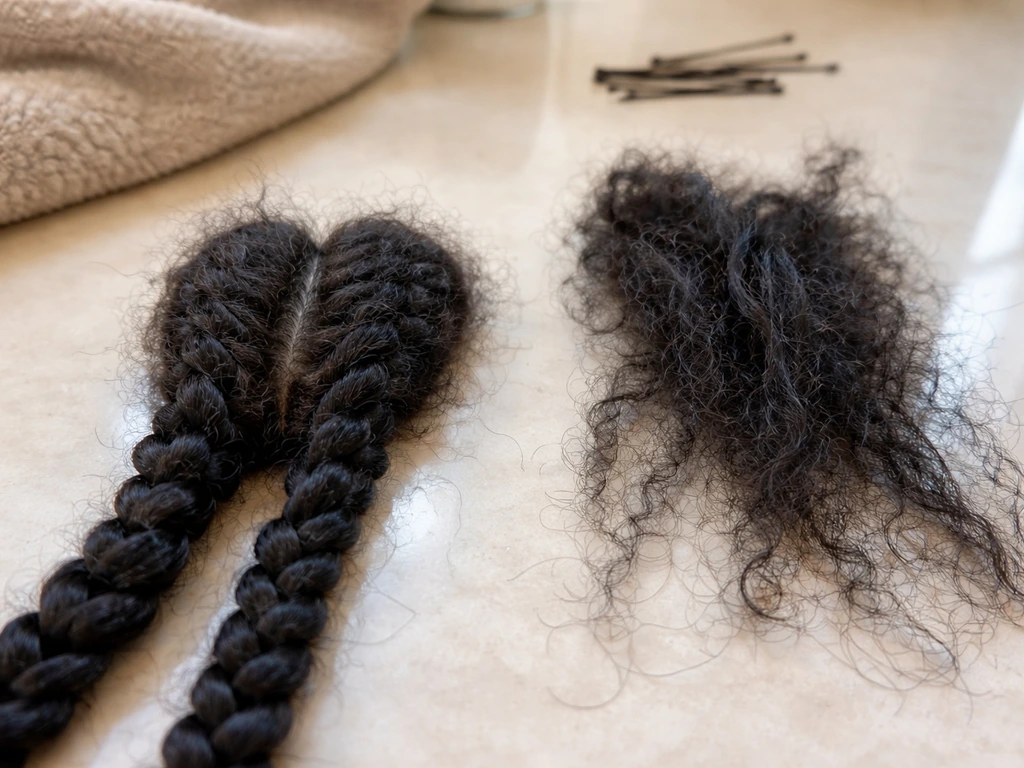
- Rough takedowns: Taking braids out while dry or yanking through tangled new growth snaps the hair you spent weeks growing. Always remove braids while the hair is saturated with a detangling conditioner or oil, working slowly from the bottom up.
- Ignoring your edges: The hairline is the first to show traction damage and the last to recover. Avoid styles that pull hard on the front and sides, and take down any style immediately if your edges start thinning or you see bumps along the hairline.
- Skipping scalp care in between: Buildup from gels and heavy products can contribute to scalp inflammation that compromises the follicle environment over the weeks a style is in.
If you're noticing thinning at the hairline, receding edges, or patchy areas that weren't there before, don't just assume it'll bounce back. Early traction alopecia is reversible if you stop the tension early; follicle damage from prolonged traction can become permanent. If symptoms persist after removing the style, see a board-certified dermatologist.
Optional add-ons that can (actually) support your growth
There's a lot of noise around supplements and oils for hair growth, so here's an honest breakdown of what has real evidence behind it and what doesn't.
Supplements: only useful if you have a deficiency
Biotin is the most heavily marketed hair supplement, but the evidence doesn't support taking it for hair growth unless you're actually biotin-deficient, which is rare. The NIH is clear that there's limited scientific evidence to support biotin supplements for hair growth in people without a deficiency. Iron deficiency, on the other hand, is more common (especially in women with heavy periods) and is genuinely linked to increased shedding. Low vitamin D levels have also been associated with hair follicle disruption in some research. If you're experiencing noticeable shedding or stalled growth, a blood panel checking ferritin, vitamin D, and thyroid function is a much better starting point than a hair gummy. Supplement based on what your levels actually show, not on marketing.
Scalp oils and topical treatments
Scalp massage with light oils (rosemary oil in particular has some preliminary research supporting its use for hair growth, though evidence is still building) can support scalp circulation and maintain a healthy follicle environment. Use a few drops of rosemary oil diluted in a carrier oil like jojoba, applied directly to the scalp 2 to 3 times per week. The key word is scalp, not lengths. Piling heavy oils onto the hair itself doesn't grow hair; it can just create buildup. A light hand is always better than a heavy one when it comes to oils on natural hair.
Protecting your edges and avoiding heat
If you use any heat styling before or after a braid install (to smooth hair for install or to style takedown hair), use a heat protectant and keep temperatures below 350°F for textured hair. Repeated direct heat on already-stretched and tension-stressed strands adds cumulative damage. Most people growing their hair for braids are better off avoiding heat entirely during active growth phases and opting for roller sets, banding, or wet styling to stretch the hair before or after install.
When to call in a professional
If you're dealing with scalp irritation that doesn't resolve after cleansing, visible thinning that isn't rebounding after a few months of rest, or significant shedding beyond the normal 50 to 100 hairs per day, it's time to see a dermatologist rather than try another product. A scalp issue that gets ignored under multiple rounds of protective styling can turn a temporary setback into a long-term problem. Getting a professional assessment is always faster and cheaper in the long run than DIY-ing a scalp condition for a year.
The bottom line is that growing your hair while wearing braids is achievable, but it's not passive. If you follow a protective-style routine that prioritizes retention, you can learn how to grow your hair with protective styles without losing what you have. If you want a more specific guide, the steps for how to grow a padawan braid focus on protecting your ends while keeping tension low. It requires a good install, consistent in-braid care, a reasonable wear schedule, and a careful takedown. Do those things consistently, and your hair will quietly accumulate length every month while it's protected. Skip them, and the braids that were supposed to help you grow can end up setting you back.
FAQ
How often should I get braids if my goal is maximum length retention?
Many people do best with 6 to 8 weeks, then a full reset (wash, deep condition, trim if needed, and thorough detangle) before reinstalling. Going longer than your scalp can tolerate increases the risk of traction and makes takedown rougher, which can lead to end breakage.
What should I do if my braids feel tight after the first few days?
Don’t wait weeks. If soreness persists beyond the first 48 hours or you notice new bumps, pimples, or a pulling sensation at the hairline, contact your braider to loosen specific rows or sections. Early adjustment is much easier than trying to reverse traction later.
Can I wash my scalp while the braids are in without ruining the style?
Yes. Use a diluted shampoo applied directly to your scalp (for example, with a nozzle applicator), then rinse thoroughly. Focus on the parts and hairline, let braids dry completely, and reapply only a light leave-in or scalp oil afterward to prevent buildup and irritation.
How do I moisturize braids without causing frizz or buildup?
Mist the braids lightly with a water-based leave-in or moisturizing spray a few times per week, then seal only the lengths with a small amount of lightweight oil if you need it. Avoid heavy creams and repeated layering, because they can accumulate on the scalp and roots even when the braids look fine.
Should I oil my scalp daily or only sometimes?
Between-braid scalp oiling every few days is typically enough. More frequent can cause product buildup, especially if you use multiple products. If your scalp feels coated or itchy, reduce the amount and switch to a lighter application.
Do I need to re-tighten braids as they loosen naturally?
Only if they become uneven or start pulling because of hair shrinkage, but be cautious. “Re-tightening” often increases tension, which raises traction risk. If you feel pulling, ask for adjustments that reduce tension rather than add it.
Is it better to use knotless or traditional box braids for growing hair?
Knotless often distributes tension more gradually and can feel more comfortable at the start, but the real determinant is installation tension and how long you keep them in. If you have thinning edges, either style can work if your braider avoids tight anchoring and leaves you with comfortable, non-sore roots.
How can I tell if I’m getting traction alopecia versus normal shedding?
Normal shedding is hair with a tiny bulb at the end and no pattern. Traction-related shedding often comes with hairline thinning, reduced density around edges, scalp tenderness, or patchy gaps where braids sit. If thinning continues for weeks after takedown, get a dermatologist check.
Should I trim before or after braids to protect my ends?
If you have split ends traveling up the shaft, do a light dusting before install or during a short “reset” between styles (not a big haircut). Keep it minimal (about a quarter inch or less) so you don’t lose braid-ready length before your next appointment.
What’s the best way to sleep with braids to prevent breakage?
Use a satin bonnet or satin pillowcase and keep your braids from rubbing against cotton surfaces. Tie or band the braids loosely to prevent them from tangling overnight, especially at the nape and along the hairline.
Will braids make my hair grow faster, or just help it look longer?
Braids do not change the biological growth rate (it still averages about 1 cm per month). They mainly help length retention by reducing daily manipulation and friction, so the hair you grow is less likely to snap off before you see it.
Next Article
How to Grow a Jedi Braid: Step-by-Step Growth Guide
Step-by-step guide to install and maintain a Jedi braid for Black textured hair, protect edges, reduce breakage, grow le