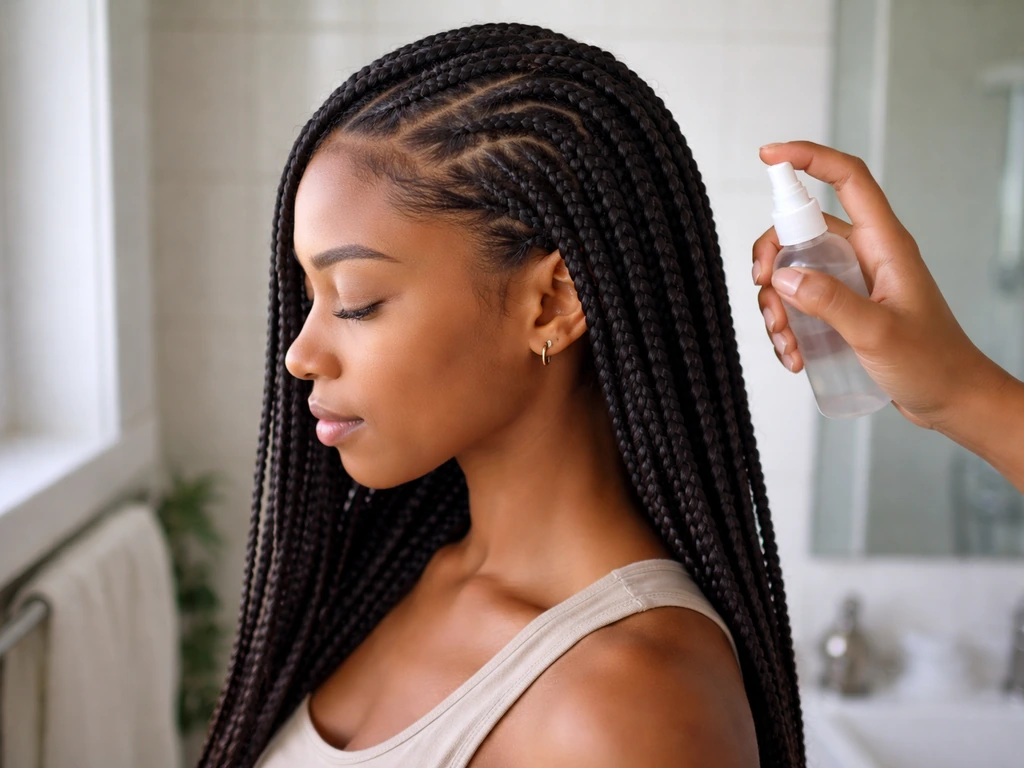
Braids, specifically box braids or single braids installed at a low to medium tension, are the most consistently reliable protective style for retaining length on natural and textured hair. They tuck your ends away, reduce daily manipulation, and can stay in for four to eight weeks without requiring you to disturb your strands. That said, "best" is not a one-size answer. The right protective style depends on your hair's density, porosity, shrinkage level, and how much maintenance you are realistically willing to do. This guide will help you figure out exactly which style fits your situation and how to make it actually work.
What Is the Best Protective Style to Grow Hair?

Simone Okonkwo
10 Jul 2026
What "best" actually means when it comes to protective styling and growth
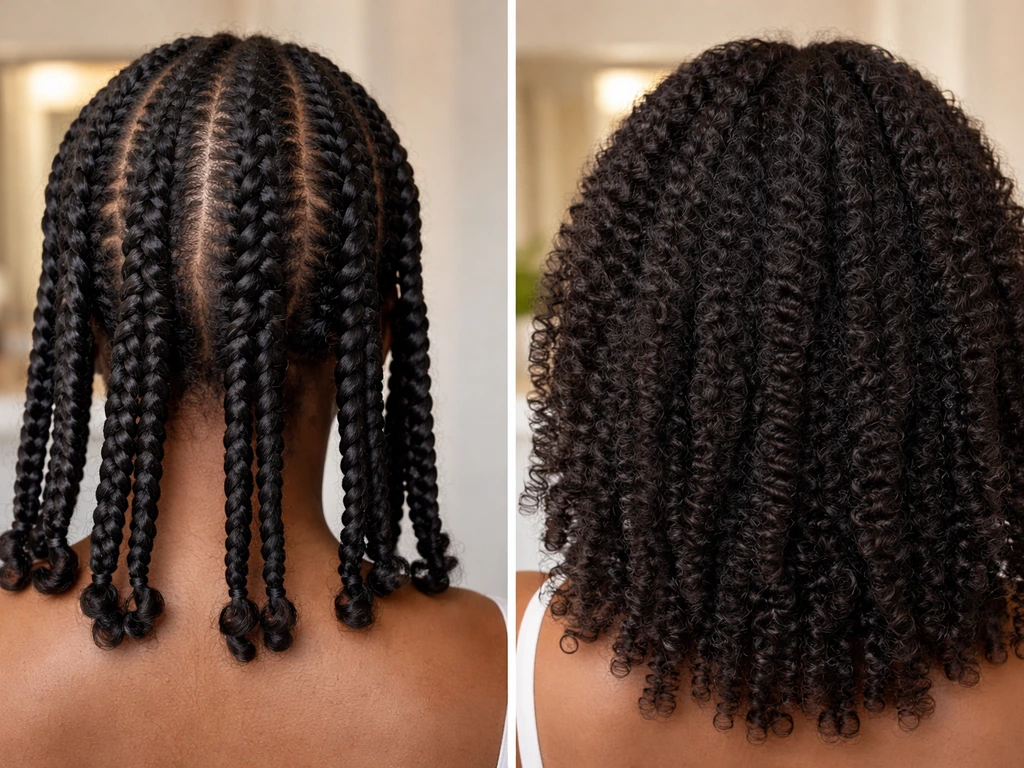
Here is the most important thing to understand before you try any protective style: no hairstyle speeds up how fast your hair grows out of the scalp. Your follicles grow hair at roughly half an inch per month regardless of what is sitting on top of your head. What protective styles do, when done well, is dramatically reduce the breakage that steals that growth before you can see it. Most people with textured hair are not growing slowly. They are breaking off inches at the ends every few months from dryness, friction, and manipulation. A protective style solves that by keeping ends tucked, limiting how often you touch your hair, and creating an environment where the length you already grew can actually stick around. That is retention, and it is the whole game.
The "best" protective style, then, is whichever one you can install without excessive tension, maintain with consistent moisture, wear for a reasonable amount of time, and remove without causing damage. A style you neglect, or one installed so tightly it gives you a headache, will set you back further than no style at all.
The top protective styles for natural hair, ranked honestly
These are the styles that come up most often when people ask what actually works. Each has real strengths and real limitations worth knowing before you commit.
Box braids and single braids
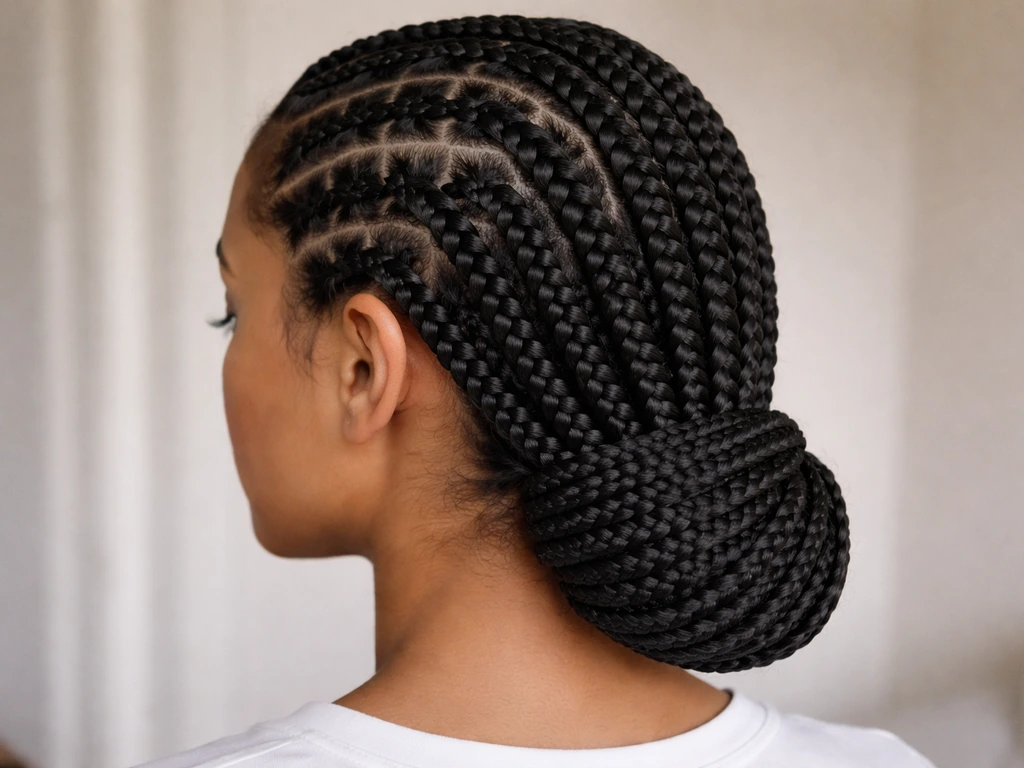
This is the workhorse of protective styling for a reason. Box braids keep ends tucked for weeks, allow decent scalp access for moisturizing, and can be done with or without extensions. Medium-sized braids tend to be gentler on the hairline than very small braids, which can create more tension per follicle. The key is size and tension: large braids (roughly pencil-width or wider) distribute weight more evenly and take less time to install. If you want to go smaller, make sure your braider has experience with fine or natural textures and is not over-sectioning at the root.
Two-strand twists
Two-strand twists, especially large chunky twists, are one of the gentlest options available. They require no heat, no extensions if you have enough length, and they come down easily without causing knots or tangles. They do not last as long as braids, typically two to four weeks before frizz becomes unmanageable, but the ease of installation and removal makes them a strong choice for people whose hair is on the thinner or more fragile side. Mini twists on longer natural hair can last closer to four to six weeks and offer the tuck-and-protect benefit similar to braids.
Locs (traditional and starter locs)
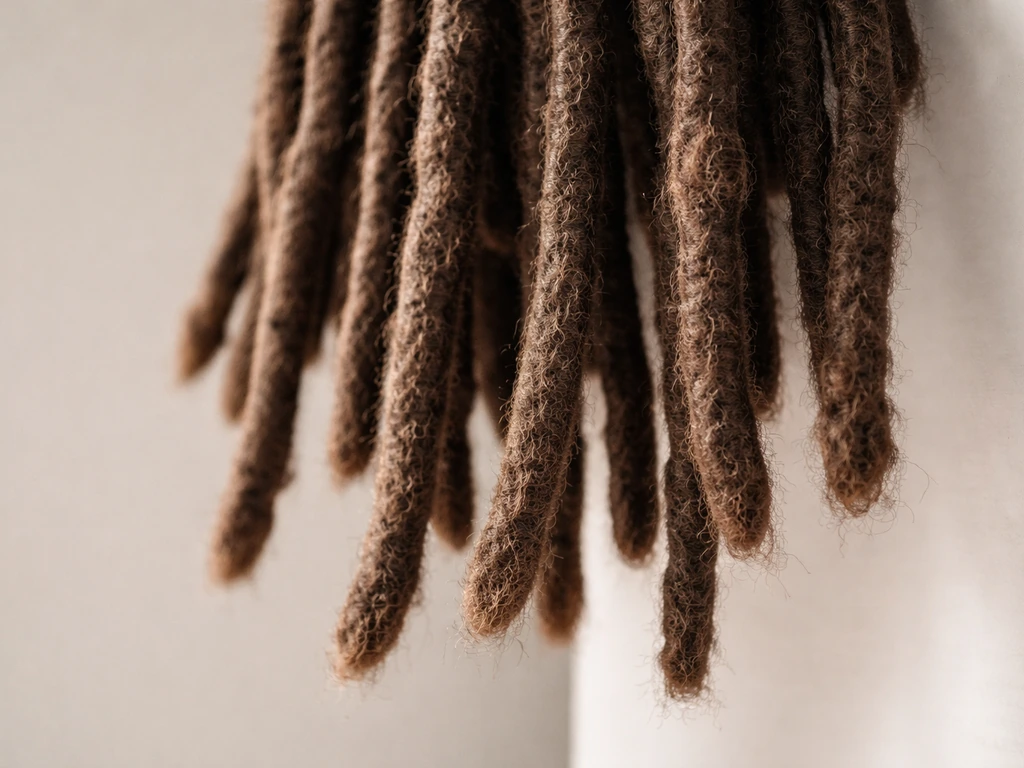
Mature locs are genuinely one of the most protective situations hair can be in. Once locs are fully formed, the hair is essentially locked away from friction and breakage at the ends. The growth retention many loc wearers experience is real and well-documented in the natural hair community. The trade-off is commitment: locs are a long-term style, and the starter phase (the first six to twelve months) can actually be fragile as the hair locks down. Sisterlocks and microlocs use very small sections and require professional installation to avoid excess tension at the scalp.
Cornrows
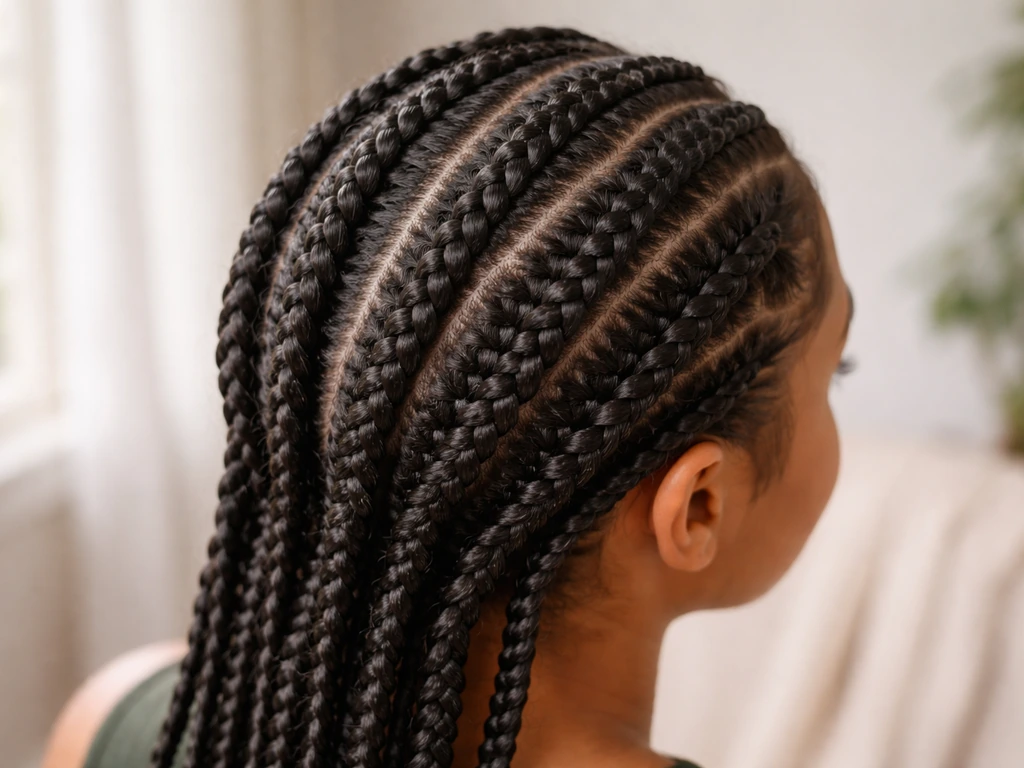
Cornrows are a classic and genuinely protective when done correctly, meaning flat, not too tight, and with sections that are not pulled at the scalp. If you are specifically trying to grow your hair while wearing cornrows, focus on gentle tension and consistent moisture so you retain more of the length you are already producing. The concern with cornrows is that they are one of the hairstyle categories most frequently associated with traction alopecia, particularly when installed very tightly or worn repeatedly without breaks. Traction alopecia is a form of hair loss caused by prolonged or repetitive tension on the hair due to tight braids, locks, and other hairstyles. If you love cornrows, go for them, but prioritize a braider who does not braid all the way to the hairline with high tension, and do not keep them in longer than six weeks.
Bantu knots
Bantu knots are more of a short-term low-manipulation option than a long-wear protective style. They keep ends coiled and tucked, work beautifully as a curl-setting technique, and are very gentle. Most people wear them for a few days to a week before taking them down for a twist-out or braid-out. They are worth including in your rotation, especially when you need a break between longer installs.
Updos and buns
A well-done updo, like a pineapple, a loose bun, or a flat-twist updo, can be a genuinely protective style when it is not pulling. The problem is that buns done with tight elastic bands or on hair that is not stretched enough cause breakage right at the point where the band sits. If you wear your hair up regularly, use a satin scrunchie or a soft cloth band and vary where you place it so you are not stressing the same spot repeatedly.
Weaves and sew-ins
A full sew-in with a leave-out or a no-leave-out install (with a closure or frontal) can be very protective because your natural hair is braided down and rarely touched. The risks are moisture neglect under the braided base and tension at the cornrow foundation. If your natural hair is dried out and matted when you take a sew-in down, you are not retaining length, you are causing damage. Weaves and sew-ins work best for people who are diligent about scalp washing and moisturizing through the install.
Picking the right style for your hair type and goals
Your hair's density, porosity, shrinkage, and current health all affect which style will actually serve you. Here is a practical breakdown to help you decide.
| Hair Profile | Best Match | Why It Works | What to Avoid |
|---|---|---|---|
| Fine or low-density natural hair | Large two-strand twists or loose updos | Low tension, easy removal, gentle on fragile strands | Micro braids, tight cornrows, heavy extensions |
| High-density, coarse or 4c hair | Box braids (medium), locs, chunky twists | Handles weight of extensions, retains moisture well in styles | Very small braids that add unnecessary tension per section |
| High-shrinkage hair (4a–4c) | Box braids or twists with extensions for length | Extensions prevent shrinkage from pulling on roots | Short-wear styles that do not keep ends tucked long enough |
| Low-porosity hair | Styles with good scalp access (braids, twists) | Easier to apply water-based moisture between washes | Weaves or sew-ins that block scalp access for weeks |
| High-porosity or dry, brittle hair | Twists or cornrows with a strong moisture routine | Less manipulation prevents further cuticle damage | Any style installed on hair that has not been deep conditioned first |
| Length retention goal | Box braids 4–8 weeks, then break | Long wear with ends tucked maximizes retention time | Re-doing too frequently, which creates breakage at the re-do point |
| Thickness/density appearance goal | Chunky twists or locs over time | Volume at the ends creates fuller look; locs add visual thickness | Flat, tight styles that compress hair to the scalp |
If you are trying to grow out your natural hair for braids or building enough length for a sew-in, the two-strand twist or large flat twist is your best friend right now. When you want to grow your hair for braids, focus on keeping your ends tucked and your routine consistent so breakage does not steal the length you are trying to build grow out your natural hair for braids. It keeps what you have protected while your hair catches up.
How long to keep a protective style in (and when to take it down)
The general rule is four to eight weeks for braided styles and extensions, and no longer than two to three months under any circumstances. Clinical dermatology guidance specifically flags braids worn beyond two to three months as a traction alopecia risk, partly because the new growth creates a leverage point between the installed style and the scalp that increases pulling over time. If you are learning how to grow a padawan braid, keeping your install within a safe timeframe helps prevent traction at the roots braids worn beyond two to three months. Keeping a style in longer does not mean more growth. It means more risk of matting, scalp buildup, and breakage at the demarcation line when you finally take it down.
Twists without extensions can be refreshed or re-done in sections without a full takedown, which gives them more flexibility. For styles with synthetic or human hair extensions (box braids, cornrows, sew-ins), plan your removal date before you install, not after you start procrastinating. For guys specifically, that same planning is key with box braids so you can keep tension low and focus on retaining length between installs. A six-week install taken down properly will beat a ten-week install taken down carelessly every single time.
Between installs, give your hair at least one to two weeks of rest. Wash it, deep condition it, and let your scalp breathe. Re-installing immediately on hair that has not recovered is one of the biggest causes of cumulative breakage in people who protective style consistently.
How to install, maintain, and wash protective styles properly
Installation basics
Start with freshly washed, deep conditioned, and fully detangled hair. Trying to braid or twist on dry, product-heavy, or tangled hair increases breakage during the install itself. If you are adding extensions, make sure the extension hair is prepped and that whoever is installing knows your hair type. The rule on tension is simple: if it hurts during installation, it is too tight. If you have a headache within the first 24 hours, the tension is too high. A painful style is not a tighter, longer-lasting style. It is a style causing damage at the follicle level, and repeated tight installs can cause traction alopecia, which can be permanent.
Keeping moisture in while in a protective style
Protective styles do not automatically mean your hair is moisturized. Your hair can still dry out inside braids or twists, and dry hair breaks, even when it is tucked away. Every two to three days, spritz your braids or twists with a water-based leave-in mist, then follow with a light oil (jojoba, grapeseed, or a sealant blend) to lock that moisture in. Focus on your scalp and the length of the braids, not just the roots. If you are in a sew-in or weave, use a nozzle applicator bottle to get product onto the scalp between tracks.
Washing without undoing your progress
Wash your scalp every one to two weeks while in a protective style. You can do this without fully unraveling the style by diluting a clarifying or gentle shampoo in a squeeze bottle and applying it directly to your scalp in sections. Massage the scalp, not the length of the braid. Rinse thoroughly, then follow with a light conditioner or co-wash on the length. The goal is a clean scalp without buildup and without creating frizz that makes you feel like you need to redo the entire style early. After washing, blot dry with a microfiber towel rather than rubbing, and allow to air dry fully before putting on a bonnet. A damp scalp left covered is a buildup and odor risk.
The mistakes that cause breakage even in protective styles
Protective styles fail when one or more of these things go wrong. Recognizing them early saves months of progress.
- Too much tension at installation: This is the number one cause of hairline thinning and traction alopecia in people who protective style regularly. If the style pulls, it is already causing damage.
- Wearing the style too long: New growth creates a lever arm between the braid and scalp. The longer you wait past eight weeks, the more that lever arm works against your follicles.
- Skipping moisture maintenance: Dry hair breaks at any length. Forgetting to moisturize inside the style defeats the whole purpose of wearing it.
- Product buildup on the scalp: Heavy butters and waxes applied directly to the scalp while in a style clog follicles and cause flaking. Use lightweight, water-soluble products on the scalp.
- Rough removal: Cutting braids too close to your natural hair, trying to detangle without slip, or rushing the takedown causes more breakage than the entire wear period. Detangle section by section with a generous amount of conditioner and a wide-tooth comb.
- Re-installing immediately without a rest period: Your hair and scalp need a recovery window between installs. Skipping it accumulates damage across every install.
- Sleeping without protection: Cotton pillowcases create friction even when your hair is in braids. A satin or silk bonnet or pillowcase is non-negotiable.
Products and routines that actually support growth
No product grows your hair faster. What products do is keep your hair in good enough condition to retain the growth your follicles are already producing. Here is what to focus on.
Before installing
- Clarifying shampoo: Removes buildup before a style goes in. Trying to protective style over product-heavy hair causes breakage during installation and speeds up scalp buildup mid-style.
- Protein-moisture balance treatment: If your hair feels elastic or mushy when wet, it needs protein. If it feels stiff and snaps easily, it needs moisture. Get your hair into balance before installation, not after.
- Deep conditioner with slip: A rich, penetrating conditioner applied before installation reduces breakage during detangling and gives your hair a fighting chance inside the style.
During the style (maintenance routine)

- Water-based leave-in spray: Look for something with water as the first ingredient. Aloe vera-based sprays also work well. Apply every two to three days to the length and scalp.
- Lightweight sealing oil: Jojoba, grapeseed, sweet almond, or argan oil. These seal moisture without sitting heavy on the scalp or causing buildup. Avoid thick butters directly on the scalp while in a style.
- Scalp oil or serum with tea tree or peppermint: Helps keep the scalp clean, reduces flaking, and supports circulation. Apply once or twice a week directly to the scalp.
- Diluted shampoo in a bottle: Makes scalp-only washing feasible without disrupting your style.
At takedown
- A generous detangling conditioner or detangling spray: Apply before you touch a comb to your hair after removal.
- Wide-tooth comb or fingers only for detangling: Work from ends to roots, section by section.
- Deep conditioning treatment immediately after removal: This is the most important wash day of your entire protective style cycle. Do not skip it.
Measuring your progress and troubleshooting when things stall
How to measure so you can actually see results
Take a length check photo every time you take down a protective style, before you wash or detangle. Photograph against a white wall or door in consistent lighting, stretched (not at natural length, which shrinks) to show true length. Mark a few anchor points: where your hair hits your chin, your shoulder, your collarbone. Do this consistently and you will see real progress over two or three style cycles even when it feels like nothing is changing. Many people see half an inch to an inch of visible retained length per style cycle when they are consistent.
When progress seems stalled
If you have been protective styling for several months and your length has not changed, the issue is usually one of three things: you are still breaking off as much as you are growing, your style installation is too tight (causing damage at the root), or you are not moisturizing consistently inside the style. Walk through each variable before assuming something is wrong with your growth.
Shedding vs. breakage: knowing the difference
Seeing hair come out when you take down a style is normal and expected. Hair sheds naturally at about 50 to 100 strands per day, and when your hair is in a style for four to six weeks, that shed hair accumulates and comes out all at once during takedown. This is not breakage. Breakage looks like short, inconsistent pieces without a white bulb at the root. If you are seeing lots of short pieces at takedown rather than long shed strands, the style, the tension, or the dryness is causing actual breakage that needs to be addressed.
Scalp irritation and buildup
If your scalp is itchy, flaky, or tender at the part lines before six weeks, wash sooner. Buildup and scalp inflammation are not things to push through. A clean, healthy scalp is not optional for hair growth, it is foundational. Persistent tenderness along part lines or at the hairline is a warning sign that the style is too tight or has been in too long.
Single-strand knots
If you are seeing a lot of tiny knots (fairy knots) at your ends when you take down twists or braids, your ends are too dry inside the style. Add a drop of oil to your moisturizing spray, and consider sealing your ends specifically before installation and every few weeks during the style.
Protective styling works. It is one of the most evidence-supported strategies for growing longer natural hair. But it works because of consistency and care, not because the style itself is magic. Pick the style that fits your hair type and your life, install it gently, maintain it honestly, and take it down on time. That formula, repeated over and over, is how real length retention happens.
FAQ
What is the best protective style to grow hair if my hair is fine or easily breaks?
Two-strand twists, especially large chunky twists, are often the safest place to start because they minimize tension and do not require a lot of added weight. Keep them sectioned with gentle root tension, and refresh or re-do in sections around the 2 to 4 week mark to prevent frizz and dryness from creeping in.
If I want maximum length retention, should I choose braids or twists?
Box braids (medium or larger) are usually more consistent for holding ends tucked for longer, but twists can be more forgiving if your scalp gets irritated easily or your hair is prone to tangling. A practical rule is, choose braids if you can reliably moisturize and wash on schedule, choose large flat twists or chunky twists if maintenance feels like it would slip.
How do I pick the braid size that helps hair grow instead of breaking?
Opt for medium-sized to larger sections so the install creates less tension per follicle and requires fewer manipulations. If you go smaller, make sure your stylist avoids over-sectioning at the root, because tiny sections often increase friction and pulling at the hairline.
What protective style is best for people with high shrinkage?
Twists without extensions, or braids that are installed with a low to medium tension, tend to work well because they keep ends tucked while your natural curl pattern returns gradually as you maintain moisture. For length tracking, stretch your hair when taking photos, so shrinkage does not mask real retention.
How long is too long to wear protective styles if I’m trying to avoid traction alopecia?
Plan on 4 to 8 weeks for most braided styles and extensions, and do not exceed about 2 to 3 months under any circumstance. If your style is still comfortable at 6 weeks, you can keep it for the remainder of your window, but treat itching or tenderness before that as a stop signal.
Is it okay to re-tighten or “pull them back” instead of removing a protective style?
Usually no. Re-tensioning, especially at the hairline or part lines, can convert a manageable style into a traction problem even if the hair still looks neat. If it feels like it’s tightening, it’s often better to remove or loosen early rather than trying to fix tension by pulling.
How often should I moisturize protective styles to actually retain length?
Aim for a light water-based leave-in mist every 2 to 3 days, then seal with a small amount of oil or sealant blend. Focus on the length within the braids and twists, not only the roots, because dry ends are a common cause of fairy knots and breakage.
What’s the best way to wash my scalp while my hair is in braids, twists, or a sew-in?
Wash your scalp every 1 to 2 weeks without fully unraveling the style. Use a diluted shampoo applied in sections to the scalp, massage the scalp only, rinse thoroughly, and blot dry with a microfiber towel to avoid leaving a damp covered scalp that can lead to buildup and odor.
Why does my hair seem to “fall out” when I take down braids or twists?
Some shedding during takedown is normal, because shed strands accumulate while hair is protected and then release all at once. Breakage is different, it looks like short pieces without the white bulb at the root. If you see mostly short broken bits, the issue is usually dryness, tension, or rough handling at takedown.
What should I do if my scalp starts itching, flaking, or feeling tender before my planned removal date?
Wash sooner and assess tension immediately. Itch and tenderness along part lines often indicate buildup, irritation, or the style being too tight. If symptoms persist after washing, remove the style and take a rest period instead of continuing through the original timeline.
How can I prevent knots at my ends when I wear twists or braids?
Keep ends properly conditioned before installation, add a small amount of oil to your moisturizing spray, and consider sealing the ends before starting and every few weeks during wear. Also avoid leaving the style too long past the point where your ends start to look dull or dry.
Should I wear a protective style if my hair is not fully detangled before installation?
No, detangle fully and start with freshly washed and deep-conditioned hair. Installing on dry, tangled, or product-heavy hair increases breakage during the install itself, and it’s harder to correct later without removing the style.
How can I tell if protective styling is working for me?
Take length check photos each time you take down a style, using consistent lighting and stretched hair so shrinkage does not hide changes. Mark anchor points like where hair hits your chin or shoulders, and evaluate after 2 to 3 style cycles rather than one install.
If my length hasn’t changed after months of protective styling, what are the most common causes?
The most frequent causes are breakage matching or exceeding growth, installs that are too tight at the root, or insufficient moisturizing inside the style. If you want to troubleshoot, review tension comfort during installation and your moisture routine before blaming your natural growth rate.
What should I do between protective installs to avoid cumulative damage?
Give your hair at least 1 to 2 weeks of rest. Wash, deep condition, and fully detangle before reinstalling, because going back in on hair that has not recovered can create ongoing breakage over time even if each style looks fine.
Next Article
How to Grow Out Your Hair With Box Braids: Retention Steps
Grow out hair with box braids safely: retention, scalp care, wash and moisturize routines, and detangling tips to preven