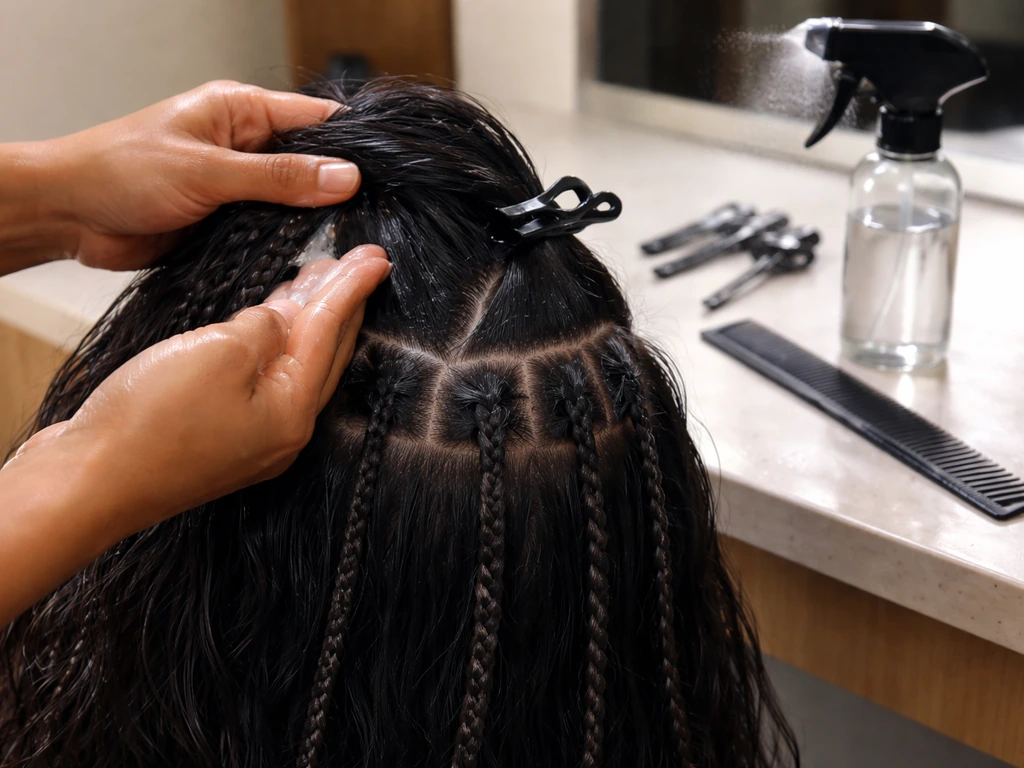
Growing braids as a guy means two things happening at once: your hair is growing underneath at roughly half an inch per month no matter what, and your job is to stop that new growth from breaking off before it ever reaches braid-ready length. Braids don't speed up growth, but they can do something almost as useful: they protect the hair you already have. Get that right, and you'll actually see the length accumulate instead of watching it disappear to breakage and friction every few weeks.
How to Grow Braids for Guys: Routine, Care, and Timeline

Simone Okonkwo
24 Jun 2026
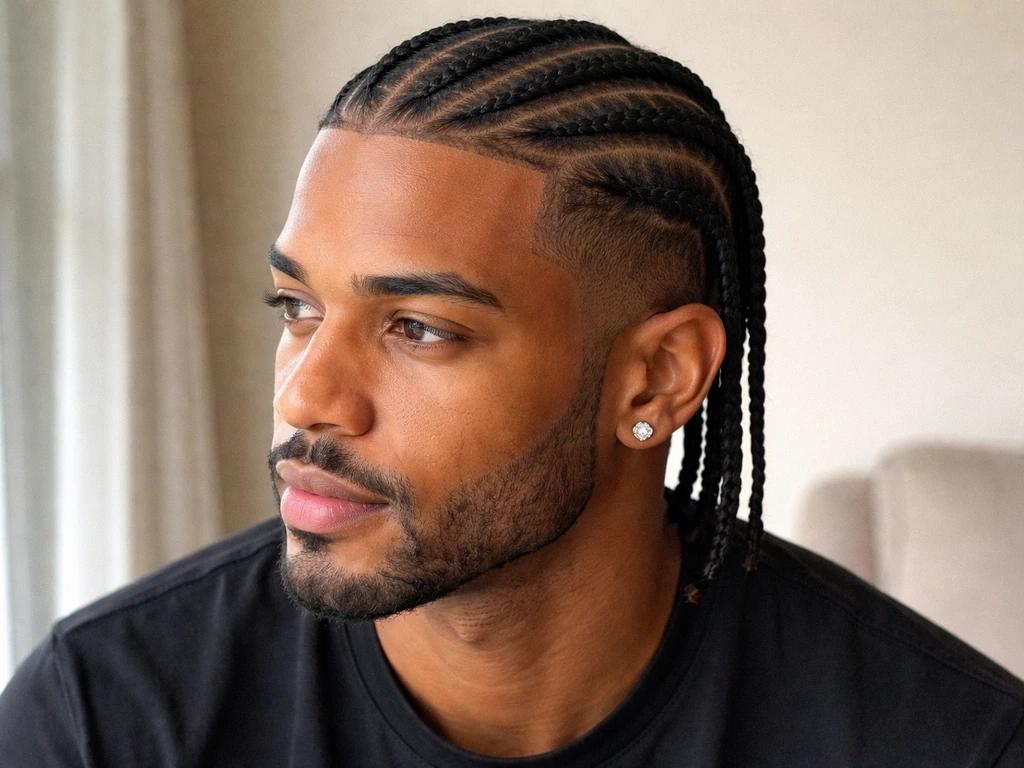
What 'growing braids' actually means
It's worth being straight about this upfront because a lot of guys search for how to make their braids grow and end up frustrated when nothing feels like it's working. Your scalp produces new hair at a biological rate, roughly half an inch (about 12–13 mm) per month. No oil, no style, no supplement changes that number in any dramatic way. What a good braid routine changes is how much of that growth you keep.
Hair that's constantly rubbing on pillowcases, being manipulated daily, or drying out and snapping at the ends doesn't retain length even though it's growing. That's the real enemy: breakage and poor retention, not slow growth. If you want the fastest, healthiest way of learning how to grow out your hair with box braids, focus on breakage prevention, scalp care, and avoiding high tension.
Protective styles like braids work by tucking the ends away, limiting daily manipulation, and shielding the shaft from environmental damage. If you want a “Jedi braid” look, the same retention-first basics apply, but you’ll want a braiding pattern and placement that keep tension low while you secure the braid safely at the ends Protective styles like braids work. When they're installed and maintained properly, you retain more of what grows. Over a 6-to-8-week braid cycle, that can mean keeping close to an inch of real, measurable new length. Do several cycles well, and you'll actually see the progression. That's the legitimate power of braids for hair growth, and it's worth understanding before you start.
Starter routine: getting your hair braid-ready
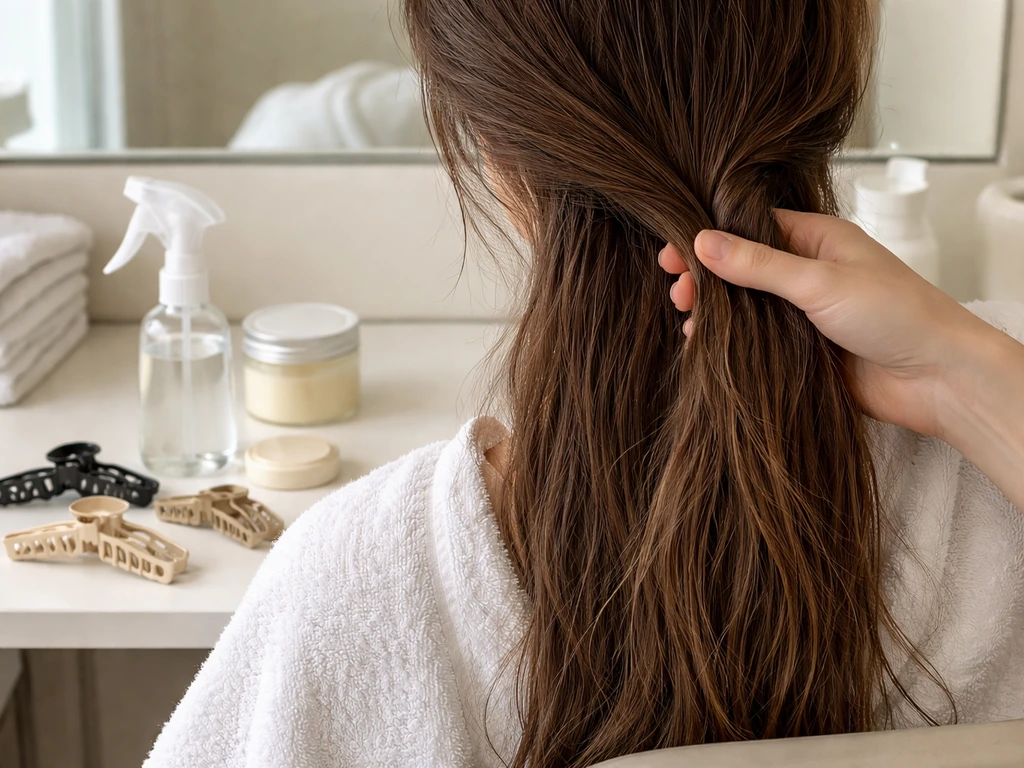
Before you can braid, you need enough hair to work with. If you’re aiming for a longer braided look, focus on retention and gentle grow-out so your natural hair can actually reach braid-ready length how to grow your hair for braids. The general rule is about 2 inches minimum to start simple braids, and closer to 3 to 4 inches for styles like cornrows or box braids where your natural hair needs to hold the extension or the braid itself. If you're currently at a short fade or low cut, budget roughly 4 to 8 months of solid retention-focused care to reach a workable length, depending on your starting point.
During this grow-out phase, the habits you build are exactly the same ones you'll use while the braids are in. Think of it as training for the style rather than just waiting. Here's what that looks like week to week.
- Wash your scalp every 1 to 2 weeks with a sulfate-free or gentle shampoo. Buildup is the enemy of a healthy scalp, and a healthy scalp is what produces strong hair.
- Deep condition after every wash. This is non-negotiable for textured and coily hair types, which naturally have a harder time distributing moisture from root to tip.
- Apply a leave-in conditioner while hair is still damp, then seal with a lightweight oil (more on this below). The moisture has to go in before the oil, not after dry hair.
- Detangle gently, working from ends to roots with your fingers first, then a wide-tooth comb. Aggressive detangling from the root is one of the fastest ways to cause breakage.
- Protect your hair at night with a satin or silk bonnet or pillowcase. Cotton pillowcases draw moisture out of textured hair and cause friction-related breakage overnight.
- Avoid heat styling as much as possible during the grow-out phase. Thermal damage weakens the shaft and makes retention much harder.
Scalp care and moisture while wearing braids
This is where most guys either get it right or fall completely off. Having braids in doesn't mean your scalp gets a vacation from care. It actually needs more intentional attention because you can't freely massage, shampoo, or assess it the same way.
Washing with braids in
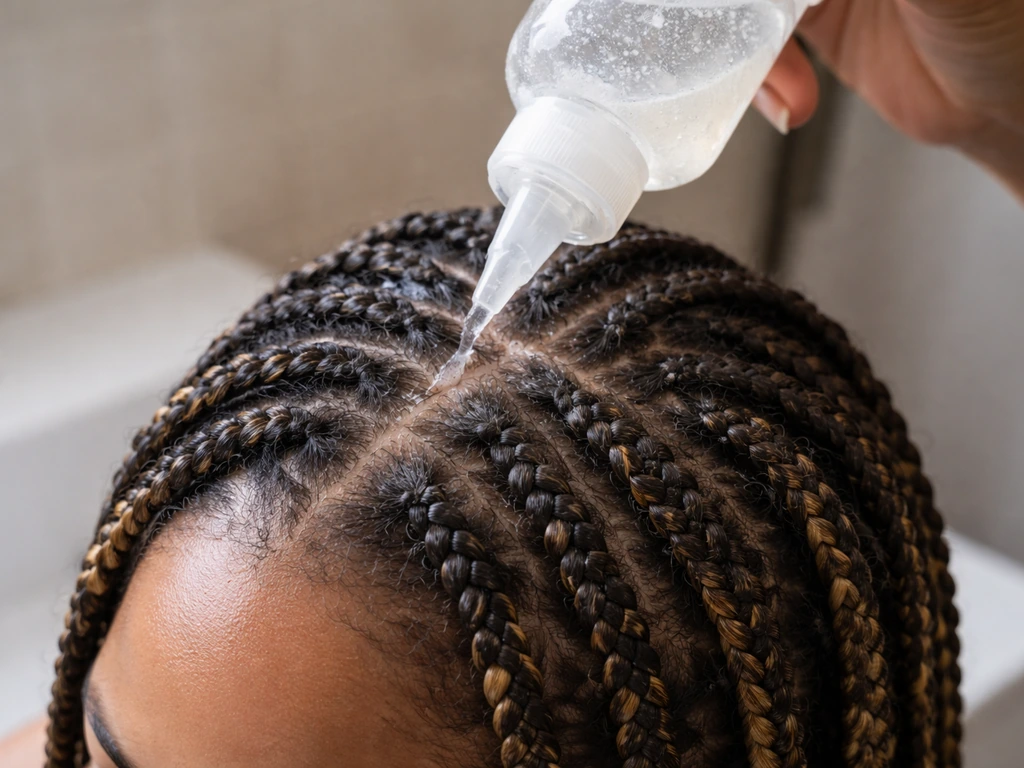
Wash your scalp every 1 to 2 weeks even with braids in. Dilute a sulfate-free shampoo with water in a spray bottle or applicator bottle, apply directly to the scalp between the braids, massage gently with your fingertips (not your nails), and rinse thoroughly. The goal is to clean the scalp without soaking the braids so heavily that they take forever to dry, which can cause mildew and scalp odor. Rinse with cool water and let your hair air dry fully before covering it.
If you're dealing with dandruff or seborrheic dermatitis, a 2% ketoconazole shampoo used twice a week for 2 to 4 weeks has solid clinical backing, with one study showing an excellent response in 88% of people with moderate to severe dandruff. Even with braids in, you can apply it to the scalp directly. If things don't improve, that's a dermatologist conversation, not something to push through on your own.
Keeping moisture in between washes
Between wash days, your scalp and the base of your braids still need moisture. A lightweight leave-in conditioner or a diluted water-and-leave-in mix in a spray bottle is the easiest tool. Spritz the scalp and the length of your braids 2 to 3 times a week, then follow with a light oil like jojoba, grapeseed, or sweet almond oil. The oil seals the water-based moisture in rather than replacing it. Applying oil to dry hair without any water-based product first is a common mistake that leaves hair feeling greasy but still dehydrated underneath.
Tension, timing, and the styles that actually protect your hair
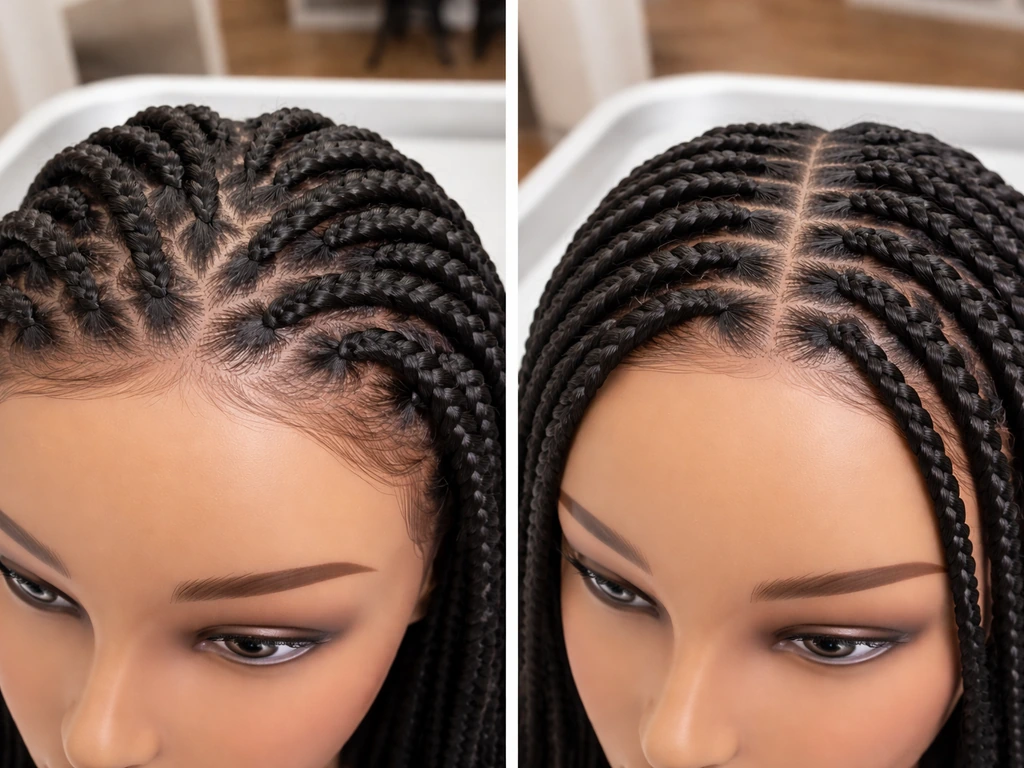
Not all braids are created equal when it comes to protecting your growth. The single biggest risk factor with braids is tension, and it's something you should speak up about in the chair. If a style hurts during installation, that's not a normal part of the process. That pain is your follicles under mechanical stress, and that stress, repeated or sustained, is how traction alopecia develops. Traction alopecia is a very real, and in advanced cases permanent, form of hair loss caused by blank" rel="noopener noreferrer">tight hairstyles pulling on the follicle. The edges and temples are the most vulnerable spots.
Knotless box braids are generally gentler on the scalp than traditional box braids because the braid starts with your natural hair rather than using a knot that pulls at the root. The tradeoff is that they take longer to install (sometimes 10 to 12 hours or more depending on the size and your hair's density), and your natural hair needs enough length to be braided down before extensions are added. If your hair is on the shorter or finer side, knotless styles may need a bit more length to work properly and stay secure.
As a beginner, lean toward medium-sized braids rather than very small or very heavy ones. Small braids mean more tension points across the scalp. Very large or very heavy braids can put stress on the root from sheer weight. Medium braids find a balance between longevity, scalp stress, and style flexibility.
How long to keep braids in
The maximum recommended wear time for braids is 6 weeks, which is the guidance from dermatologists and the British Association of Dermatologists. Most guys find the sweet spot is 4 to 6 weeks. Beyond that, the new growth at the root starts to tangle with the braid base, the style gets harder to maintain without pulling, and the risk of damage goes up. Healthline and other sources suggest that beginners especially should aim for 2 to 4 weeks initially while they're learning how their scalp responds.
Products and methods to support growth while braids are in
You don't need a 10-step shelf of products. You need a few things that actually do their job: a gentle cleanser, a water-based moisturizer or leave-in, a sealing oil, and optionally a scalp-specific treatment if you're dealing with dryness, itch, or buildup.
| Product Type | What It Does | When to Use | Examples |
|---|---|---|---|
| Sulfate-free shampoo (diluted) | Cleans scalp without stripping natural oils | Every 1 to 2 weeks | Shea Moisture Raw Shea Clarifying Shampoo, As I Am Curl Clarity |
| Leave-in conditioner (water-based) | Adds moisture to the hair shaft and scalp | After washing and 2 to 3x per week between washes | Kinky-Curly Knot Today, Mielle Organics Leave-In |
| Lightweight oil (sealing) | Locks moisture in, reduces evaporation | After every leave-in application | Jojoba, grapeseed, sweet almond, or argan oil |
| Scalp oil or serum | Soothes irritation, nourishes follicles | 2 to 3x per week on the scalp directly | Jamaican black castor oil (edges), peppermint oil (diluted) |
| Dandruff/seborrheic shampoo | Treats fungal-driven flaking and itch | 2x per week during active flare, then as needed | 2% ketoconazole shampoo (Nizoral) |
Avoid heavy butters or thick grease products applied directly to the scalp while braids are in. They sit on top, attract dirt, and contribute to the kind of buildup that causes scalp odor and blocks follicles. Lightweight is the word while braids are installed.
Common problems and how to fix them
Breakage at the hairline or edges
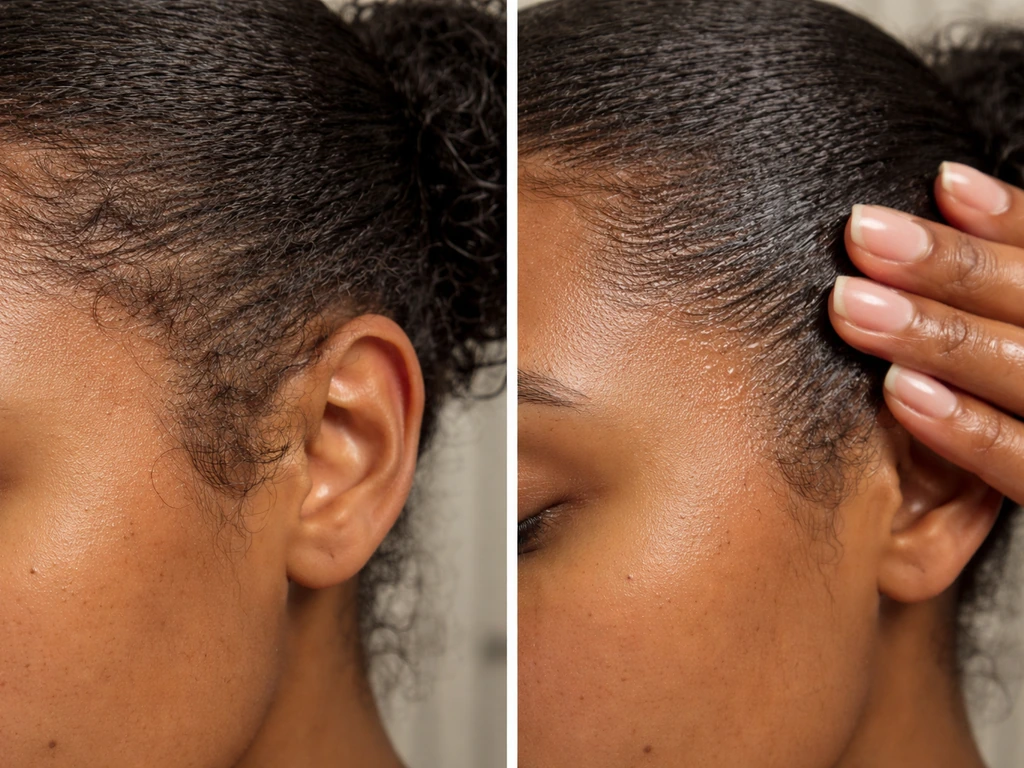
If you're seeing short, wispy hairs around your temples or nape after removing braids, that's tension damage, and it's the most common braid-related complaint. The fix starts at installation: tell your stylist explicitly that you want loose tension around the hairline. Apply a scalp oil to your edges every few days while braids are in. Baby hairs and edges are especially fragile, and they don't need to be braided down as tightly as the rest of your hair. If the damage is already done, take a full break from braids, keep the area moisturized, and avoid any tight styles or accessories around the perimeter while regrowth happens.
Itchy scalp
Itching while braids are in is extremely common, but it's not something you should just tolerate. It can signal a buildup of oil and product on the scalp, a reaction to the synthetic extension hair (which sometimes has an alkaline coating that irritates the scalp), insufficient cleansing, or in some cases early follicle stress from tension. Apple cider vinegar diluted in water can help neutralize the coating on synthetic extensions before installation. Keeping up with biweekly scalp washing usually addresses buildup-related itch. If the itch is intense, localized, or comes with redness or pimples, that's your signal to remove the braids and potentially see a dermatologist, because persistent itch can indicate bacterial overgrowth or follicle damage.
Dryness and slow-looking progress
Hair that feels dry despite regular oiling usually means oil is being applied without water-based moisture underneath. Start with a spritz of water or diluted leave-in, let it absorb for a minute, then apply oil. This sequence makes the difference. As for slow progress: remember the biology.
Half an inch per month means in a 6-week braid cycle you've grown roughly three-quarters of an inch. That's real growth, but it's not dramatic. Track it by measuring your natural hair length at take-down rather than guessing. Consistent cycles with good retention habits add up to several inches over 6 to 9 months.
With consistent cycles and the right retention habits, you can make braids actually help you build length over time, which is the goal behind how to grow a padawan braid.
Braids feeling loose or frizzy too quickly
This usually means either the hair wasn't long enough when the style was installed, the braids were too large or loosely installed to begin with, or new root growth is pushing the braid base outward faster than expected. Styles that come loose quickly on shorter natural hair are a sign you may need another month or two of grow-out before attempting a larger style. Cornrows tend to hold better on shorter lengths than individual box braids.
When to take braids out and how to track your progress
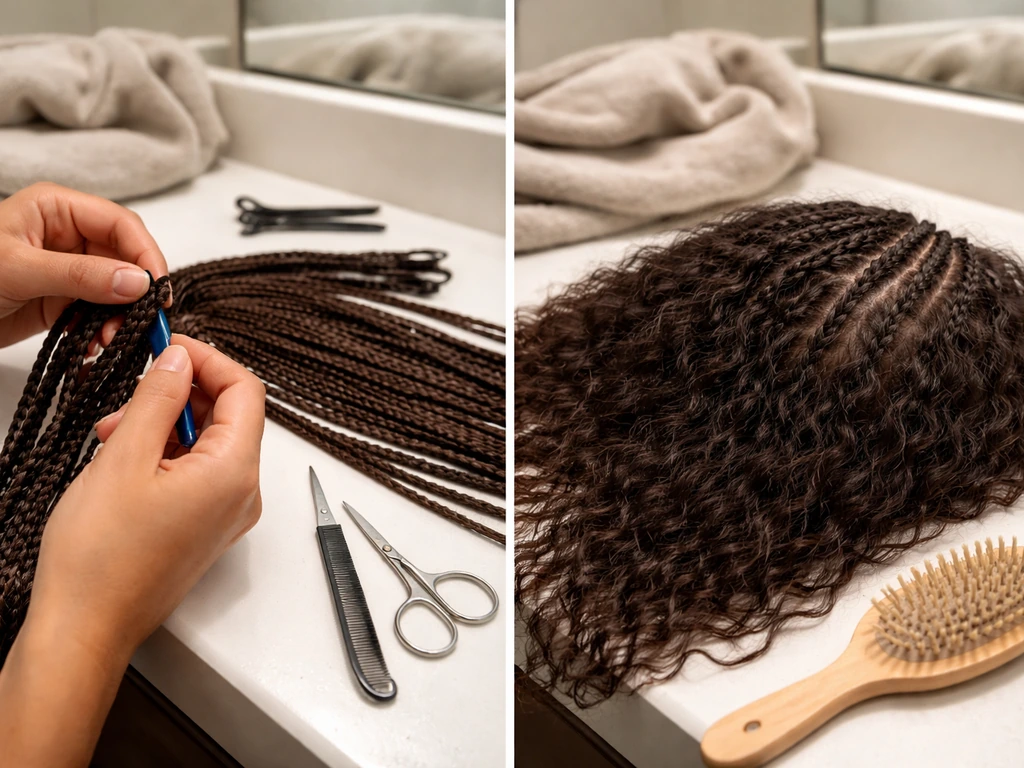
Plan your removal before 6 weeks are up, not as an afterthought. The removal process itself is a moment where breakage happens if you rush it. Work in sections, use a seam ripper or the pointed end of a rat-tail comb to gently separate the braid, and never pull or rip. Once the braids are out, detangle with your fingers before anything else, then apply a generous amount of conditioner or detangling product and work through the shed hair slowly. Most of what comes out at this point is normal shedding that was held in place by the braid, not active breakage.
After removal, give your scalp and hair a break before reinstalling. Even 1 to 2 weeks of free-hair time, with deep conditioning treatments and gentle handling, lets the follicles recover and your scalp breathe. Then measure. Literally take a ruler or tape measure to a specific section you marked at install time. Tracking your actual length at each cycle is the only way to know whether your retention habits are working, and it's genuinely motivating to see a half-inch to three-quarter-inch gain per cycle add up over time.
If you're exploring which braid styles are most effective for retention, or how cornrows specifically affect growth, those are worth diving into separately since the tension profiles and maintenance routines differ by style. If you want a quick shortlist, check the best braids to grow hair based on tension and retention. The principles here apply across the board, but the specifics of each style matter when you're choosing what to install next.
Your practical next steps checklist
- Measure your hair today and set a target length (2 inches minimum, 3 to 4 inches for box braids or cornrows).
- Start a biweekly wash routine with a sulfate-free shampoo and follow every wash with a deep conditioner.
- Switch to a satin pillowcase or bonnet tonight if you haven't already.
- Find a stylist who will talk to you about tension and won't dismiss concerns about pain during installation.
- Plan a 4-to-6-week braid cycle with a 1-to-2-week break before reinstalling.
- Moisturize with a water-based product first, seal with a lightweight oil 2 to 3 times per week while braids are in.
- At each take-down, measure your natural hair length and note it. That number is your progress report.
FAQ
Can I skip washing while I have braids in?
If your goal is to retain length, you should still cleanse your scalp about every 1 to 2 weeks and keep the braids themselves mostly dry. Focus shampoo only at the scalp, dilute if needed, and rinse thoroughly, then let everything dry fully before you cover your hair. If your braids stay damp for long periods, odor and mildew risk increases.
What’s the right order for moisturizing and oiling braids
Yes, but do it in a retention-friendly way. Use a spray bottle to apply water or a diluted leave-in to the scalp and braid roots first, then seal with a small amount of lightweight oil. Avoid oil-only routines, oil alone can make hair feel coated while the underlying hair stays dry.
Is it okay to use heavy oils or hair butter on my scalp with braids?
A light, scalp-focused oil is fine, but thick grease or heavy butters that sit on top can create buildup and make itch worse. If you notice flakes, dull scalp, or increased itch after products, switch to a lighter oil and reduce frequency, then reassess.
What does braid pain mean, and should I push through it?
Any pain beyond mild tightness is a stop sign. Tell your stylist immediately during installation if it hurts, especially at temples, hairline edges, or the nape. Pain usually means tension that can contribute to traction-related damage over time.
How can I keep my edges from getting pulled too tight
To reduce tension around the perimeter, ask for loose placement at the hairline and edges, and do not let extensions pull those areas down tightly. If you need extra security, secure the braid ends and use edge care to manage flyaways rather than increasing tightness at the root.
Will braids stop shedding, or is shedding normal at removal?
Not usually. Most natural hair in a braided cycle will still shed small amounts at the roots because braids hold shed hair in place, and you may see more at removal. The key difference is whether you see lots of short breakage and thinning spots, or just normal shed hairs concentrated at take-down.
How do I know if my braids are too tight or too loose for growth?
If your braids are too loose, you will often see frizz and gaps at the root, and the style may loosen quickly on shorter hair. If your braids are too tight, you will feel consistent pulling and may see wispy hairs at temples or nape. Both can affect retention, so aim for a secure fit without pressure.
My braids loosen quickly, what should I do before reinstalling?
If they start slipping or unraveling fast, you typically have a length or attachment problem, not just a maintenance issue. Give yourself more grow-out time before retrying a larger style, or choose a style that matches your current length profile, such as cornrows for shorter lengths.
When should I remove braids if my scalp issue doesn’t improve?
Ketoconazole works for many dandruff and seborrheic dermatitis cases, but you should not keep ignoring red flags. If itch is severe, localized, includes pimples or drainage, or does not improve after a short trial, remove the braids and get medical advice rather than extending the cycle.
How can I check for scalp damage while braids are in?
Yes. Braids can make it harder to notice early problems, so check your scalp every few days for redness, tenderness, bad odor, or sudden increase in itch. Pay extra attention to the hairline, part areas, and the nape, since those are common tension and buildup hotspots.
My scalp feels dry but my braids are oily, what should I change?
If your hair still feels dry even after oiling, you likely aren’t adding water-based moisture first. Use a light mist of water or diluted leave-in, let it absorb, then apply a small amount of oil to seal. If dryness persists, reduce product buildup and reassess how often you’re washing the scalp.
How should I measure progress so it reflects real growth?
Measuring works best when you track a consistent reference point. Mark a section when you install or after you remove, use the same method each cycle, and compare take-down length to your last baseline. This helps you separate true growth from shed or breakage.
Is there a hard deadline for keeping braids in?
Don’t plan to “do it later.” Schedule your take-down so it happens around 4 to 6 weeks for beginners, and never exceed 6 weeks if you want to minimize tangling and root stress. If you must extend, tighten your maintenance schedule and monitor for increased tangling at the braid base.
Do synthetic extensions change how I should care for braids?
The main driver of retention with synthetic braids is minimizing scalp irritation and buildup. If your extensions have an alkaline coating, dilution and neutralizing steps before installation can help, but you still must cleanse the scalp regularly and stop the cycle if irritation becomes intense or persistent.
How long should I wait after removing braids before getting another set?
After removal, focus on gentle detangling and a thorough conditioner-based cleanse, then consider a short rest period before reinstalling. Even 1 to 2 weeks of free-hair time can help if you previously experienced tenderness, shedding spikes, or edge thinning.
Next Article
How to Grow Your Hair for Braids: Length, Growth, Care Plan
Step-by-step plan to grow hair longer for braids: prep, protect from breakage, moisturize while in braids, and avoid tra